TB-500 vs Teriparatide
How TB-500 and Teriparatide compare — what each is, how strong the human evidence is for each, doses reported in research, the key risks, and 2026 US legal status. No universal winner.
TB-500 and Teriparatide come up together when people are weighing similar options. Here's the honest side-by-side: what each is, how strong the human evidence is for each, the doses reported in research, the risks, and where each stands with the FDA as of 2026. There's no universal winner — scroll to the by-goal picks for which one fits which goal.
TB-500 vs Teriparatide, point by point
Every dimension side by side — the honest differences, not a scoreboard.
| Dimension | TB-500 | Teriparatide |
|---|---|---|
| What it is | Synthetic 7-amino-acid peptide — the actin-binding fragment (residues 17–23) of thymosin beta-4 | Recombinant parathyroid hormone analog (the first 34 amino acids of human PTH) |
| Class / category | Healing / recovery | Healing / recovery |
| Evidence tier | Animal-only · Unclear · none in humans | Human RCT · Helped |
| Studied / approved for | Muscle and soft-tissue healing; Tendon and ligament repair; Wound healing | Postmenopausal osteoporosis in patients at high risk for fracture or unable to use other available osteoporosis therapy; Increasing bone mass in men with primary or hypogonadal osteoporosis at high risk for fracture or unable to use other available osteoporosis therapy; Osteoporosis associated with sustained systemic glucocorticoid therapy in patients at high risk for fracture or unable to use other available osteoporosis therapy |
| US regulatory status (2026) | research use only (as of Jul 2026) | fda approved (as of Jul 2026) — approved for High-risk postmenopausal osteoporosis, Increasing bone mass in high-risk men with primary or hypogonadal osteoporosis, High-risk glucocorticoid-associated osteoporosis |
| Doses reported in research | No established study doses | No established study doses |
| Registered trials (ClinicalTrials.gov) | 1 | No data |
| Banned in sport (WADA) | Yes — on the WADA prohibited list | Unknown |
| Key risks | Human safety data for TB-500 are essentially absent. What exists comes from animal work and from anti-doping analytical studies that detect it rather than test its safety. There is no long-term human safety data, and the research- chemical products people actually buy are unregulated for purity and sterility. | Teriparatide has substantial human safety data from osteoporosis trials and postmarketing use. Common adverse reactions include joint pain, other pain, and nausea. Important risks include transient high calcium, dizziness or orthostatic hypotension after early doses, kidney-stone concerns, and a rat osteosarcoma signal that has not translated into an increased risk in human observational studies; human data beyond two years remain limited. |
- Evidence tier: A tier reflects how human the evidence is, not a promise the compound works.
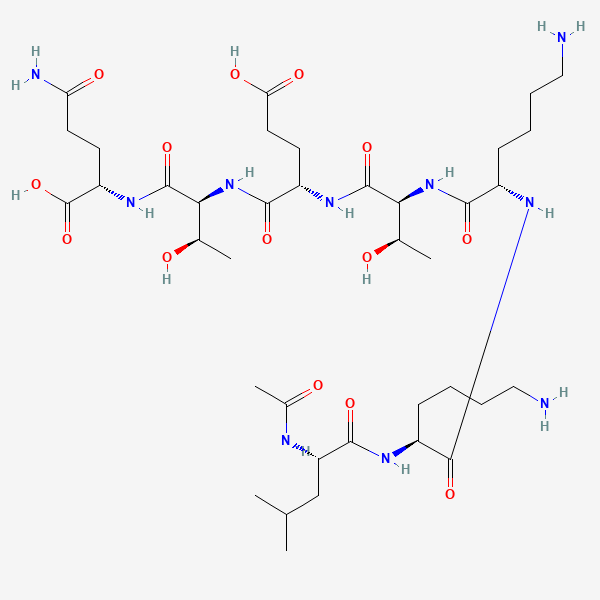
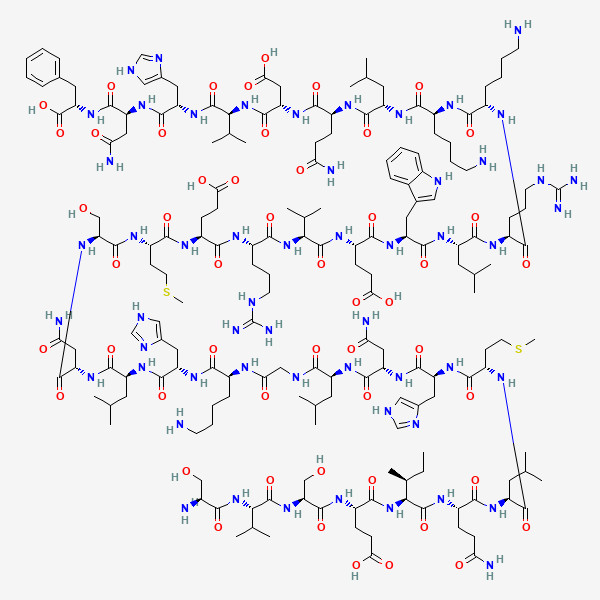
TB-500 vs Teriparatide: the two molecules
The 2D chemical structures, straight from PubChem — a quick way to see how similar (or not) the two actually are.
Which one fits which goal?
There's no universal winner here — the honest answer depends on what you're after. These picks are framed by goal, and each says why.
If you want the option with more human evidence behind it
Leans toward Teriparatide
Teriparatide's evidence sits at human rct, a more human tier than TB-500's animal-only. That reflects how the data was gathered, not a guarantee it works.
If you want an FDA-approved, prescribable option
Leans toward Teriparatide
Teriparatide is FDA-approved (as of Jul 2026); TB-500 is research use only in the US, so it isn't available as an approved prescription.
References
- 1.TB-500 — indexed research (PubMed, National Library of Medicine)
- 2.TB-500 (thymosin beta-4 17–23 fragment) cardiovascular-biomarker trial — NCT07487363 (ClinicalTrials.gov)
- 3.Rahaman et al. (2024) — TB-500 metabolites and in-vitro wound-healing activity
- 4.Mayfield et al. (2026) — injectable peptide therapy: a primer for orthopaedic and sports-medicine physicians
- 5.Judák et al. (2017) — TB-500 among doping-relevant peptides in anti-doping analysis
- 6.FDA — drug approval and compounding information