Thymopentin vs Thymosin Alpha-1
How Thymopentin and Thymosin Alpha-1 compare — what each is, how strong the human evidence is for each, doses reported in research, the key risks, and 2026 US legal status. No universal winner.
Thymopentin and Thymosin Alpha-1 come up together when people are weighing similar options. Here's the honest side-by-side: what each is, how strong the human evidence is for each, the doses reported in research, the risks, and where each stands with the FDA as of 2026. There's no universal winner — scroll to the by-goal picks for which one fits which goal.
Thymopentin vs Thymosin Alpha-1, point by point
Every dimension side by side — the honest differences, not a scoreboard.
| Dimension | Thymopentin | Thymosin Alpha-1 |
|---|---|---|
| What it is | Synthetic immunomodulatory pentapeptide corresponding to residues 32-36 of thymopoietin | Synthetic 28-amino-acid thymic peptide (thymalfasin) — an immunomodulator identical to a natural, acetylated fragment of prothymosin alpha made by the thymus gland |
| Class / category | Immune / antimicrobial | Longevity / mitochondrial |
| Evidence tier | Human RCT · Mixed | Human RCT · Mixed |
| Studied / approved for | Atopic dermatitis; Rheumatoid arthritis; Adjunctive treatment in HIV infection; Sarcoidosis | Chronic hepatitis B & C (immune-assisted antiviral); Immune restoration in older & immunocompromised adults; Sepsis & severe infection; Cancer immunotherapy support |
| US regulatory status (2026) | investigational (as of Jul 2026) | research use only (as of Jul 2026) |
| Doses reported in research | No established study doses | No established study doses |
| Registered trials (ClinicalTrials.gov) | No data | 66 |
| Banned in sport (WADA) | Unknown | No |
| Key risks | Older controlled trials did not report a clear excess of serious adverse events, but they do not provide a modern, long-term safety record for thymopentin use. Its immune effects make unsupervised use especially uncertain in autoimmune disease, immune suppression, pregnancy, and alongside immune-active medicines. | Thymosin alpha-1 has one of the better human safety records among research peptides — it has been given to tens of thousands of patients in registered trials and is a licensed medicine abroad, with mild injection-site reactions the most common complaint. The main caveat is conceptual: it modulates the immune system, so active autoimmune disease and deliberate immunosuppression (such as after an organ transplant) warrant real caution. |
- Evidence tier: A tier reflects how human the evidence is, not a promise the compound works.
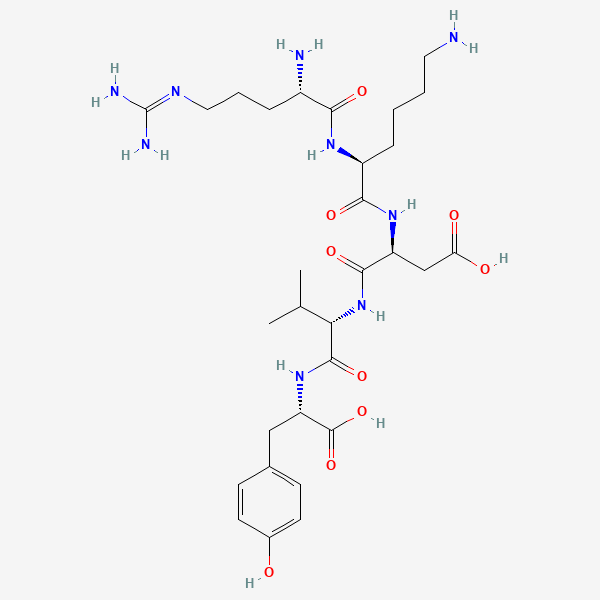
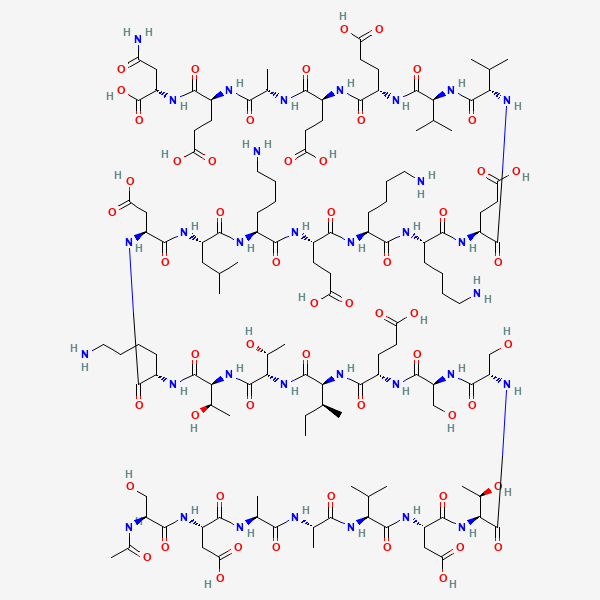
Thymopentin vs Thymosin Alpha-1: the two molecules
The 2D chemical structures, straight from PubChem — a quick way to see how similar (or not) the two actually are.
Which one fits which goal?
There's no universal winner here — the honest answer depends on what you're after. These picks are framed by goal, and each says why.
Which one fits your goal
These two overlap enough that the honest call comes down to your specific goal and how much human evidence you want before trying something. Compare the differences in the table above — there's no universal winner here.
References
- 1.PubChem Compound Summary for CID 451417, Thymopentin
- 2.Leung et al., 1990 — thymopentin in atopic dermatitis (PMID 2185294)
- 3.Veys et al., 1984 — thymopentin in rheumatoid arthritis (PMID 6384507)
- 4.Goldstein et al., 1995 — thymopentin with zidovudine in HIV (PMID 7859140)
- 5.Tischio et al., 1979 — TP-5 breakdown in human plasma (PMID 395119)
- 6.FDA orphan-drug record for thymopentin in sarcoidosis