Thymosin Alpha-1 vs Thymosin Beta-4
Thymosin Alpha-1 vs Thymosin Beta-4: immune evidence, repair claims, human trials, FDA status, and honest by-goal picks without one winner.
Thymosin Alpha-1 vs Thymosin Beta-4 is an immune-versus-repair comparison, not a contest between near-identical peptides: the 28-amino-acid Tα1 has substantial human clinical evidence, while the 43-amino-acid Tβ4 remains animal-only for injected muscle-and-tendon recovery. No trial has compared them directly; this page weighs their separate evidence.
Are thymosins the same?
Thymosins are not all the same. Thymosin alpha-1 and thymosin beta-4 received neighboring names because researchers isolated both from thymosin fraction 5, a mixture prepared from calf thymus. That shared surname is a filing label from discovery history, not evidence that the molecules are close substitutes.
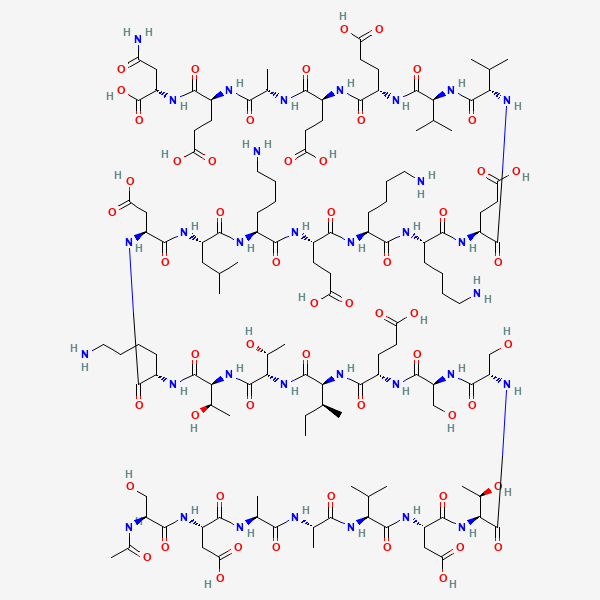
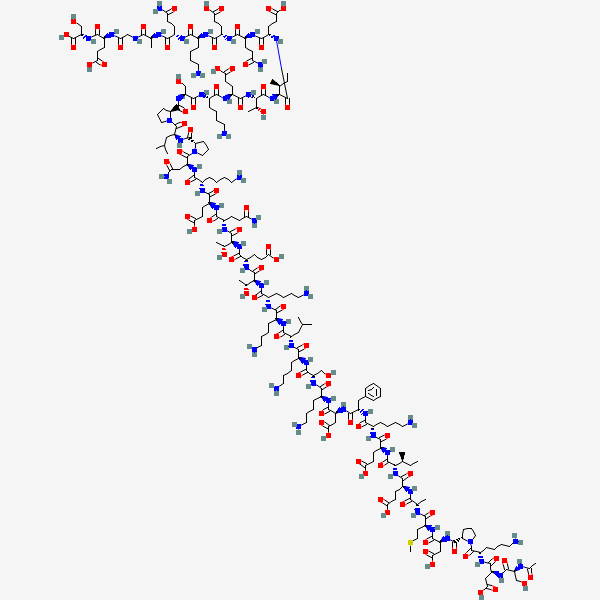
Tα1 is a 28-amino-acid immune peptide. Tβ4 is a chemically distinct 43-amino-acid peptide whose main binding partner is actin, the protein cells use to build and rearrange their internal scaffold. One helps coordinate immune cells; the other manages cellular construction material. Calling them a family can obscure more than it explains (comprehensive review).
That distinction also answers are thymosins the same in practical terms: no. A vial labeled Zadaxin is not a repair peptide, and a vial labeled Tβ4 is not thymalfasin with four extra letters.
Which thymosin has stronger human evidence?
Thymosin alpha-1 has the stronger and broader human evidence base. Thymalfasin, marketed as Zadaxin, has approval in more than 35 countries and has been studied in randomized trials for chronic hepatitis B, chronic hepatitis C, sepsis, vaccine response, and other immune settings. The results are mixed by condition, but this is real clinical evidence rather than a mechanism extrapolated from rodents.
Thymosin beta-4 needs a narrower answer. Full-length Tβ4 has human safety studies and randomized eye-drop trials, so “zero human research” would be wrong. The evidence collapses, however, when the question changes to injected tendon, muscle, joint, or whole-body recovery. No human efficacy trial has tested that popular use. For that headline claim, the honest tier is animal-only, outcome unknown.
This is why the shared comparison badge uses the weaker tier. A single “human RCT” label would make Tβ4’s recovery claim look proven by an unrelated dry-eye trial. Vendors often flatten that distinction because a neat product category sells better than an awkward evidence table. This reference sells nothing; the awkward table stays.
What did the thymosin alpha-1 sepsis trials find?
Thymosin alpha-1 produced an early positive sepsis signal, but the best modern trial did not confirm a mortality benefit. A 2016 systematic review pooled 19 randomized trials involving 1,354 adults and reported lower 28-day mortality, while rating the evidence low quality because the studies were small, poorly designed, and all conducted in China (systematic review).
The Phase 3 TESTS trial then randomized 1,106 adults with sepsis across 22 centers. In the corrected analysis, 28-day mortality was 23.4% with Tα1 and 24.1% with placebo; the difference was not statistically significant, and no secondary or safety outcome differed significantly (TESTS trial).
That does not erase the hepatitis trials or Tα1’s immune biology. It does change the honest summary of ta1 vs tb4: Tα1 has much more human evidence, but “more evidence” is not the same as “wins every trial.”
Does thymosin beta-4 have any human efficacy data?
Thymosin beta-4 has condition-specific human efficacy research, chiefly in the eye, but essentially no human efficacy evidence for the injected repair use promoted online. ARISE-3 enrolled 700 adults in a randomized, masked Phase 3 study of RGN-259, a full-length Tβ4 eye drop, against placebo for dry-eye signs and symptoms (ClinicalTrials.gov). That is human RCT territory for one topical formulation and one condition.
ARISE-3 cannot be carried across the body and relabeled as proof that injected Tβ4 heals a sore Achilles. Route, tissue, formulation, and outcome all changed. The current thymosin beta-4 profile therefore records the eye program while grading musculoskeletal recovery animal-only.
The search phrase thymosin alpha 1 vs tb-500 adds another identity problem. TB-500 commonly refers to a shorter Tβ4 fragment or related synthetic product, not automatically the full 43-amino-acid molecule used in RGN-259. Evidence for the full peptide should not be pasted onto whatever a vendor puts behind a TB-500 label.
What is the US regulatory status in 2026?
Neither peptide has an FDA-approved use in the United States as of July 2026. Tα1’s foreign status does not transfer across borders: Zadaxin can be an approved medicine elsewhere while thymalfasin remains unapproved here. Tβ4’s completed and ongoing clinical programs likewise make it investigational, not approved.
Compounding does not turn an unapproved ingredient into an FDA-approved drug. FDA’s current safety-risk page flags thymosin-alpha 1 and the LKKTETQ Tβ4 fragment called TB-500 for potential immunogenicity, peptide-related impurities, and gaps in route-specific safety information (FDA). The agency distinguishes that fragment from full-length Tβ4; this page does too.
The phrase zadaxin vs thymosin beta 4 therefore compares an overseas brand of Tα1 with an investigational repair peptide, not two US-approved prescriptions. The immune peptides hub provides the wider context for Tα1’s category.
Which one fits which research goal?
Thymosin alpha-1 fits immune-modulation questions; thymosin beta-4 fits actin, cell-migration, and tissue-repair questions. Neither is the universal winner because the goals barely overlap. For the person prioritizing human clinical depth, Tα1 is the clearer pick. For a laboratory studying actin-driven repair, full-length Tβ4 is the relevant molecule, with the human recovery gap stated in the same breath.
The by-goal cards below keep two guardrails visible. First, no direct head-to-head trial exists, so separate studies cannot establish comparative superiority. Second, evidence follows the exact outcome: Tβ4’s topical eye trial does not validate injectable tendon recovery, and Tα1’s overseas approvals do not make it FDA-approved. Shared surname, unrelated jobs; choose the research question before choosing the peptide.
Thymosin Alpha-1 vs Thymosin Beta-4, point by point
Every dimension side by side — the honest differences, not a scoreboard.
| Dimension | Thymosin Alpha-1 | Thymosin Beta-4 |
|---|---|---|
| What the shared name means | A 28-amino-acid peptide first separated from thymosin fraction 5; the drug form is thymalfasin. | A chemically distinct 43-amino-acid peptide also separated from thymosin fraction 5. |
| Primary biological job | Immune modulation: T-cell maturation plus dendritic-cell and natural-killer-cell activity. | Actin binding: manages the cell scaffold used for cell movement and tissue repair. |
| Evidence for the headline use | Human RCT evidence, with mixed results across hepatitis, sepsis, and other immune settings. | Animal-only and unknown for injected muscle, tendon, and systemic recovery; no human efficacy trial has tested that use. |
| Human-trial reality | Decades of human studies, including hepatitis trials and the 1,106-participant Phase 3 TESTS sepsis trial. | Human safety testing and randomized topical-eye trials exist, but they do not validate injected musculoskeletal recovery. |
| Names that vendors flatten | Thymalfasin is marketed abroad as Zadaxin; TA1 and Tα1 are abbreviations. | Full-length Tβ4 is not automatically TB-500; TB-500 commonly refers to a shorter fragment or related synthetic product. |
| US regulatory status (July 2026) | Not FDA-approved, despite foreign marketing approval in more than 35 countries. | Not FDA-approved; RGN-259 remains investigational, and injected recovery products sit outside the approved-drug system. |
| Direct head-to-head evidence | No clinical trial has compared thymosin alpha-1 directly with thymosin beta-4. | No clinical trial has compared thymosin beta-4 directly with thymosin alpha-1. |
- What the shared name means: The shared surname records where researchers found them, not a shared job or interchangeable drug class.
- Evidence for the headline use: The page badge uses animal-only because the schema displays one shared tier and must reflect the weaker headline-use evidence.
- US regulatory status (July 2026): FDA also flags compounding concerns for thymosin-alpha 1 and the TB-500 fragment, including immunogenicity and peptide-impurity risks.
- Direct head-to-head evidence: This comparison weighs separate evidence bases; it does not manufacture a winner from unrelated trials.
Thymosin Alpha-1 vs Thymosin Beta-4: the two molecules
The 2D chemical structures, straight from PubChem — a quick way to see how similar (or not) the two actually are.
Which one fits which goal?
There's no universal winner here — the honest answer depends on what you're after. These picks are framed by goal, and each says why.
Immune modulation with the deeper human evidence base
Leans toward Thymosin Alpha-1
Tα1 has human randomized trials and overseas medical use; Tβ4's main biology is actin-driven repair, not T-cell maturation.
Studying the actin-based tissue-repair hypothesis
Leans toward Thymosin Beta-4
Tβ4 is the relevant molecule for cell migration and repair biology, while the popular muscle-and-tendon claim remains animal-only.
Choosing the option with a large modern sepsis RCT
Leans toward Thymosin Alpha-1
TESTS directly studied Tα1 in 1,106 adults, although it found no clear reduction in 28-day mortality.
Studying topical dry-eye treatment in a completed Phase 3 program
Leans toward Thymosin Beta-4
RGN-259 is full-length Tβ4 formulated as an eye drop and has completed randomized Phase 3 testing; that evidence is route- and condition-specific.
References
- 1.Thymosin alpha 1: a comprehensive review of the literature (PMC)
- 2.Thymosin alpha-1 for sepsis: 2016 systematic review of randomized trials (PMC5025565)
- 3.TESTS Phase 3 trial of thymosin alpha-1 for sepsis (PMC)
- 4.ARISE-3 Phase 3 trial of RGN-259 thymosin beta-4 eye drops (ClinicalTrials.gov)
- 5.FDA: bulk substances for compounding that may present significant safety risks