Community report · What Reddit says
KPV Reddit: kpv peptide benefits vs the evidence
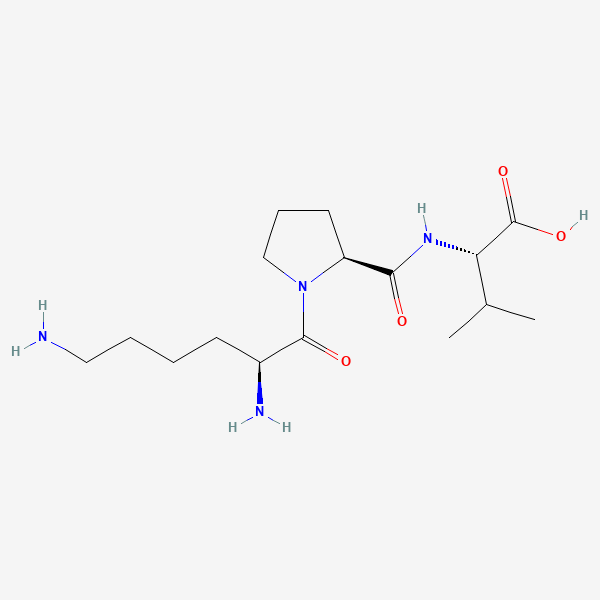
The kpv peptide benefits discussed on Reddit center on calmer gut inflammation, fewer skin flare-ups, and broader anti-inflammatory effects. KPV has encouraging cell and mouse evidence, especially in colitis models, but no controlled human trial. Community reports are useful for mapping questions, not for proving that KPV works or establishing a dose.
What does KPV peptide do according to Reddit?
KPV is discussed as a small anti-inflammatory peptide for people researching irritated guts, inflammatory bowel disease (IBD)-type symptoms, and stubborn skin problems. General conversation on r/Peptides also covers oral, injected, and topical products. Those route discussions show how people experiment; they do not establish which route delivers an effective amount in humans.
KPV is the three-amino-acid tail of alpha-melanocyte-stimulating hormone, usually shortened to alpha-MSH. The proposed appeal is tidy: retain anti-inflammatory signaling without the pigment and appetite effects associated with the full hormone. Cell research links KPV with reduced NF-κB activity, a signaling system that helps switch inflammatory responses on (indexed KPV research). The evidence-graded KPV profile covers the compound itself; this page maps the community conversation.
Which kpv peptide benefits dominate the discussion?
The kpv peptide benefits most often attached to community discussion are gut comfort, calmer inflammatory symptoms, and fewer skin flare-ups. These are anecdotal themes, not measured outcomes. A person may report feeling better without knowing whether KPV, another treatment, diet, time, or expectation made the difference. Forums are excellent at collecting stories and poor at producing denominators.
Gut claims have more preclinical support than the other benefit claims. Mouse colitis models found reduced intestinal inflammation, including research involving oral nanoparticle delivery (indexed KPV colitis research). Skin claims rest mainly on cultured skin and immune cells rather than human treatment trials. The correct evidence labels are therefore animal-only with no human data for gut inflammation and in-vitro with no human data for skin inflammation.
Does KPV have evidence for IBD or gut inflammation?
KPV has a plausible and encouraging preclinical case for gut inflammation, but no published controlled human trial shows that KPV treats Crohn’s disease, ulcerative colitis, or another form of IBD. Mouse models can test whether an inflammatory pathway responds. They cannot tell readers how a peptide performs alongside the complexity, medications, and risks of human bowel disease.
This is where Reddit can compress two very different statements into one. “KPV reduced inflammation in a mouse colitis model” describes preclinical evidence. “KPV benefits people with IBD” requires human evidence that has not arrived. A ClinicalTrials.gov search for KPV is the honest checkpoint, and our guide to reading peptide evidence explains why the species and study design change the claim.
What is known about kpv peptide dosage?
No clinically established kpv peptide dosage exists because KPV has not been tested in a controlled human dosing trial. Reddit discussions may compare oral, topical, and subcutaneous approaches, but community amounts are not validated doses and cannot establish absorption, effectiveness, or safety. Copying a number from a post would add confidence that the evidence has not earned.
The delivery question is especially unsettled. An animal formulation designed to reach inflamed intestinal tissue does not validate a consumer capsule, and a topical anecdote does not establish skin penetration. KPV dosing is therefore a map of community experimentation, not a research-backed human protocol. That distinction matters more than another decimal place.
Are KPV side-effect and sourcing reports reliable?
KPV side-effect reports can flag experiences worth investigating, but they cannot measure frequency or prove causation. Human safety data are essentially absent, and no long-term human study defines common adverse effects. A small fragment of a natural hormone may sound reassuring; “natural fragment” is a description, not a completed safety program.
Research-market products add a second uncertainty. A report about a labeled KPV vial cannot confirm identity, concentration, purity, sterility, or endotoxin control. The phrase “research use only” does not mean FDA-reviewed for human use; what research use only means explains that boundary. Reddit can describe an experience with a label. It cannot authenticate what was inside.
Where is Reddit right — and where is it off?
Reddit is right that KPV deserves attention as an anti-inflammatory research lead, particularly for gut inflammation. The community’s focus follows the laboratory record: mouse colitis work supports the gut hypothesis, while cell studies support anti-inflammatory signaling and possible skin relevance. KPV also differs from BPC-157, which is discussed more as a structural-repair peptide than a narrowly anti-inflammatory signal.
Reddit is off when a recurring story becomes proof, a mouse result becomes an IBD treatment claim, or a community schedule becomes an established dose. KPV’s current headline grade remains animal-only, helped, none in humans. Skin and general signaling claims remain in-vitro, helped, none in humans. How peptide evidence is graded keeps those tiers visible instead of blending them into one vague pile called “research.”
What is the honest bottom line on KPV Reddit claims?
KPV Reddit claims point to a coherent research question, not a demonstrated human benefit. The molecule has a clear anti-inflammatory rationale and encouraging gut results in mice, while human efficacy, dosing, and long-term safety remain open. That makes KPV worth following without pretending the finish line has already been crossed.
The useful way to read the community is as a list of hypotheses: gut inflammation, skin irritation, delivery route, and tolerability. Take those questions to the evidence, then separate animal, cell, and anecdotal findings. For profile-intent questions such as “what is KPV,” the complete KPV peptide reference is the better next stop.