Community report · What Reddit says
Semaglutide on Reddit: what users actually report
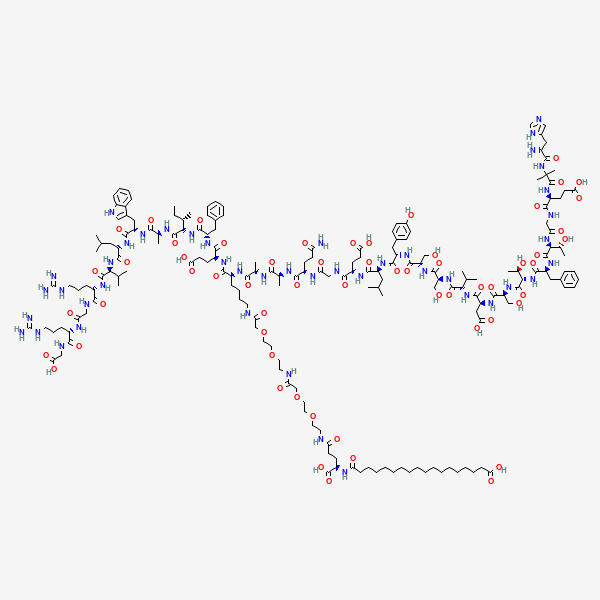
On Reddit, semaglutide is the rare peptide the community mostly agrees works. Across r/Semaglutide, r/Ozempic, and r/WegovyWeightLoss, the recurring story is the same: the constant mental chatter about food goes quiet, portions shrink, and the scale moves. The debates aren’t really about whether it works — they’re about side effects, dose, and where people are getting it.
What Redditors use semaglutide for
Weight loss is the headline. Most people posting about semaglutide are chasing fat loss, and the goal they describe most isn’t a number on the scale — it’s turning down “food noise,” the community’s name for the nonstop background thoughts about the next meal. A second large group is managing type 2 diabetes or prediabetes and talks about blood-sugar and A1c numbers dropping. Smaller threads cover PCOS, insulin resistance, and using semaglutide to hold weight after a diet. The through-line is appetite: people want the mental volume turned down, and semaglutide is the tool they reach for.
What users report
The positive reports are consistent enough to be predictable. Within the first week or two, many people say the food noise quiets, cravings fade, and they feel full on far less. Steady weekly weight loss is the most common happy update, and some mention drinking less alcohol without trying.
The negative reports are just as consistent, and they cluster in the gut. Nausea leads the list, usually worst in the days after a dose increase. “Sulfur burps” — belches that smell like rotten eggs — come up constantly; they trace back to semaglutide slowing the stomach down so food ferments longer. Constipation, fatigue, and the occasional rough day of vomiting round it out. A cosmetic complaint the community named itself, “Ozempic face” (facial volume lost alongside the fat), shows up in before-and-after threads. None of this is data — it’s a large group of people comparing notes, which is useful for spotting patterns and useless for proving cause.
The concerns that come up most
Sourcing is the argument that never ends. A big slice of Reddit is not on a prescription — they’re buying “research use only” vials of semaglutide powder from gray-market sellers and reconstituting it themselves, because it’s a fraction of the pharmacy price. The recurring worries are the honest ones: is the powder actually semaglutide, is it sterile, and did I do the reconstitution math right? Those aren’t paranoid questions. The FDA has logged reports of people drawing five to twenty times the intended dose by hand and ending up in the hospital. What “research use only” means and how to spot quality peptides are the starting points here; the legal status of peptides is a separate rabbit hole.
Dosing confusion is close behind. Titration — starting low and stepping up — is standard, but the community debates endlessly whether to climb on the label’s schedule or hold at a lower dose that’s tolerable and still working. Muscle loss is the other recurring fear: people notice a chunk of what they’re losing is lean mass, and the advice that surfaces — eat serious protein, lift weights — happens to be exactly what the science supports. So does the worry about regaining weight after stopping, which trials confirm is common. For the full rundown, our side effects overview collects them in one place.
Where Reddit is right — and where it’s off
Reddit is right about the big thing: semaglutide works, and unlike most compounds on this site, that isn’t anecdote. Large randomized human trials back it — roughly 15% body-weight loss over 68 weeks in the STEP program, and about a 20% cut in heart attacks and strokes in the SELECT trial. The community’s food-noise stories line up with the drug’s actual mechanism (it acts on appetite centers in the brain), and the muscle-loss worry is real and worth taking seriously. All of that is graded and sourced on the semaglutide profile.
Where Reddit runs ahead of the evidence is sourcing. The pharmacy product and a gray-market vial get treated as interchangeable in a lot of threads — they are not. The trial results were built on a manufactured, quality-controlled drug at a known dose, not on powder of unverified identity measured by hand at a kitchen table. And regain after stopping gets framed as the drug “failing,” when it’s just biology doing what the trials predicted once the signal is removed. That’s the gap this page exists to close: the semaglutide evidence is strong, but it only transfers to you if what’s in the vial matches what was in the trial. See how we grade evidence for why that distinction matters.
The honest bottom line
Semaglutide is one of the few peptides where the Reddit optimism and the human trials point the same direction — it reliably quiets appetite and takes weight off, and it does it with RCT-grade evidence behind it. The real fork in the road isn’t “does it work.” It’s how you’re getting it and how you’re dosing it, because that’s where the community’s stories turn from success to ER visit. Read the evidence-graded semaglutide profile next, see where it sits among the other GLP-1 metabolic peptides, and if you’re weighing it against the other big name, the semaglutide vs tirzepatide comparison lays them side by side.