BPC-157 vs Larazotide
BPC-157 vs Larazotide flips the popularity story: animal-only gut-healing research versus human celiac RCTs that did not reach approval.
BPC-157 vs Larazotide is a comparison where fame and evidence point in opposite directions. BPC-157 owns the bigger reputation and broad animal gut-healing literature; larazotide has randomized human celiac trials, yet its Phase 3 program stopped early. No trial has compared them directly, so there is no honest universal winner.
Why does larazotide vs bpc-157 invert the usual evidence story?
Larazotide vs bpc-157 reverses the ranking a casual search might imply: the obscure compound reached randomized human trials, while the famous one still relies on animal efficacy data. Evidence strength and a positive verdict are different things. Larazotide has the stronger evidence tier because people were randomized; its clinical verdict is mixed because development failed to produce an approved treatment.
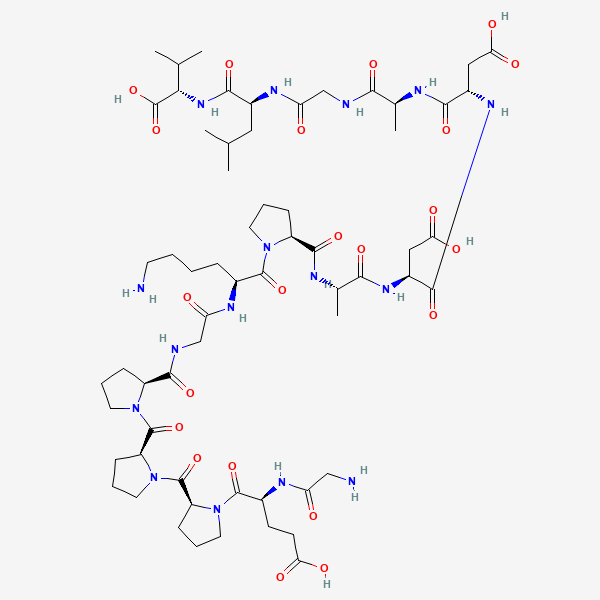
BPC-157 is a synthetic pentadecapeptide, meaning a chain of 15 amino acids, based on a fragment associated with gastric juice. Researchers have tested BPC-157 across rat models of ulcers, fistulas, colitis and intestinal surgical repair. A recent review of intestinal anastomosis experiments describes better healing measures in treated rats, not patients (PMC review). That is legitimate preclinical work, but “many studies” does not turn rats into humans.
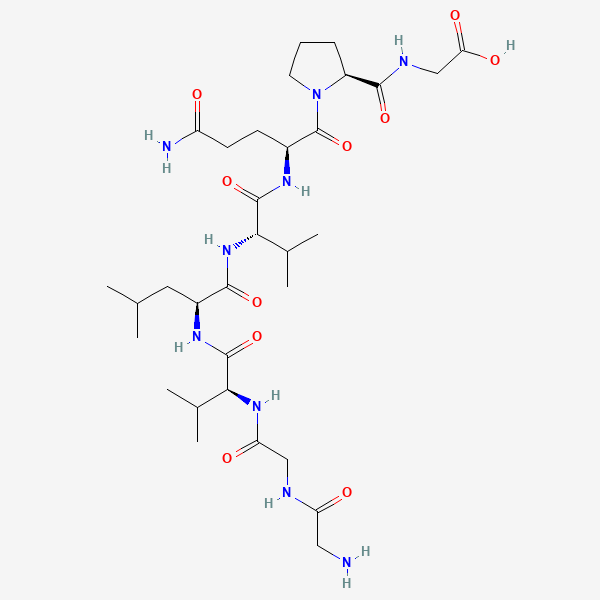
Larazotide is an 8-amino-acid oral tight-junction regulator. Tight junctions work like seals between cells lining the intestine. Larazotide was designed to stay largely inside the gut and reduce what slips between those cells, making it the more literal leaky gut peptide of the pair. The mechanism is narrower than BPC-157’s proposed repair effects, and the testing is far more clinical.
What did the human larazotide trials actually find?
Larazotide produced a real but awkward human signal. In a randomized trial of 342 adults with celiac disease and persistent symptoms despite a gluten-free diet, 0.5 mg by mouth three times daily met the primary symptom endpoint; the 1 mg and 2 mg doses did not. Safety and tolerability were comparable with placebo in that study (Leffler et al.).
Larazotide then reached CeDLara, a randomized Phase 3 celiac study. On June 21, 2022, 9 Meters Biopharma announced that a pre-specified interim analysis did not support continuation. The first roughly half of the planned enrollment had completed the double-blind efficacy period, and the company said the additional sample needed to show a significant difference was too large (company release). Calling that a clean completed-trial failure would overstate what happened; calling it confirmation would be worse. The pivotal program stopped without delivering an approvable result.
BPC-157 has no corresponding completed randomized human gut trial. A Phase 2 placebo-controlled hamstring-strain study began in 2026, but that trial studies muscle injury, not bpc 157 gut health, and has no posted results yet (NCT07437547). No direct head-to-head trial exists for these two compounds.
Which gut barrier peptide fits which research goal?
Larazotide fits celiac tight-junction research; BPC-157 fits broad animal literature on gastrointestinal protection and repair. Those are picks by question, not treatment recommendations. Readers comparing gut barrier peptides should first decide whether they mean a specific barrier mechanism tested in celiac patients or a wider healing hypothesis tested across animal injury models.
Choose larazotide as the evidence match for persistent celiac symptoms and gluten-related tight-junction research. Larazotide was studied as an add-on to a gluten-free diet, not as permission to eat gluten and not as a general answer for every condition labeled “leaky gut.” Its human record is the reason to take the compound seriously; the stopped Phase 3 program is the reason not to oversell it.
Choose BPC-157 as the evidence match for general gut-healing experiments. BPC-157 spans more kinds of gastrointestinal damage in animals, including mucosal injury and surgical connections between intestinal segments. That wider map can generate useful human research questions, but it cannot supply a human effect size, validated dose or long-term safety answer. For a broader category view, see peptides for gut health; for another preclinical comparison, see BPC-157 vs KPV.
Are the doses, routes and regulatory positions comparable?
The formats are not meaningfully interchangeable. Larazotide was an oral, locally acting drug candidate taken before meals in celiac trials. BPC-157 animal studies used model-specific routes and doses, while no validated human gut-healing dose exists. Copying a larazotide milligram schedule onto BPC-157, or converting an animal BPC-157 regimen into a human protocol, would be arithmetic dressed as evidence.
Neither compound is FDA-approved as of July 2026. Larazotide remains investigational after its celiac Phase 3 program stopped. BPC-157 also remains unapproved, and FDA’s current compounding-risk page lists concerns about immune reactions, peptide-related impurities and characterization of the active ingredient (FDA). An online label does not recreate the quality controls used in larazotide’s trials.
The bpc-157 vs larazotide conclusion is deliberately split. Larazotide wins the narrow question, “Which one has human randomized celiac data?” BPC-157 wins the different question, “Which one has broader animal gut-repair literature?” Popularity goes to BPC-157; evidence maturity goes to larazotide; a successful approved gut treatment goes to neither.
BPC-157 vs Larazotide, point by point
Every dimension side by side — the honest differences, not a scoreboard.
| Dimension | BPC-157 | Larazotide |
|---|---|---|
| What it is | A synthetic 15-amino-acid peptide based on a fragment of a protein found in gastric juice. | A synthetic 8-amino-acid oral peptide developed as an intestinal tight-junction regulator. |
| Where it acts | Studied across gut and other tissues in animal healing models; the exact human mechanism is not established. | Designed to act locally at the intestinal lining with minimal systemic absorption. |
| Main gut research question | Whether it protects or repairs damaged gastrointestinal tissue across ulcers, fistulas, colitis and surgical-healing models. | Whether regulating tight junctions reduces symptoms and gluten-related barrier disruption in celiac disease. |
| Best efficacy evidence | Animal-only for gut healing; no completed randomized human efficacy trial. | Multiple randomized human celiac trials, with a mixed Phase 2 signal and a discontinued Phase 3 program. |
| Doses studied | Animal regimens vary by model; there is no validated human dose for gut healing. | In a 342-adult Phase 2 trial, 0.5, 1 and 2 mg were taken by mouth three times daily before meals; only 0.5 mg met the primary endpoint. |
| What happened in Phase 3 | No completed Phase 3 program. A separate Phase 2 hamstring trial began recruiting in 2026, not a gut trial. | 9 Meters Biopharma stopped CeDLara on June 21, 2022 after an interim analysis found the added enrollment needed was too large to continue. |
| US regulatory status (2026) | Not FDA-approved; FDA lists safety concerns involving immunogenicity, peptide impurities and API characterization for compounded BPC-157. | Not FDA-approved; investigational development did not produce a marketed celiac treatment. |
- Best efficacy evidence: No trial has compared BPC-157 and larazotide directly; this comparison weighs their separate evidence.
BPC-157 vs Larazotide: the two molecules
The 2D chemical structures, straight from PubChem — a quick way to see how similar (or not) the two actually are.
Which one fits which goal?
There's no universal winner here — the honest answer depends on what you're after. These picks are framed by goal, and each says why.
Celiac tight-junction research
Leans toward Larazotide
Larazotide directly targeted intestinal tight junctions and was tested orally in randomized celiac trials, although the Phase 3 program stopped without confirming a usable treatment.
General gut-healing animal literature
Leans toward BPC-157
BPC-157 has the broader preclinical literature across gastrointestinal injury and repair models, but that breadth remains animal evidence rather than human proof.
References
- 1.Larazotide acetate for persistent celiac symptoms: randomized controlled trial
- 2.CeDLara Phase 3 interim analysis did not support trial continuation
- 3.BPC-157 and intestinal anastomoses therapy in rats: review
- 4.BPC-157 Phase 2 hamstring trial (NCT07437547)
- 5.FDA: safety risks associated with certain bulk substances for compounding