Epitalon vs Humanin
Epitalon vs Humanin compared by origin, mechanism, evidence, safety and goal—without treating animal results as proof of human longevity.
Epitalon vs Humanin is not a contest with a clinical winner: Epitalon is a synthetic pineal-gland tetrapeptide aimed at telomerase and circadian biology, while Humanin is a 24-amino-acid mitochondrial-derived peptide studied for cytoprotection. Both longevity claims are animal-only and None-in-humans, and no trial has compared or administered them head-to-head.
What is the core difference between epitalon and humanin?
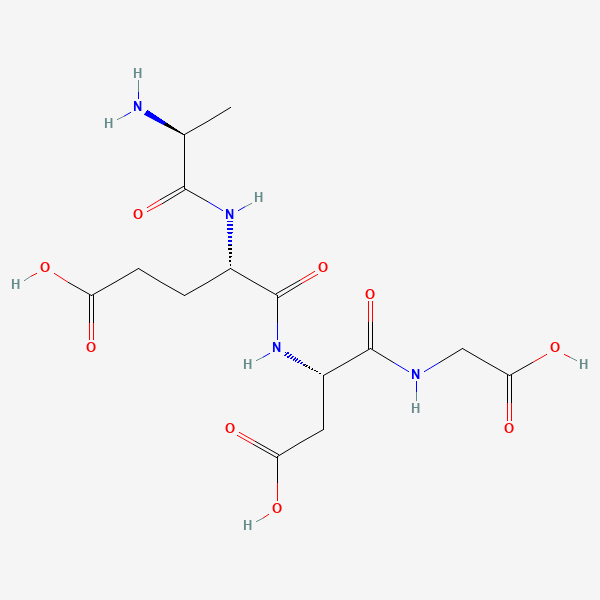
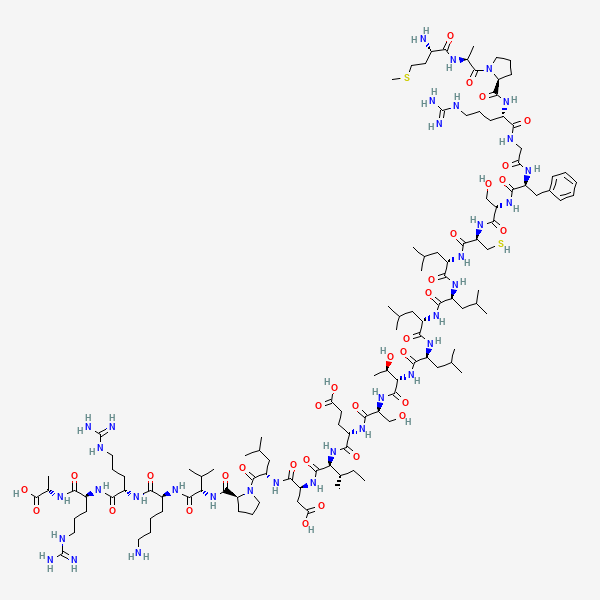
Epitalon and humanin approach aging biology from opposite ends of the cell. Epitalon is Ala-Glu-Asp-Gly, a four-amino-acid synthetic analog derived from work on epithalamin, a pineal-gland peptide extract. Humanin is a 24-amino-acid signal encoded within mitochondrial DNA. One starts with a gland that helps set circadian timing; the other starts inside the cell’s energy machinery.
That makes the pineal vs mitochondrial peptide shorthand useful, provided it stays a shorthand. Epitalon’s main laboratory story is telomerase, the enzyme that maintains the protective ends of chromosomes, plus animal work on melatonin and circadian rhythm. Humanin’s main story is cytoprotection: helping stressed cells resist apoptosis, the cell’s programmed self-destruct sequence.
The spelling variant epithalon vs humanin describes the same comparison; epithalon is a common alias for epitalon. Epithalamin is different. Epithalamin is a mixed pineal extract, and results from epithalamin studies cannot be quietly relabeled as trials of the synthetic AEDG tetrapeptide.
What does the longevity evidence actually show?
Epitalon has direct intervention evidence in cells and mice, while humanin combines animal intervention studies with human observational measurements. Neither record shows that giving the peptide extends human life or healthspan. That shared limit is why this comparison carries an Animal-only badge and treats both headline longevity claims as None-in-humans, even though human cells and human blood samples appear in the literature.
Epitalon lengthened telomeres in cultured human cell lines in a 2025 study, through telomerase upregulation in normal cells or an alternative telomere pathway in cancer cell lines (Al-Dulaimi et al., 2025). Cultured human cells are human material, but they are not a human intervention trial. In mice, epitalon did not increase mean lifespan, though the last 10% of survivors and maximum lifespan increased; the same paper reported other aging and tumor outcomes (Anisimov et al., 2003). That is a narrower result than “epitalon makes mammals live longer.”
Humanin intervention work also remains preclinical. A 2020 paper reported metabolic effects from the potent analog HNG in middle-aged mice and found no significant lifespan increase at the dose tested. The paper also measured circulating humanin across species and in small human groups (Yen et al., 2020). The distinction between native humanin and HNG matters: an effect from a modified analog in a mouse is not a dosing result for native humanin in a person.
Do higher humanin levels prove that humanin causes longevity?
Humanin’s human association does not prove causation. The 2020 study found higher circulating humanin in 18 children of centenarians than in 19 age-matched controls, alongside age-related patterns in other species. That finding says humanin levels travel with a longevity-linked human phenotype. It does not show that humanin created the phenotype, or that injecting humanin would reproduce it.
This is the point most vendor-shaped summaries blur. A biomarker can be a passenger, a response, a cause, or some mixture of the three. Only an intervention study can test whether changing the biomarker changes the outcome. Humanin has been measured in people, but its longevity claim has not crossed that bridge.
Readers mapping this biology can start with what mitochondrial-derived peptides are, then compare humanin with MOTS-c. Humanin leans toward cellular survival signaling; MOTS-c has a different sequence and a stronger metabolic emphasis. Family resemblance is not interchangeability.
Which peptide fits which research goal?
Epitalon fits telomerase, telomere and pineal/circadian questions; humanin fits cytoprotection, apoptosis and mitochondrial-derived-peptide questions. The epitalon vs humanin choice only makes sense by goal; it is not a treatment recommendation or universal ranking. Anyone asking “humanin vs epitalon, which is better for longevity?” is asking the evidence to choose an outcome that neither peptide has demonstrated in humans.
For telomere-focused work, epitalon has the cleaner line from compound to laboratory endpoint. The 2025 cell study gives researchers a measurable response, while the mouse literature supplies a separate organism-level aging program. For mitochondrial stress biology, humanin is the more coherent tool because the molecule’s origin and protective signaling belong to the same research lane.
For a reader who wants the most mature human intervention evidence, the honest pick is neither. Browse the broader set of longevity peptides compared, but keep the evidence tiers attached. A molecule can have a tidy mechanism and still be several clinical steps away from showing a useful outcome in people.
How do safety, dosing and US status compare in 2026?
Both peptides lack a validated human dose and a human safety profile for administration. Epitalon’s online 5–10 mg schedules are community reports, not results from a dose-finding trial. Humanin has no validated human protocol at all, and animal papers often study HNG rather than native humanin. Converting an animal or cell exposure into a personal dose is not a comparison; it is guesswork wearing a calculator.
Epitalon and humanin are not FDA-approved drugs. As of July 16, 2026, FDA has scheduled a July 24 advisory-committee discussion of epitalon and epitalon acetate for possible inclusion on the 503A Bulks List, evaluated for insomnia (FDA meeting notice). The meeting is pending, its recommendation would be non-binding, and Bulks List inclusion would not equal FDA approval. Humanin remains research-use-only with no approved indication or dosing label. WADA’s 2026 Prohibited List also captures both under S0 for non-approved substances, prohibited at all times.
Safety is therefore mostly an unknowns comparison. Epitalon raises unresolved questions around telomerase biology and long-term exposure. Humanin raises unresolved questions around sustained anti-apoptotic signaling. For both, unregulated research material adds immediate purity, identity and sterility risks before the theoretical biology even gets a turn.
Epitalon vs Humanin, point by point
Every dimension side by side — the honest differences, not a scoreboard.
| Dimension | Epitalon | Humanin |
|---|---|---|
| What it is | A synthetic pineal-gland tetrapeptide: Ala-Glu-Asp-Gly (AEDG), modeled on the peptide extract epithalamin. | A 24-amino-acid mitochondrial-derived peptide encoded within the mitochondrial 16S rRNA (MT-RNR2) region; research material is synthetic. |
| Main research lane | Telomerase, telomere maintenance and pineal/circadian signaling. | Cytoprotection: helping stressed cells resist programmed cell death, plus metabolic and mitochondrial stress signaling. |
| Longevity evidence badge | Animal-only; None-in-humans. Telomerase activation has been shown in cultured human cells, not in a treated person. | Animal-only; None-in-humans. Human studies measure natural humanin levels; they do not administer humanin as a longevity treatment. |
| What the human data means | No human intervention trial of synthetic epitalon for longevity. Human mortality claims often trace to epithalamin, a different pineal extract. | Circulating humanin levels correlate with age and familial longevity markers. Association does not establish that humanin causes longevity. |
| Human dosing evidence | No validated human dose. The profile records community reports of 5–10 mg daily for 10–20 days, not a clinical protocol. | No validated human dose. Much of the animal intervention literature uses HNG, a more potent humanin analog, rather than native humanin. |
| US regulatory status (July 2026) | Not FDA-approved. FDA has scheduled a July 24, 2026 advisory-committee discussion of epitalon for possible 503A Bulks List inclusion; no decision exists yet. | Not FDA-approved and sold as research-use-only; no approved indication or human dosing label exists. |
| Banned in sport (2026) | Yes. As a non-approved substance, epitalon falls under WADA S0 and is prohibited at all times. | Yes. Humanin is not named individually, but its non-approved status places it under WADA S0 and makes it prohibited at all times. |
- Longevity evidence badge: The shared comparison badge uses the weaker headline tier. Neither peptide has human intervention evidence for extending lifespan or healthspan.
- US regulatory status (July 2026): A pending compounding review is not approval, and compounding does not turn an unapproved substance into an FDA-approved drug.
Epitalon vs Humanin: the two molecules
The 2D chemical structures, straight from PubChem — a quick way to see how similar (or not) the two actually are.
Which one fits which goal?
There's no universal winner here — the honest answer depends on what you're after. These picks are framed by goal, and each says why.
Studying telomerase, telomeres or pineal/circadian biology
Leans toward Epitalon
Epitalon's four-amino-acid design and published cell work point directly at telomerase and telomere length; its separate animal literature covers pineal and aging biology.
Studying cytoprotection or mitochondrial-derived-peptide biology
Leans toward Humanin
Humanin is encoded in mitochondrial DNA and its defining preclinical work concerns cellular stress, apoptosis and protective signaling.
References
- 1.Al-Dulaimi et al. 2025 — epitalon and telomere length in human cell lines (PubMed)
- 2.Anisimov et al. 2003 — epitalon, lifespan and tumors in mice (PubMed)
- 3.Yen et al. 2020 — humanin, lifespan and healthspan (PubMed)
- 4.World Anti-Doping Agency — 2026 Prohibited List
- 5.FDA — July 2026 Pharmacy Compounding Advisory Committee meeting