Matrixyl vs Syn-Ake
Matrixyl vs Syn-Ake compared by mechanism, wrinkle type, evidence and timing—plus why Matrixylundefinedis not the same ingredient.
Matrixyl vs Syn-Ake is a signal-versus-neuro peptide choice, not a contest with one winner: Matrixyl asks fibroblasts to rebuild extracellular matrix for lines at rest, while Syn-Ake is proposed to soften expression lines by opposing muscle-type nicotinic acetylcholine signaling. No trial has compared them directly; this weighs their separate evidence.
What is the core difference between Matrixyl and Syn-Ake?
Matrixyl sends a repair-style signal to skin cells; Syn-Ake aims at the nerve-to-muscle message behind facial movement. That makes this the cleanest example of signal vs neuro peptide skincare. Matrixyl supplies Pal-KTTKS, a palmitoylated fragment of collagen. Syn-Ake was designed around waglerin-1, a venom peptide that blocks a muscle-type nicotinic acetylcholine receptor. The second sentence needs a large asterisk: waglerin-1 has that documented action, but Syn-Ake has not shown the same effect in a published human efficacy trial.
The Matrixyl mechanism starts with fibroblasts, the cells that produce collagen and other extracellular-matrix material. The KTTKS sequence increased collagen and fibronectin production in cultured cells (PubMed). Syn-Ake takes the shorter-road idea: reduce the repeated contraction that folds skin in the same place. Waglerin-1 does block the adult muscle receptor in experimental work (PubMed); whether a topical Syn-Ake formula reaches and antagonizes that target in living human facial tissue remains unsettled.
Is Matrixyl or Syn-Ake better for static vs dynamic wrinkles?
Matrixyl is the more logical pick for static lines, while Syn-Ake is the mechanism-matched pick for dynamic lines. Static vs dynamic wrinkles is useful shorthand: static lines remain when your face is relaxed; dynamic lines deepen when you frown, squint or smile. Real wrinkles rarely respect tidy categories, so the choice is by dominant goal, not a universal winner.
Matrixyl works on the skin’s support structure, which makes sense for fine lines that have settled in. Syn-Ake targets the story upstream: repeated movement. That does not mean Matrixyl cannot affect expression lines or that Syn-Ake rebuilds no skin support. It means the claims start from different biological jobs. A product combining both is testing two ideas at once, but there is no controlled evidence showing that the pair beats either ingredient alone.
Which peptide has stronger human evidence?
Matrixyl has the stronger human evidence, but the advantage belongs specifically to palmitoyl pentapeptide-4 and should not spill onto Syn-Ake. A 12-week, double-blind, placebo-controlled split-face study randomized 93 women to a vehicle moisturizer on one side and the same moisturizer with 3 ppm Pal-KTTKS on the other; image analysis favored Pal-KTTKS for wrinkles and fine lines (PubMed). The researchers were based at Procter & Gamble, so independent replication would make the signal sturdier.
Syn-Ake remains mechanistic-hypothesis in this comparison. A 2026 paper studied a
serum containing Syn-Ake alongside acetyl hexapeptide-8, gluconolactone, niacinamide
and laminaria extract. The clinical studies reported changes in static and dynamic
wrinkles, but the formula had several actives and the paper did not isolate Syn-Ake
(PubMed). That is evidence for the
finished serum, not proof that Syn-Ake caused the changes.
This is where many syn-ake vs matrixyl pages lose the plot: they give both ingredients equally confident benefit lists, then attach a shopping button. The honest comparison is uneven. Matrixyl has controlled human evidence for its named ingredient; Syn-Ake has a plausible mechanism, manufacturer claims, and a new multi-ingredient human study that cannot identify its individual contribution.
How quickly should each one work?
Matrixyl has a measured 12-week window; Syn-Ake has no validated standalone human timeline. The common “Matrixyl takes months, Syn-Ake takes weeks” summary follows their proposed jobs—matrix rebuilding is slow, while reducing contraction could be faster—but only the Matrixyl side has a controlled ingredient-specific clock. A fast promise is not the same thing as a fast trial result.
The 2026 multi-active serum paper observed some changes early and followed users for 12 weeks, yet those results cannot supply a Syn-Ake-only onset time. Product pages also quote concentrations for supplier solutions, which may contain far less pure peptide than the headline percentage suggests. For Matrixyl, the clean number is 3 ppm Pal-KTTKS in the published study. For Syn-Ake, there is no independently validated topical dose to copy.
Does “Matrixyl” mean Matrixyl 3000 or synthe’6?
Matrixyl, Matrixyl 3000 and Matrixyl synthe’6 are different ingredients, not three strengths of one peptide. This page uses “Matrixyl” for palmitoyl pentapeptide-4. Matrixyl 3000 combines palmitoyl tripeptide-1 with palmitoyl tetrapeptide-7; Matrixyl synthe’6 is palmitoyl tripeptide-38. Check the ingredient list before borrowing any evidence from this comparison.
That identity check matters for searches such as matrixyl 3000 vs syn ake. A serum labeled “Matrixyl 10%” may be naming a supplier blend rather than 10% active peptide, and a study of Pal-KTTKS does not automatically validate a later blend. The same rule applies to Syn-Ake: look for dipeptide diaminobutyroyl benzylamide diacetate, then judge the whole formula around it. The peptides for skin guide maps the broader families.
Which one fits which goal?
Matrixyl fits a slow structural-support goal with the better evidence tier; Syn-Ake fits an expression-line experiment where mechanism matters more than clinical certainty. Neither earns a universal crown. Someone prioritizing controlled human data has a clear reason to choose Matrixyl. Someone specifically interested in the neuro-inhibitory route has a reason to choose Syn-Ake while accepting the larger evidence gap.
Both are topical cosmetic ingredients, not FDA-approved wrinkle drugs. FDA does not pre-approve most cosmetic ingredients, though cosmetics must be safe, properly labeled and marketed without crossing into unapproved drug claims (FDA). For a closer neuro-peptide matchup, see Matrixyl vs SNAP-8. The useful decision is not which jar wins; it is whether the goal is rebuilding support or testing a movement-focused mechanism, and how much uncertainty you are willing to carry.
Matrixyl vs Syn-Ake, point by point
Every dimension side by side — the honest differences, not a scoreboard.
| Dimension | Matrixyl | Syn-Ake |
|---|---|---|
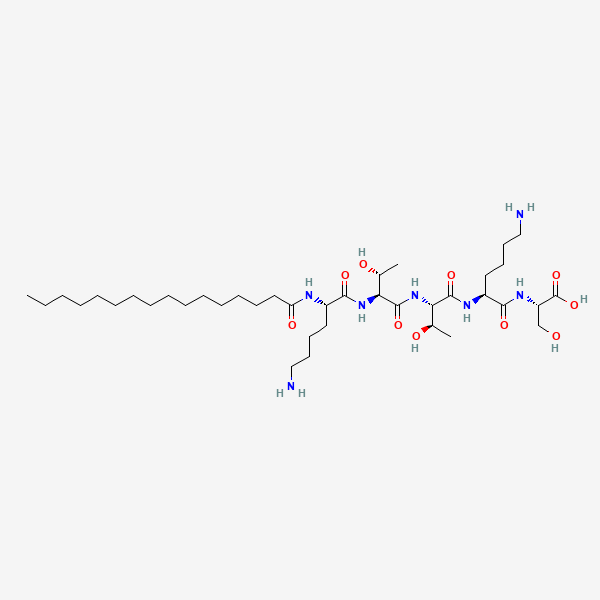
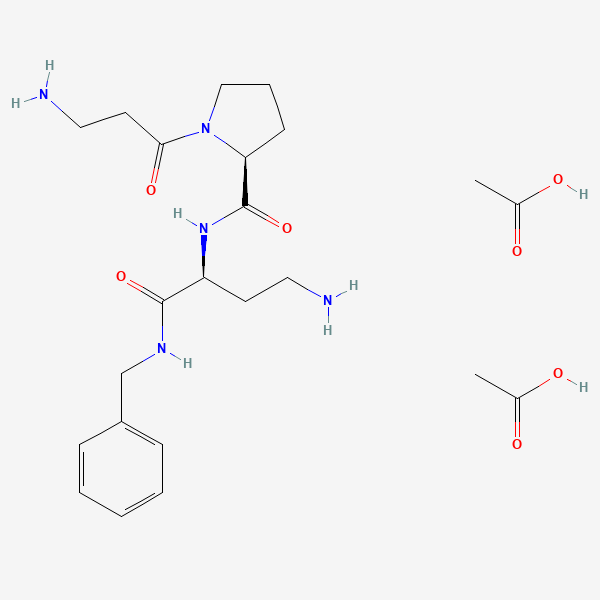
| Exact ingredient compared | Matrixyl: palmitoyl pentapeptide-4 (Pal-KTTKS), a five-amino-acid collagen fragment with a palmitoyl tail. | Syn-Ake: dipeptide diaminobutyroyl benzylamide diacetate, a synthetic cosmetic peptide modeled on waglerin-1. |
| Peptide strategy | Signal peptide: gives fibroblasts a collagen-breakdown-style message to make extracellular-matrix proteins. | Neuro-inhibitory peptide: proposed to oppose the muscle-type nicotinic acetylcholine receptor and soften contraction-driven lines. |
| Wrinkle goal | Best matched to fine lines visible while the face is resting, where rebuilding dermal support is the aim. | Best matched mechanistically to expression lines that deepen with repeated facial movement. |
| Human efficacy evidence | Human-controlled: a 12-week, double-blind, randomized split-face study in 93 women compared a 3 ppm Pal-KTTKS moisturizer with its vehicle. | Mechanistic hypothesis: no peer-reviewed controlled human efficacy trial has isolated Syn-Ake by name. |
| Timeline actually measured | The controlled Pal-KTTKS study ran for 12 weeks. | No clinically validated Syn-Ake-only timeline is available; claims of results within weeks come from mixed formulas or manufacturer material. |
| Studied topical amount | 3 ppm Pal-KTTKS in the published split-face moisturizer study. | No clinically validated standalone concentration or dose in an independent controlled human trial. |
| US regulatory status (2026) | Sold as a topical cosmetic ingredient; not an FDA-approved drug. | Sold as a topical cosmetic ingredient; not an FDA-approved drug. |
- Exact ingredient compared: Check the INCI list. Matrixyl, Matrixyl 3000 and Matrixyl synthe'6 are different named ingredients, so their evidence is not interchangeable.
- Wrinkle goal: Static and dynamic wrinkles overlap in real faces; this is a mechanism-based split, not a diagnostic rule.
- Human efficacy evidence: A 2026 paper reported improvements from a multi-active serum containing Syn-Ake, acetyl hexapeptide-8, gluconolactone, niacinamide and laminaria extract; it cannot assign the result to Syn-Ake alone.
- Studied topical amount: A percentage printed for a supplier blend is not necessarily the percentage of peptide active.
- US regulatory status (2026): FDA does not pre-approve most cosmetics or cosmetic ingredients, but products must be safe, properly labeled and not marketed with unapproved drug claims.
Matrixyl vs Syn-Ake: the two molecules
The 2D chemical structures, straight from PubChem — a quick way to see how similar (or not) the two actually are.
Which one fits which goal?
There's no universal winner here — the honest answer depends on what you're after. These picks are framed by goal, and each says why.
Fine lines at rest with the stronger human evidence
Leans toward Matrixyl
Matrixyl has a controlled 12-week human study and a fibroblast-signaling mechanism aligned with rebuilding dermal matrix.
Expression lines where facial movement is the main concern
Leans toward Syn-Ake
Syn-Ake is the mechanism-matched pick because it is designed around neuromuscular signaling, but this remains a hypothesis without an isolated controlled human trial.
Least uncertainty about which active caused the result
Leans toward Matrixyl
The Pal-KTTKS split-face study used a matching vehicle, while published Syn-Ake human data come from a serum containing several active ingredients.
References
- 1.Topical palmitoyl pentapeptide provides improvement in photoaged human facial skin
- 2.A pentapeptide from type I procollagen promotes extracellular matrix production
- 3.Multi-active serum containing dipeptide diaminobutyroyl benzylamide diacetate: ex vivo and clinical studies
- 4.Waglerin-1 selectively blocks the epsilon form of the muscle nicotinic acetylcholine receptor
- 5.FDA authority over cosmetics: regulated, not pre-approved