Melanotan 1 vs PT-141
Melanotanundefinedvs PT-141 compares an MC1R-focused EPP implant with an MC4R-linked HSDD drug, including approvals, evidence, doses, and risks.
Melanotanundefinedvs PT-141 is a receptor-and-goal split, not a contest for one winner: Melanotan I (afamelanotide/SCENESSE) mainly drives MC1R pigmentation and treats EPP, while PT-141 (bremelanotide/Vyleesi) uses central melanocortin signaling for diagnosed HSDD. Both have human randomized trials, but no trial has compared them directly.
What is the core difference?
Melanotan I is primarily a pigment and photoprotection drug; PT-141 is a sexual-desire drug. The clean shorthand is MC1R vs MC4R: afamelanotide binds predominantly to melanocortin-1 receptors on pigment-making cells, while bremelanotide’s approved use is linked to melanocortin signaling in the central nervous system, where MC4R is expressed. That shorthand needs one footnote: Vyleesi’s label says bremelanotide activates several receptor subtypes, with MC1R and MC4R most relevant at therapeutic doses. PT-141 is not an MC4R-only switch.
That receptor split explains the practical difference. Melanotan I increases eumelanin, the darker skin pigment that absorbs ultraviolet light. PT-141 acts through brain melanocortin pathways involved in sexual response; the exact mechanism by which Vyleesi improves HSDD remains unknown. The broader melanocortin peptide family includes both, but a shared family name does not make the drugs interchangeable.
Are both drugs really FDA-approved?
Both are FDA-approved, but the approval belongs to a named drug, formulation, indication, and population. Afamelanotide vs bremelanotide is therefore also SCENESSE vs Vyleesi: FDA approved SCENESSE on October 8, 2019 for adults with erythropoietic protoporphyria (EPP), and approved Vyleesi on June 21, 2019 for acquired, generalized HSDD in premenopausal women. Neither label covers the broad consumer uses attached to these peptide names online.
SCENESSE is a solid, bioresorbable 16 mg implant placed under the skin by a trained healthcare professional every two months. The FDA approval is not for a reconstituted vial of “Melanotan 1,” and not for cosmetic tanning. Calling both products afamelanotide does not transfer the implant’s approval, manufacturing controls, or trial record to an online injectable powder.
Vyleesi is a sterile 1.75 mg/0.3 mL solution in a single-dose autoinjector. The label specifies at least 45 minutes before anticipated sexual activity, no more than one dose in 24 hours, and no more than eight doses per month. The approval does not cover men, postmenopausal women, general low libido without the labeled diagnosis, or sexual-performance enhancement. The same distinction applies to research-market PT-141 powder: chemical identity on a label is not FDA approval of that vial.
What does the human evidence actually prove?
The human-RCT badge is deserved for each approved use, not for every reason someone might search pt-141 vs melanotan 1. Afamelanotide’s controlled EPP trials tested 16 mg implants and found longer pain-free light exposure than vehicle. Bremelanotide’s two Phase 3 HSDD trials tested the 1.75 mg autoinjector against placebo and found improved desire scores and reduced distress related to low desire. Those are different questions in different patients, so placing the results in one winner column would be statistical theater.
No published trial has compared Melanotan I with PT-141 directly. The honest melanotan 1 vs pt-141 comparison therefore weighs separate evidence bases, labels, and mechanisms. For cosmetic tanning, Melanotan I clearly increases human pigmentation, but no FDA approval establishes cosmetic benefit or long-term cosmetic safety. For general libido or use in men, PT-141 has a thinner evidence base than the female HSDD indication and no matching approval. The badge stays human-rct because both headline, approved uses meet that tier; the grade drops when the use changes.
That use-by-use grading is the part most quick comparisons miss. The target keyword often leads to vendor pages that stop at “tanning versus libido.” The more useful question is whether the exact product and goal match the evidence. Our guide to peptides for tanning covers the cosmetic lane, while the Melanotan I vs Melanotan II comparison separates two names that are even easier to confuse.
Which one fits which goal?
Melanotan I fits the evidence-backed EPP goal; PT-141 fits the evidence-backed HSDD goal. There is no honest universal winner because the drugs solve different labeled problems. For an adult with EPP seeking the approved photoprotection treatment, SCENESSE is the relevant pick. For a premenopausal woman with acquired, generalized HSDD seeking the approved as-needed treatment, Vyleesi is the relevant pick.
Cosmetic tanning and general libido require a different answer: neither compound is FDA-approved for those broad goals. Melanotan I is the more direct pigmentation tool because afamelanotide predominantly binds MC1R. PT-141 is the better-studied central sexual-desire tool because bremelanotide has controlled HSDD trials. Those mechanism-based picks describe which evidence is closer to the goal; they do not convert an off-label goal or gray-market vial into an approved use.
How do the risks differ?
Melanotan I concentrates the safety conversation on pigment and skin monitoring, while PT-141 adds cardiovascular and nausea concerns. SCENESSE can darken existing moles and freckles, so its label recommends a full-body skin examination twice yearly. Implant-site reactions, nausea, fatigue, dizziness, and skin hyperpigmentation also appear in the current label. The research-market vial adds unknown purity, dose accuracy, and sterility that the approved implant trials did not test.
PT-141 commonly causes nausea, flushing, injection-site reactions, headache, and vomiting. Vyleesi transiently raises blood pressure and lowers heart rate after each dose; uncontrolled hypertension and known cardiovascular disease are contraindications. Bremelanotide can also cause focal hyperpigmentation, which fits its clinically relevant MC1R activity and is another reason the simple MC1R vs MC4R slogan needs care.
The useful conclusion is narrow and concrete: choose by diagnosed goal and approved formulation, not by which peptide sounds stronger. Both compounds are rare examples of melanocortin drugs with FDA approvals and human randomized evidence. Neither approval is a blank check for cosmetic tanning, general libido, or online research products, and no head-to-head trial supplies an overall winner.
Melanotan 1 vs PT-141, point by point
Every dimension side by side — the honest differences, not a scoreboard.
| Dimension | Melanotan 1 | PT-141 |
|---|---|---|
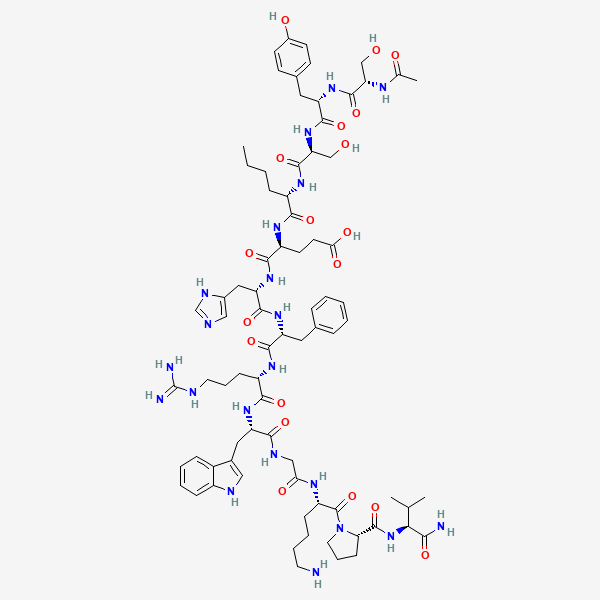
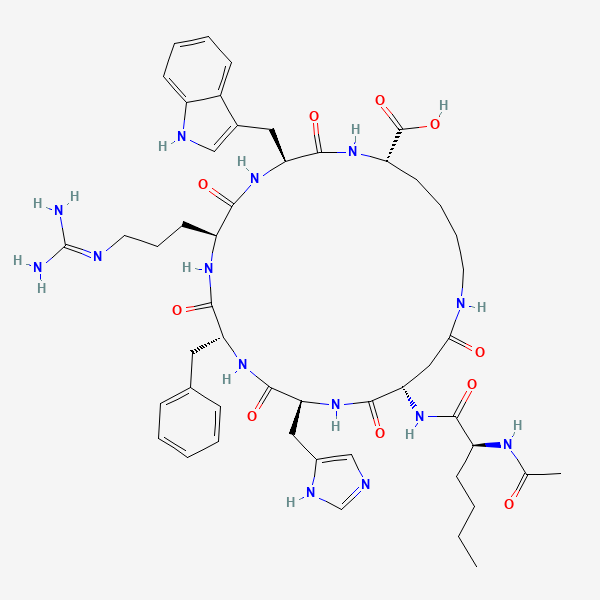
| Drug identity | Afamelanotide, sold as SCENESSE; a linear 13-amino-acid alpha-MSH analog. | Bremelanotide, sold as Vyleesi; a synthetic cyclic heptapeptide melanocortin agonist. |
| Receptor emphasis | Binds predominantly to MC1R, increasing eumelanin in skin. | Activates several melanocortin receptors; MC1R and MC4R are most relevant at therapeutic doses, with central MC4R signaling tied to the sexual-response use. |
| FDA-approved use | Increasing pain-free light exposure in adults with erythropoietic protoporphyria (EPP). | Acquired, generalized hypoactive sexual desire disorder (HSDD) in premenopausal women. |
| Approved product and dose | SCENESSE: one 16 mg bioresorbable subcutaneous implant placed by a trained healthcare professional every 2 months. | Vyleesi: 1.75 mg/0.3 mL in a single-dose subcutaneous autoinjector, used at least 45 minutes before anticipated sexual activity; no more than one dose in 24 hours or 8 per month. |
| Human evidence | Randomized, double-blind, vehicle-controlled trials found more pain-free light exposure in adults with EPP. | Two randomized, double-blind, placebo-controlled Phase 3 trials found improved desire and reduced related distress in premenopausal women with HSDD. |
| Evidence outside the label | Pigmentation occurs in humans, but cosmetic tanning is not FDA-approved and long-term cosmetic safety has not been established. | The label does not cover general libido enhancement, sexual performance, men, or postmenopausal women. |
| Main safety distinction | Darkening of moles and new pigmentary lesions makes twice-yearly full-body skin examinations part of the label. | Nausea, transient blood-pressure increases, reduced heart rate, and focal hyperpigmentation are central label risks; uncontrolled hypertension and known cardiovascular disease are contraindications. |
- Receptor emphasis: The useful shorthand is MC1R vs MC4R, but PT-141 is not an MC4R-only drug.
- FDA-approved use: Neither approval covers cosmetic tanning, general libido enhancement, men, or online research vials.
- Human evidence: Both earn a human-RCT badge for their approved uses. No trial has compared the two drugs directly.
Melanotan 1 vs PT-141: the two molecules
The 2D chemical structures, straight from PubChem — a quick way to see how similar (or not) the two actually are.
Which one fits which goal?
There's no universal winner here — the honest answer depends on what you're after. These picks are framed by goal, and each says why.
FDA-approved photoprotection for an adult with EPP
Leans toward Melanotan 1
SCENESSE is the drug approved and tested for increasing pain-free light exposure in adults with EPP.
FDA-approved treatment for acquired, generalized HSDD in a premenopausal woman
Leans toward PT-141
Vyleesi is the option studied in two Phase 3 trials and approved for this specific diagnosis and population.
Understanding the better-studied pigmentation pathway
Leans toward Melanotan 1
Afamelanotide binds predominantly to MC1R and has controlled human evidence for increased eumelanin, though cosmetic tanning remains unapproved.
Understanding central melanocortin signaling in sexual desire
Leans toward PT-141
Bremelanotide has the relevant human HSDD trials and an FDA label, while Melanotan I is primarily an MC1R pigment drug.