MK-677 vs Tesamorelin
MK-677 vs Tesamorelin compares an oral ghrelin mimetic with an FDA-approved injectable GHRH analog, including evidence, visceral fat, risks, and route.
MK-677 vs Tesamorelin is a by-goal choice, not a contest with one winner: MK-677 is an oral ghrelin-receptor agonist that raises growth hormone, IGF-1, and appetite, while Tesamorelin is an injectable GHRH analog FDA-approved for excess visceral abdominal fat in HIV-associated lipodystrophy. No trial has compared them directly; this weighs their separate human evidence.
What is the core difference between MK-677 and tesamorelin?
MK-677 and tesamorelin reach the growth-hormone axis through different doors. MK-677, also called ibutamoren, is a small oral molecule that activates the ghrelin receptor. Tesamorelin is a 44-amino-acid peptide injected under the skin that copies growth-hormone-releasing hormone (GHRH). Both raise growth hormone and insulin-like growth factor 1 (IGF-1), but the matching ends there.
MK-677 presses the same receptor as the body’s hunger hormone. That explains both its appeal and its baggage: human trials show higher growth hormone and IGF-1, while increased appetite and fluid retention commonly travel with the effect. Tesamorelin signals through the GHRH receptor instead. Think of two buttons wired to the same pituitary: one button also rings the dinner bell; the other does not.
The ibutamoren vs tesamorelin distinction also matters for what each compound is built to do. MK-677 was studied across growth-hormone decline, body composition, and several clinical populations. Tesamorelin was developed around a specific measurable outcome: reducing deep abdominal fat in people with HIV-associated lipodystrophy.
Which has stronger human evidence?
MK-677 and tesamorelin both qualify for the Human RCT tier, but tesamorelin has the stronger regulatory endpoint. MK-677 reliably changes biomarkers, especially growth hormone and IGF-1; tesamorelin has randomized trials supporting a defined clinical use and an FDA approval. Evidence tier alone does not make those records interchangeable.
The cited two-year MK-677 older-adult trial used 25 mg by mouth once daily. Fat-free mass increased versus placebo, but the added mass did not clearly become greater strength or better physical function, and retained water complicates the scan. That is a useful biological effect with an unsettled practical payoff.
Tesamorelin’s pivotal HIV lipodystrophy trial used 2 mg subcutaneously once daily. The program showed reduced visceral abdominal fat and supported approval as Egrifta. The population boundary matters: approval covers excess abdominal fat in HIV-associated lipodystrophy, not general weight loss, bodybuilding, or routine obesity treatment.
No direct trial answers tesamorelin vs mk-677. Any claim that one beat the other in a comparative study would be fiction; the honest comparison weighs separate trials conducted for different questions.
Which is better for visceral fat or body composition?
Tesamorelin is the evidence-backed pick for excess visceral fat in its approved HIV population, while MK-677 fits a different body-composition question. Visceral fat sits deep around the organs; it is not the same as the pinchable fat under the skin, and tesamorelin’s trials measured that compartment directly.
MK-677 increased fat-free mass in older adults, but “fat-free” is not a synonym for new working muscle. Water counts, and the trial did not show a matching improvement in strength or physical function. MK-677 also increases appetite, which can work against a fat-loss goal even while GH and IGF-1 rise.
Tesamorelin can reduce visceral fat without producing large scale-weight changes. That makes the choice depend on the actual target: a labeled visceral-fat indication points to tesamorelin; an oral GH/IGF-1 secretagogue with a documented appetite effect points to MK-677. For another downstream-growth-signal comparison, see IGF-1 LR3 vs MK-677.
How do route and day-to-day use differ?
MK-677 is simpler to administer because it is oral; tesamorelin is a subcutaneous injection that requires the correct product handling. The phrase mk 677 or tesamorelin often hides this basic fork: tablet or oral liquid on one side, a reconstituted peptide and syringe on the other.
MK-677 needs no vial math. Tesamorelin’s concentration depends on the formulation and preparation, so the reconstitution calculator can check arithmetic without turning study information into a personal protocol. The half-life visualizer helps explain why exposure and dosing intervals cannot be inferred just from the fact that both compounds raise IGF-1.
Route is not a footnote if missed injections, storage, or sterile technique change what is realistic. Convenience favors MK-677. A regulated prescription product with a labeled indication favors tesamorelin. Sermorelin vs tesamorelin places tesamorelin beside another GHRH-pathway peptide if the injection-side comparison is the real question.
How do side effects and regulatory status compare?
MK-677 and tesamorelin share fluid-retention and glucose-control concerns, but their risk records and legal status differ sharply. MK-677 is not FDA-approved for any use and is not a lawful dietary supplement. Tesamorelin is FDA-approved by prescription for one narrow indication, with contraindications and monitoring language in its DailyMed label.
MK-677 commonly brings increased appetite, swelling, and reduced insulin sensitivity. One trial in frail older adults after hip fracture was stopped after more heart-failure events in the MK-677 group. Tesamorelin commonly causes injection-site reactions, joint pain, fluid retention, and glucose problems; the label contraindicates use with active malignancy, pregnancy, or disruption of the hypothalamic-pituitary axis.
Both compounds are prohibited at all times under anti-doping rules. FDA approval also does not make every tesamorelin use approved: general fat loss and physique use remain off-label, while gray-market tesamorelin is not the quality-controlled Egrifta used in trials.
Which one fits which goal?
MK-677 fits goals centered on oral administration or a studied appetite increase; tesamorelin fits the FDA-approved visceral-fat indication and goals that avoid direct ghrelin-receptor activation. Neither is the universal winner, and neither compound’s trial record answers every reason people consider raising GH or IGF-1.
The clean mk-677 vs tesamorelin decision starts with the outcome, not the popularity contest. Oral convenience and appetite support point toward MK-677. Prescription treatment of excess visceral abdominal fat in HIV-associated lipodystrophy points toward tesamorelin. For everything outside those lanes, the uncertainty grows: separate human trials can guide a comparison, but they cannot substitute for a head-to-head result that does not exist. The broader growth-hormone peptide hub places both beside other compounds that act on the GH/IGF-1 axis.
MK-677 vs Tesamorelin, point by point
Every dimension side by side — the honest differences, not a scoreboard.
| Dimension | MK-677 | Tesamorelin |
|---|---|---|
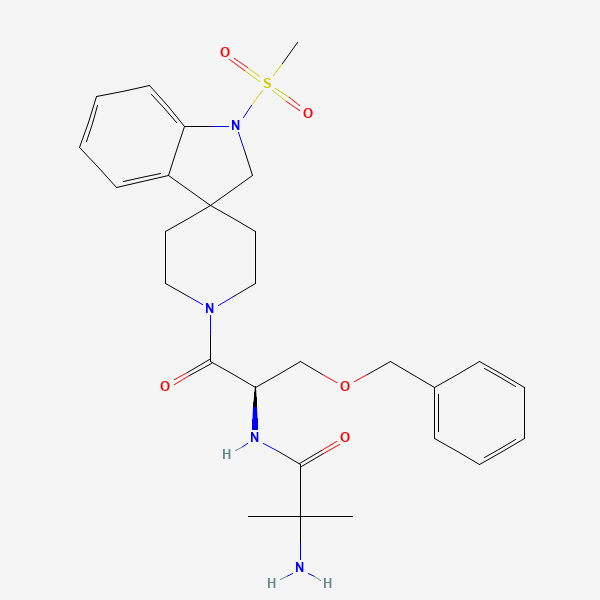
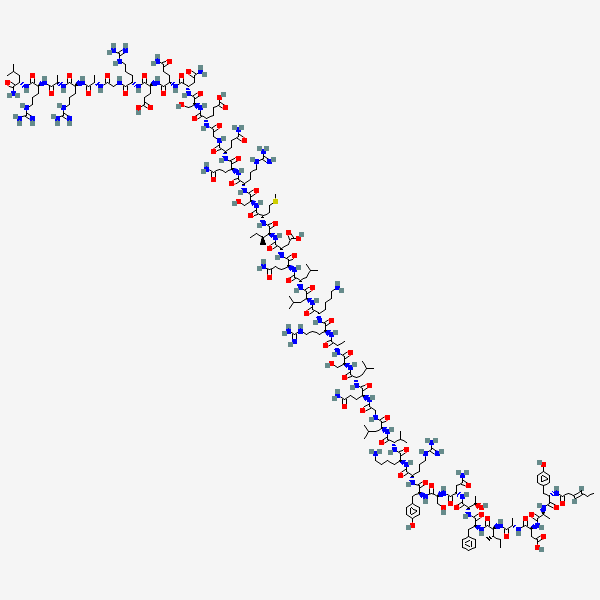
| What it is | An orally active, non-peptide small molecule also called ibutamoren. | A 44-amino-acid injectable peptide and stabilized GHRH analog. |
| Primary mechanism | Activates the ghrelin receptor (GHSR-1a), increasing growth-hormone pulses, IGF-1, and appetite. | Activates the GHRH receptor, prompting pulsatile growth-hormone release and raising IGF-1. |
| Route and studied dose | Oral; 25 mg once daily was used in the cited two-year older-adult trial. | Subcutaneous; 2 mg once daily was used in the pivotal HIV lipodystrophy trials. |
| US regulatory status (2026) | Not FDA-approved for any use and not a lawful dietary supplement; sold as a research chemical. | FDA-approved by prescription as Egrifta for reducing excess abdominal fat in HIV-associated lipodystrophy. |
| Best-established human finding | Reliably raises growth hormone and IGF-1; increased fat-free mass did not clearly improve strength or function. | Reduces visceral abdominal fat in people with HIV-associated lipodystrophy. |
| Appetite and body-composition angle | Often increases appetite and can add water weight, which can blur lean-mass changes. | Targets visceral fat without acting through the ghrelin hunger receptor; total body weight may change little. |
| Key shared cautions | Fluid retention and worse glucose control; a frail elderly trial had more heart-failure events. | Fluid retention, joint pain, injection-site reactions, and worse glucose control; contraindicated with active malignancy. |
- Route and studied dose: Study doses describe the cited research and approved-label evidence; they are not personalized protocols.
MK-677 vs Tesamorelin: the two molecules
The 2D chemical structures, straight from PubChem — a quick way to see how similar (or not) the two actually are.
Which one fits which goal?
There's no universal winner here — the honest answer depends on what you're after. These picks are framed by goal, and each says why.
An oral option with no injections or reconstitution
Leans toward MK-677
MK-677 is orally active, while tesamorelin is a subcutaneous peptide that requires injection.
The FDA-approved treatment for excess visceral fat in HIV-associated lipodystrophy
Leans toward Tesamorelin
Tesamorelin has a specific FDA-approved indication backed by pivotal human randomized trials; MK-677 has no approved use.
A studied appetite-increasing effect for a weight-gain context
Leans toward MK-677
MK-677 activates the ghrelin receptor, and increased appetite and food intake appear in its human trial record.
A visceral-fat goal without directly activating the ghrelin hunger receptor
Leans toward Tesamorelin
Tesamorelin works through the GHRH receptor and has direct randomized evidence for visceral-fat reduction in its approved HIV population.
References
- 1.MK-677 in older adults — 2-year body-composition RCT (ClinicalTrials.gov NCT00474279)
- 2.Ibutamoren (MK-677) — indexed research (PubMed)
- 3.EGRIFTA (tesamorelin) prescribing information — DailyMed
- 4.Pivotal Phase 3 tesamorelin trial in HIV-associated lipodystrophy (NCT00123253)
- 5.Tesamorelin — indexed research (PubMed)