Also known as: Lys-Glu · KE peptide · lysylglutamic acid · L-lysyl-L-glutamic acid
Animal-onlyUnclear⚠ none in humans
On this page
- What is Vilon?
- How does the KE peptide work?
- What does the Vilon evidence show?
- Does Thymalin’s clinical history validate Vilon?
- Is Vilon safe, and what are the risks?
- Is Vilon FDA-approved or banned in sport?
- Is there a supported Vilon dosage?
- Evidence by outcome
- FDA & legal status
- Chemical identifiers
- References
- Related compounds
Vilon is a synthetic two-amino-acid peptide studied for longevity and immune signaling. Longevity evidence stops at mice; older Russian clinical reports measured narrow diabetes-related markers, but no Western randomized trial validates anti-aging or immune benefits. In the United States Vilon is an unapproved research chemical, not a miniature Thymalin with inherited clinical proof.
What is Vilon?
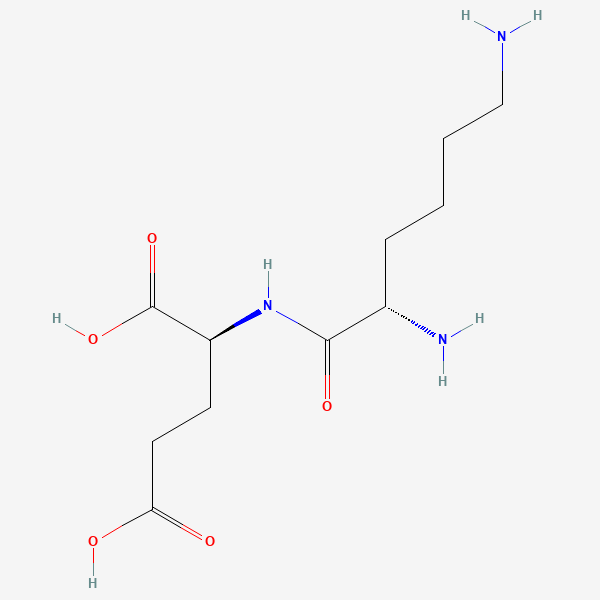
Vilon is L-lysyl-L-glutamic acid: lysine joined to glutamic acid, written Lys-Glu or KE. That makes the Vilon peptide a dipeptide, the shortest chain that can still be called a peptide. PubChem identifies it as CID 7010502, with formula C11H21N3O5, molecular weight 275.30 g/mol, and CAS 45234-02-4.
The name Vilon bioregulator comes from Vladimir Khavinson’s short-peptide research program. A bioregulator peptide is proposed to adjust cell activity, often through gene regulation; the term is not an FDA drug class.
Key facts
- Studied for: aging biology and immune-cell signaling
- Evidence tier: animal-only for longevity; in-vitro for immune effects
- Human evidence: limited Russian clinical reports; no registered Western trial
- U.S. status (2026): not FDA-approved; sold as research use only (RUO)
- Vilon dosage: no evidence-based human dose
- Main risk: human effects, adverse events, interactions, and product quality are unknown
- Sport: prohibited under WADA’s S0 non-approved-substances rule
How does the KE peptide work?
The KE peptide does not have a validated human receptor or settled mechanism. Researchers propose that very short peptides can enter cells and influence which genes are read. Think of that as changing which pages lie open on a desk, not rewriting the book. Vilon experiments have measured downstream markers, but the first molecular hand on the switch remains unidentified.
In cultured human and rat thymus cells, Vilon and an analogue increased CD5, a marker associated with developing T cells, and shifted other differentiation markers. That is evidence that cells reacted in a dish. It does not show that a person would resist infections, correct immune aging, or live longer.
What does the Vilon evidence show?
Vilon has a real but narrow preclinical record: a mouse longevity experiment and cell studies of immune signaling. The most direct longevity paper reported that treated female CBA mice lived longer, showed more activity and endurance, and developed fewer spontaneous tumors. The PubMed abstract does not turn those findings into a human result; mice are the whole clinical population here.
A 2022 THP-1 monocyte/macrophage study tested Vilon beside four other peptide preparations. Vilon showed only small modulation of ERK1/2 alone, while some signaling and inflammatory readouts changed after co-treatment with bacterial lipopolysaccharide. The authors ran three independent experiments in a leukemia-derived cell line. Useful mechanism work, yes. A trial of immune health, no.
Older Russian human papers complicate a clean “cells and mice only” slogan. One PubMed-indexed randomized report described coagulation and fibrinolysis changes when Vilon was added to treatment for type 1 diabetes; a related clinical paper reported immune and hemostasis markers. Their abstracts do not supply enough detail on sample size, blinding, adverse events, or independent replication to establish clinical benefit, and neither tested longevity.
No Vilon study appears in the ClinicalTrials.gov search, and no Western randomized trial was found. The correct headline tier for the marketed longevity claim is therefore animal-only. The Russian reports deserve acknowledgment, but they do not turn narrow diabetes biomarkers into proof of immune restoration or longer human life.
Does Thymalin’s clinical history validate Vilon?
Thymalin’s clinical history does not transfer to Vilon. Thymalin is a complex thymus-derived preparation used and studied in Russia; Vilon is one defined synthetic Lys-Glu dipeptide. A mixture and a two-amino-acid molecule are not interchangeable just because both emerged from the same research program and point toward the thymus.
This is the quiet category error behind many Vilon claims. Decades of Russian use may inform the story of Thymalin, but they cannot supply Vilon with human efficacy, dosing, or safety data. Evidence belongs to the exact material tested. Family resemblance is not a clinical trial.
Is Vilon safe, and what are the risks?
Vilon’s human safety profile remains unknown because no modern, well-reported safety program was located. The mouse paper reported no unfavorable effects on animal development during long-term administration, but animal tolerability and sparse Russian clinical abstracts cannot establish adverse-event rates, interactions, pregnancy risk, or long-term consequences.
RUO products add a second layer of risk: the label does not guarantee pharmaceutical identity, purity, dose accuracy, or sterility. No specific side-effect list is defensible without human data. “No known side effects” would merely mean nobody ran the trial needed to know them.
Is Vilon FDA-approved or banned in sport?
Vilon is not FDA-approved for any use in the United States as of July 16, 2026. The Drugs@FDA database contains approved human drug products; no Vilon product or indication was found. Research use only is a sales limitation for laboratory material, not a back door to medical approval.
Vilon is not named line by line on the 2026 WADA list, but WADA’s S0 category covers pharmacological substances with no approval for human therapeutic use. That catch-all makes Vilon prohibited at all times for tested athletes. The longevity peptide hub and immune peptide hub place the research in context; neither changes the regulatory answer.
Is there a supported Vilon dosage?
There is no evidence-based Vilon dosage for people. Published work used cell-culture concentrations or animal regimens, and no human pharmacokinetic study establishes absorption, half-life, route, dose response, or a tolerable range. Converting a mouse experiment into milligrams for a person would manufacture precision the research has not earned.
Online schedules often borrow from other Khavinson preparations or repeat vendor protocols without a human Vilon trial underneath them. The useful answer is short: there is no validated human dose to report, and Thymalin dosing does not fill that blank.
Evidence by outcome
Each outcome Vilon has been studied for, with the honest evidence grade and what the studies actually found. A tier never stands alone — the verdict rides with it.
| Outcome | Evidence | What was found |
|---|---|---|
| Longevity and age-related biology | Animal-onlyHelped⚠ none in humans | One study in female CBA mice reported longer lifespan, greater activity and endurance, and fewer spontaneous tumors after Vilon. No randomized human trial has shown that Vilon extends life or improves healthy aging. |
| Immune-cell differentiation and inflammatory signaling | In-vitroUnclear⚠ none in humans | Cultured human and rat thymus cells showed changes in CD5 and T-cell differentiation markers, while THP-1 cell experiments found modest and mixed effects across signaling and inflammatory readouts. These are dish experiments, not evidence of fewer infections or better immunity in people. |
| Immune and coagulation markers in type 1 diabetes | Human (controlled)Unclear | Older Russian papers report changes in immune and coagulation markers when Vilon was added to treatment for type 1 diabetes; one is indexed as a randomized controlled trial. The available abstracts do not provide enough methodological or safety detail to establish a clinical benefit. |
FDA & legal status
- United States: research use only (as of Jul 2026)
Vilon is not an FDA-approved drug and has no approved human indication in the United States. "Research use only" describes how laboratory material is sold; it is not permission or an approval for human use.
Chemical identifiers
References
- 1.PubChem — Lysylglutamic acid (Vilon), CID 7010502
- 2.Khavinson et al., 2000 — Effect of Vilon on biological age and lifespan in mice (PMID 11140587)
- 3.Sevostianova et al., 2013 — Vilon in cultured human and rat thymus cells (PMID 23486604)
- 4.Ceccherini et al., 2022 — Khavinson peptides in THP-1 cells (PMC8999041)
- 5.Kuznik et al. — Vilon and coagulation in type 1 diabetes (PMID 17152731)
- 6.Kuznik et al., 2007 — Vilon, immunity and hemostasis in type 1 diabetes (PMID 18306698)
- 7.Vilon — registered studies search (ClinicalTrials.gov)
- 8.Drugs@FDA — FDA-approved drug database
- 9.WADA — 2026 Prohibited List