Community report · What Reddit says
GHK-Cu on Reddit: what copper-peptide users report
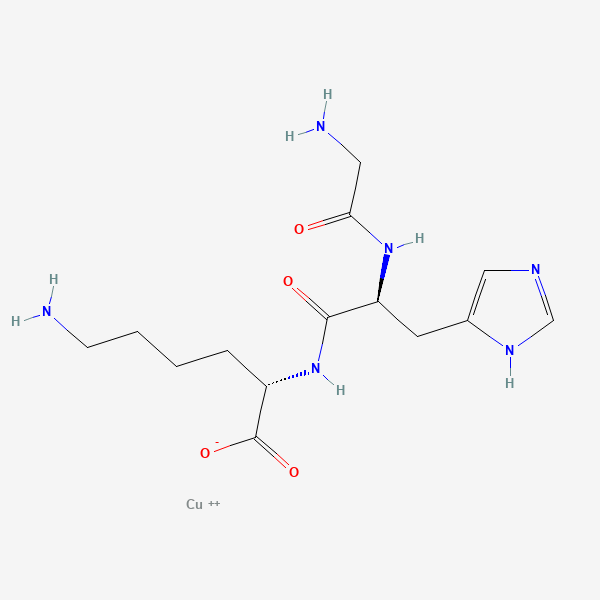
GHK-Cu shows up on Reddit in two very different rooms: skincare forums treating it as a topical anti-aging serum, and peptide forums where a smaller crowd reconstitutes and injects it. The shared verdict is cautious optimism — people like copper peptides for skin texture and firmness, argue about mixing it with vitamin C, and mostly can’t tell you how often it does nothing.
What Redditors use GHK-Cu for
GHK-Cu discussion splits cleanly by delivery method. In the skincare subs (r/SkincareAddiction, r/30PlusSkinCare), the goal is cosmetic: fewer fine lines, better firmness and tone, smoother texture, and fading scars or stretch marks, using an off-the-shelf copper-peptide serum. In the peptide subs (r/Peptides), a smaller group reconstitutes research-grade GHK-Cu powder and injects a milligram or two under the skin, chasing the same skin goals plus general “healing.” A quieter thread runs through hair-loss forums, where people add copper peptides hoping for thicker regrowth. The common denominator is skin repair, approached from opposite ends — a serum you smooth on, or a vial you draw up.
What users report
The recurring topical report is a slow, quiet improvement: softer texture and a bit more firmness over weeks to months, usually as one layer in a larger routine rather than a standalone hero. Injectable users describe similar skin and scar changes, sometimes faster, sometimes on stretch marks. But the honest pattern under the enthusiasm is patience and mixed results — plenty of people post that they noticed little or nothing, and the ones who saw nothing tend to quietly stop posting, which tilts the visible feedback rosier than reality (survivorship bias). None of this is data. It’s a pile of individual, uncontrolled experiences, and it can’t tell you the odds that GHK-Cu does anything for your skin specifically.
The concerns that come up most
GHK-Cu threads circle the same handful of worries. Sourcing and purity top the injectable side: research vials are unregulated, so people swap notes on which vendors third-party test and fret about sterility. Dosing confusion is close behind — how much to reconstitute, how much to draw, how often — because there is no approved human dose to anchor to. The skincare side has its own sourcing question, aimed at formulation rather than sterility: which serum, at what concentration, and whether enough intact copper peptide actually crosses the skin from a cream (a real open question the marketing tends to skip). But the loudest recurring skincare debate is whether copper peptides cancel out vitamin C: copper can speed the breakdown of ascorbic acid, and the two ingredients want very different pH, so the common advice is to simply use them at opposite ends of the day. Side effects people mention stay mild — irritation or redness topically, injection-site reactions with a needle — alongside a sensible reminder that piling on more copper is not automatically more repair.
Where Reddit is right — and where it’s off
Here is where the community lines up with the evidence, and where it gets ahead of it. Reddit is right that topical copper peptides are the better-supported use: small human cosmetic studies do report firmer, smoother-looking skin, and the collagen-and-repair mechanism is well mapped in cells. The skincare caution about vitamin C is chemically grounded, not folklore. Where Reddit runs ahead is the injectable-for-healing story. In our GHK-Cu profile, the topical and cosmetic evidence is deeper than the injectable-healing evidence: wound healing still rests on lab work, with the first proper human trial only now recruiting, and injected GHK-Cu has no long-term human safety record. The hair-regrowth hopes sit furthest out over the skis — mechanism-based optimism, not a demonstrated result. Copper peptides are a promising, well-studied cosmetic ingredient; they are not a proven injectable repair drug. You can see the whole skin-and-collagen family on the cosmetic peptides hub.
The honest bottom line
If you are reading GHK-Cu threads to decide whether to try it, the grounded takeaway is this: a topical copper-peptide serum is the low-risk, best-evidenced version, and the injectable route is the community-driven experiment where enthusiasm outpaces the human data. Reddit is a decent map of what people try and what to watch for — sourcing, the vitamin C timing, not overdoing copper — but it can’t grade evidence or protect you from a bad vial. For that, read the evidence-tiered GHK-Cu profile, which lays out exactly how strong, and how thin, the proof is for each use, then check how to spot quality peptides before buying anything.