BPC-157 vs GHK-Cu
BPC-157 vs GHK-Cu: one is studied for deep-tissue and gut repair, the other is a copper peptide for skin — how their evidence, uses and legal status compare.
BPC-157 and GHK-Cu get lumped together as “healing peptides,” but they play different positions. BPC-157 is a synthetic 15-amino-acid peptide studied mostly for deep-tissue injury repair — tendon, ligament and gut — and it’s injected. GHK-Cu is a naturally occurring copper peptide aimed at skin: collagen, tone, fine lines and scars, most often applied topically. They overlap in wound healing, which is why both show up in skin-and-healing stacks like GLOW, but the injury someone is trying to fix usually decides which one fits.
The honest throughline is that they carry different shapes of evidence, not just different amounts. GHK-Cu has more human data — but it’s small cosmetic studies for skin appearance, several of them uncontrolled or from researchers with commercial ties, and it’s the one you can legally buy as an over-the-counter serum. BPC-157’s efficacy evidence is animal-only, yet its rodent record on severed tendons and gut ulcers is one of the most replicated in the whole research-peptide space, with small human case reports and a Phase 2 trial finally recruiting. Neither has human randomized-controlled-trial proof for its headline use, and both should be treated as dated 2026 on the regulatory front. The by-goal picks below match the framing to your situation.
BPC-157 vs GHK-Cu, point by point
Every dimension side by side — the honest differences, not a scoreboard.
| Dimension | BPC-157 | GHK-Cu |
|---|---|---|
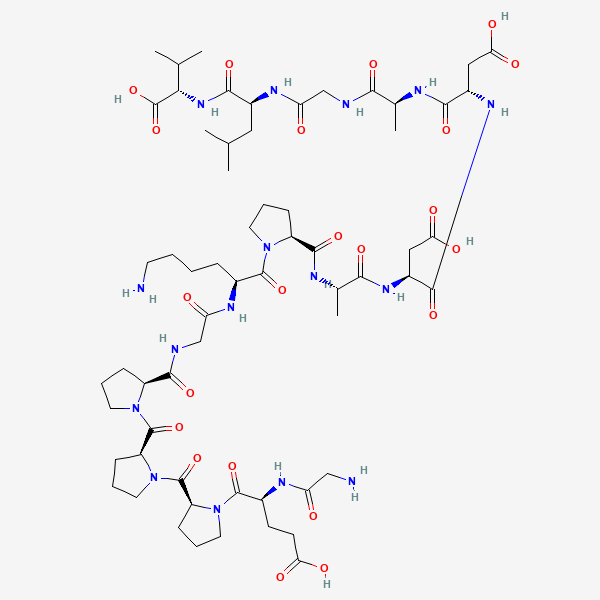
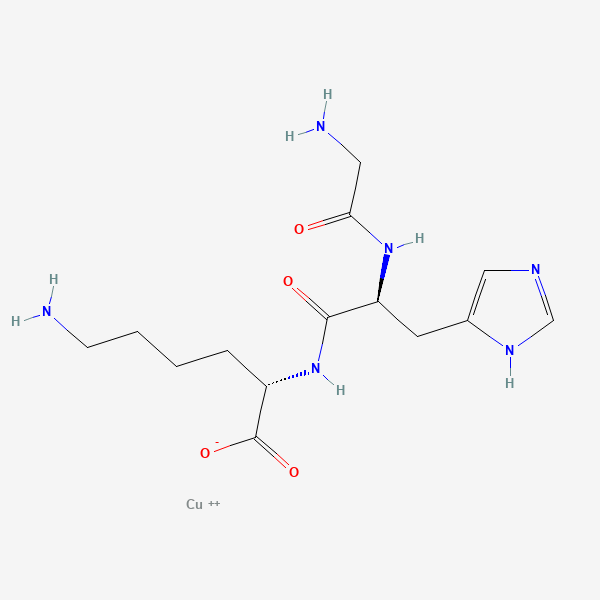
| What it is | A synthetic 15-amino-acid peptide based on a protein found in gastric juice. | A naturally occurring copper tripeptide — glycyl-histidyl-lysine bound to copper. |
| Primary focus | Deep-tissue injury repair — tendon, ligament and gut, where most of the animal work points. | Skin — collagen, tone, fine lines and scars; the cosmetic specialist of the two. |
| Proposed mechanism | Angiogenesis (new blood vessels) plus growth-factor and nitric-oxide signaling. | Carries copper into cells and switches on collagen, elastin and tissue-repair genes. |
| Best human evidence | Animal-only for efficacy, plus small human case reports; a Phase 2 hamstring-injury trial is now recruiting. | Small human cosmetic studies (firmer, smoother-looking skin); a Phase 2 topical wound-healing trial is recruiting. |
| US regulatory status (2026) | Research-use-only — not FDA-approved, not a supplement; the FDA flagged it as unsuitable for compounding in 2023. | Legal as the cosmetic ingredient copper tripeptide-1 (OTC skincare); injectable 'research' GHK-Cu is research-use-only. |
| Banned in sport | Yes — WADA S0 (non-approved substances), prohibited at all times. | Not named on the WADA list; topical use isn't a doping concern, but injected 'research' GHK-Cu could fall under S0 — verify before competing. |
- Primary focus: They overlap in wound healing, which is why both turn up together in skin-and-healing stacks like GLOW.
- Best human evidence: GHK-Cu has more human data, but for skin appearance and from small or industry-linked studies; BPC-157's efficacy evidence is deeper in animals yet human-thin. Neither has an RCT for its headline use.
- US regulatory status (2026): You can legally buy a GHK-Cu serum today; BPC-157 has no legal consumer form. Re-verify BPC-157's status after the July 2026 FDA advisory-committee outcome.
BPC-157 vs GHK-Cu: the two molecules
The 2D chemical structures, straight from PubChem — a quick way to see how similar (or not) the two actually are.
Which one fits which goal?
There's no universal winner here — the honest answer depends on what you're after. These picks are framed by goal, and each says why.
Skin — fine lines, tone, scars or stretch marks
Leans toward GHK-Cu
GHK-Cu is the skin specialist, with an in-cell collagen mechanism and small human cosmetic studies behind firmer, smoother-looking skin — plus a legal topical form you can actually buy.
A specific stubborn tendon, ligament or gut injury
Leans toward BPC-157
BPC-157's animal record centers on exactly this — localized soft-tissue and gut repair — and it's the one with small human case reports plus a registered Phase 2 injury trial underway.
A legal, no-needle option you can buy today
Leans toward GHK-Cu
As the cosmetic ingredient copper tripeptide-1, GHK-Cu is sold legally in over-the-counter serums; BPC-157 exists only as a research chemical with no legal consumer form.
The most-replicated healing evidence, even if it's animal
Leans toward BPC-157
BPC-157's rodent record on severed tendons and gut ulcers is one of the most replicated in the whole research-peptide space — a strong preclinical signal that's still awaiting human trials.
References
- 1.Gwyer et al., 2019 — BPC-157 and tissue/tendon healing (PubMed)
- 2.Pickart et al., 2015 — GHK peptide as a natural modulator of skin-regeneration pathways (PubMed)
- 3.BPC-157 — registered clinical studies (ClinicalTrials.gov)
- 4.Topical GHK-Cu gel for acute skin wound healing — registered Phase 2 trial (ClinicalTrials.gov, NCT07437586)
- 5.BPC-157 — indexed research (PubMed, National Library of Medicine)