GHK-Cu vs SNAP-8
GHK-Cu vs SNAP-8 compares a copper peptide for structural skin remodeling with a topical expression-line peptide—and grades the evidence behind each.
GHK-Cu vs SNAP-8 is not a contest between interchangeable wrinkle peptides: GHK-Cu is the evidence-stronger matrix-remodeling option for static, structural lines, while SNAP-8 is a mechanism-first topical aimed at dynamic expression lines. No trial has compared them directly, and no trial has shown that combining them creates a better serum.
What is the core difference between GHK-Cu and SNAP-8?
GHK-Cu and SNAP-8 aim at different parts of wrinkle formation. GHK-Cu is a copper-binding tripeptide—a three-amino-acid carrier tied to collagen and extracellular-matrix remodeling. SNAP-8 is a synthetic acetyl octapeptide designed around nerve-to-muscle signaling. One addresses the skin’s scaffolding; the other tries to turn down the repeated folding of that scaffolding.
GHK-Cu carries copper, a cofactor used by enzymes involved in connective tissue, and laboratory work maps effects on collagen, elastin, and matrix turnover. SNAP-8 is proposed to imitate part of SNAP-25, a protein in the SNARE complex that helps nerve endings release neurotransmitters. The theory is that less efficient release means a softer facial contraction. That theory is chemically plausible, but topical target engagement has not been demonstrated in people (cosmeceutical peptide review).
Which peptide fits dynamic vs static wrinkles?
GHK-Cu fits static wrinkles better; SNAP-8 fits dynamic wrinkles better—but “fits” describes mechanism, not a guaranteed result. Static lines remain visible when the face is resting because skin structure has changed. Dynamic lines deepen during a squint, smile, or frown because the skin repeatedly folds over contracting muscle. Many faces have both, which is why a single universal winner would be a silly trophy.
For static texture and structural support, the copper peptide vs snap 8 decision leans toward GHK-Cu. For movement-led crow’s feet or forehead creases, SNAP-8 is the more targeted concept. Readers comparing other matrix peptides can see GHK-Cu vs Matrixyl; readers focused on neuro-type cosmetics can compare SNAP-8 vs Syn-Ake.
What does the human research actually show?
GHK-Cu has the stronger human signal, but neither side supports a clean efficacy showdown. The GHK-Cu profile grades its headline cosmetic use human-observational because small topical studies reported improvements in firmness, texture, or fine lines. That grade is encouraging, not blanket proof: a randomized study with 13 completers after carbon-dioxide laser resurfacing found no objective between-group improvement in wrinkles, skin quality, or redness, although satisfaction favored the GHK-Cu regimen (Miller et al., 2006).
SNAP-8 remains mechanistic-hypothesis. Two indexed human papers involve acetyl octapeptide-3, but both test multi-ingredient microneedle products. A 2024 comparative patch study combined SNAP-8 with vitamin C derivative and another active, so its result cannot tell us what SNAP-8 did alone (Park et al., 2024). That is why GHK-Cu’s human-observational grade cannot cover SNAP-8 by association.
Does a GHK-Cu SNAP-8 serum prove the pair is synergistic?
A ghk-cu snap-8 serum combines two sensible mechanisms, but the bottle is not evidence of synergy. The pair makes formulation sense as a broad wrinkle strategy: GHK-Cu for structural remodeling and SNAP-8 for expression-linked creasing. The exact-pair PubMed search returned no study, and ClinicalTrials.gov returned no registered trial comparing or combining them. “Covers two targets” is supportable; “the ingredients boost each other” is not.
This is the gap most comparison pages skip. Combo serums are selling a mechanism pair, not a proven pair. Even if a finished serum improves skin, moisturizer, vehicle, concentration, penetration, and every other ingredient travel with the result. Without arms testing GHK-Cu alone, SNAP-8 alone, the combination, and vehicle, nobody can assign the improvement—or claim an added combination effect.
How quickly should each peptide work?
SNAP-8 is framed as the weeks-scale option, while GHK-Cu belongs to the months-scale conversation. Nerve-signaling effects, if topical SNAP-8 reaches the relevant tissue and works as proposed, should appear sooner than new collagen organization. Collagen synthesis and matrix remodeling are slower construction jobs. The biology supports different clocks, but it does not validate the precise countdowns printed on serum marketing.
For snap-8 vs ghk-cu, judge timeline claims by the evidence attached to the exact finished product. SNAP-8 has no validated single-ingredient onset, and GHK-Cu studies do not establish a universal month when a static line changes. Consistent photography, lighting, and facial expression matter more than squinting at the mirror on day nine. Our peptides for skin guide maps the broader cosmetic categories without pretending every peptide shares one timetable.
Are GHK-Cu and SNAP-8 FDA-approved?
Neither GHK-Cu nor SNAP-8 is an FDA-approved drug, although both can appear in cosmetic products in the United States. FDA does not preapprove ordinary cosmetic ingredients, apart from color additives. The claim matters: making wrinkles look less noticeable can be cosmetic, while claiming to alter collagen production or body structure can move a product into drug territory (FDA).
GHK-Cu also appears as injectable research powder, which is a separate lane: the profile classifies that form as research-use-only, with no approved human dose. SNAP-8’s site profile covers topical cosmetic use, not injection. This comparison therefore matches topical skincare formats; it does not turn research-vial practices into a skincare recommendation.
Which one should you choose by goal?
GHK-Cu is the by-goal pick for static lines, texture, and the stronger human evidence; SNAP-8 is the experimental pick for dynamic expression lines. A face with both wrinkle types may explain the appeal of a combined product, but the combination should be judged as an unproven formulation rather than a shortcut to certainty. The structured picks below keep those jobs separate.
The honest result of ghk-cu vs snap-8 is two different tools and two different evidence grades. GHK-Cu has a longer research trail and a modest human cosmetic signal. SNAP-8 has a focused neuro-type hypothesis with unanswered delivery and monotherapy questions. Pick the target first, then decide how much uncertainty you are willing to buy in a bottle.
GHK-Cu vs SNAP-8, point by point
Every dimension side by side — the honest differences, not a scoreboard.
| Dimension | GHK-Cu | SNAP-8 |
|---|---|---|
| Best-matched wrinkle type | Static, structural lines associated with collagen loss and dermal-matrix change. | Dynamic expression lines associated with repeated facial movement, such as crow's feet and forehead lines. |
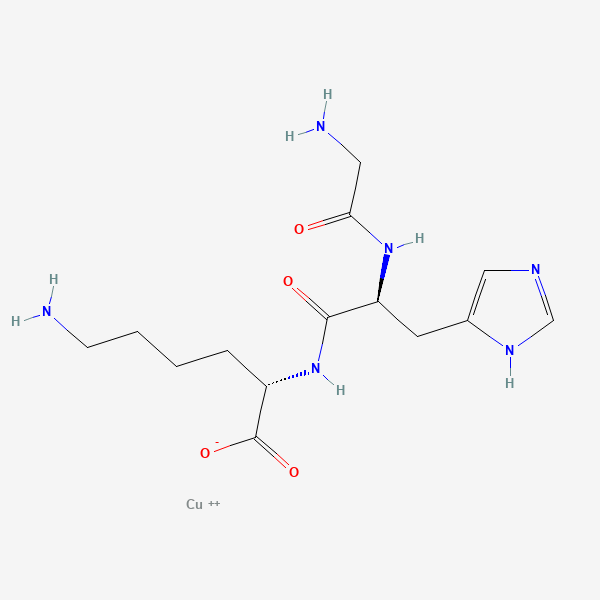
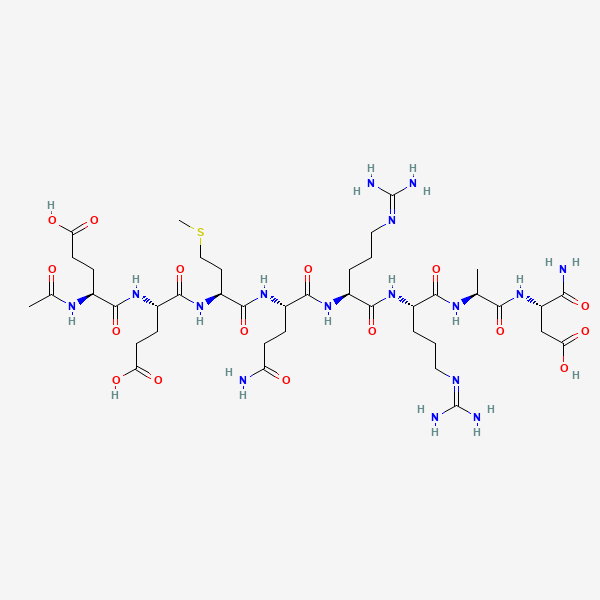
| What it is | A naturally occurring three-amino-acid peptide complexed with copper(II). | A synthetic acetylated eight-amino-acid cosmetic peptide. |
| Proposed mechanism | Carries copper and influences collagen, elastin, and extracellular-matrix remodeling signals. | Proposed to mimic part of SNAP-25 and interfere with SNARE-mediated neurotransmitter release, reducing the signal behind facial contraction. |
| Evidence for the headline skin use | Human-observational: encouraging small cosmetic studies, plus extensive cell and preclinical work; results are not uniformly positive. | Mechanistic-hypothesis: manufacturer data and multi-ingredient product studies do not establish that SNAP-8 alone reduces wrinkles. |
| Expected timeline | Matrix remodeling is a slow target, better judged over months than days. | Neuro-type cosmetic claims are usually assessed over weeks, but SNAP-8 has no validated single-ingredient onset. |
| US status (2026) | Copper tripeptide-1 can be sold in cosmetics; GHK-Cu is not an FDA-approved drug, and injectable research product is research-use-only. | Acetyl octapeptide-3 can be sold in cosmetics; SNAP-8 is not an FDA-approved drug. |
| Direct comparison or combination trial | None found against SNAP-8. | None found against GHK-Cu. |
- Best-matched wrinkle type: These are mechanism-matched targets, not proof that either peptide will erase that wrinkle type.
- Proposed mechanism: SNAP-8's topical neuromuscular mechanism remains a hypothesis; human studies have not confirmed target engagement in skin.
- Evidence for the headline skin use: The shared comparison badge uses SNAP-8's weaker tier so GHK-Cu's human grade does not spill over onto it.
- US status (2026): Cosmetic appearance claims and drug-like structure/function claims occupy different regulatory lanes.
- Direct comparison or combination trial: No trial has compared the two directly or shown that a combined serum outperforms either ingredient alone.
GHK-Cu vs SNAP-8: the two molecules
The 2D chemical structures, straight from PubChem — a quick way to see how similar (or not) the two actually are.
Which one fits which goal?
There's no universal winner here — the honest answer depends on what you're after. These picks are framed by goal, and each says why.
Static lines, texture, or structural skin support
Leans toward GHK-Cu
GHK-Cu is the mechanism-matched option for collagen and matrix remodeling, and it has the stronger—though still limited—human cosmetic evidence.
Dynamic expression lines without an injectable treatment
Leans toward SNAP-8
SNAP-8 is designed around the nerve-to-muscle signaling hypothesis, making it the more targeted idea for movement-driven lines; efficacy remains unproven for the ingredient alone.
Choosing the option with more human evidence
Leans toward GHK-Cu
GHK-Cu has small human cosmetic studies, while SNAP-8's published human studies use multi-ingredient products that cannot isolate its effect.
References
- 1.Miller et al., 2006 — topical GHK-Cu after CO2 laser resurfacing (randomized trial)
- 2.Errante et al., 2020 — cosmeceutical peptide mechanisms and evidence review
- 3.Park et al., 2024 — multi-ingredient microneedle patch containing acetyl octapeptide-3
- 4.GHK-Cu plus acetyl octapeptide-3 — indexed research search (PubMed)
- 5.FDA — wrinkle treatments and anti-aging product claims