SNAP-8 vs Syn-Ake
SNAP-8 vs Syn-Ake compares two topical expression-line peptides by mechanism, evidence, potency claims, safety, and the skincare goal each best fits.
SNAP-8 vs Syn-Ake is not a winner-takes-all matchup: both are topical expression-line peptides with different proposed targets and no published direct comparative trial. SNAP-8 aims at nerve-signal release machinery, while Syn-Ake aims at the muscle receptor receiving that signal. Neither has independent controlled human proof of wrinkle reduction.
What is the core difference between SNAP-8 and Syn-Ake?
SNAP-8 and Syn-Ake approach the same cosmetic goal from opposite ends of the nerve-to-muscle message. SNAP-8, or acetyl octapeptide-3, is designed to interfere with the machinery that releases the message. Syn-Ake, or dipeptide diaminobutyroyl benzylamide diacetate, is designed to interfere with the receptor that receives it.
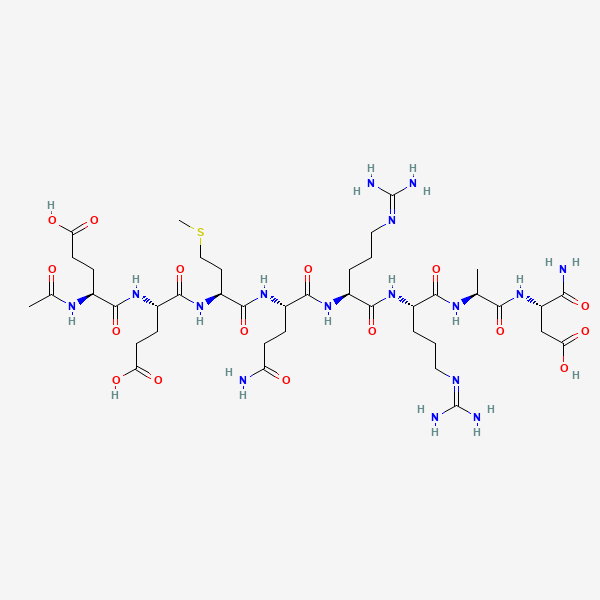
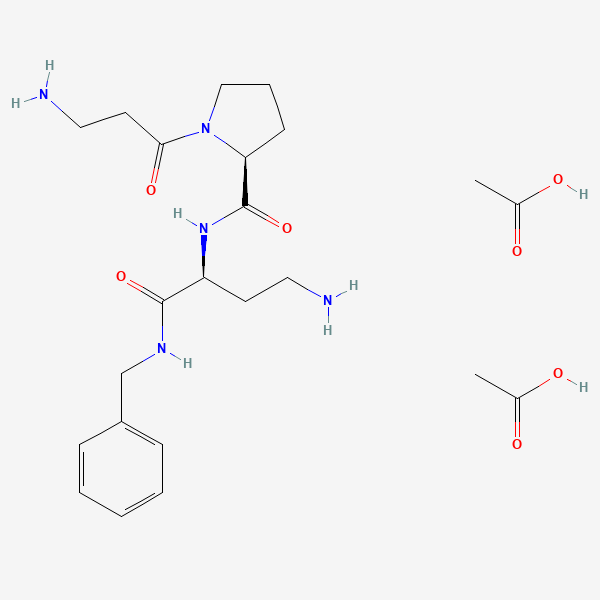
SNAP-8 contains eight amino acids and extends the six-amino-acid peptide Argireline by two residues. Syn-Ake is a smaller synthetic derivative inspired by waglerin-1, a Temple viper venom peptide. The venom connection is a design reference, not an ingredient list: Syn-Ake is made synthetically and contains no snake venom.
How do their proposed mechanisms compare?
SNAP-8 targets the proposed send side; Syn-Ake targets the proposed receive side. A nerve normally releases acetylcholine through a docking assembly called the SNARE complex, then acetylcholine binds a nicotinic receptor on muscle. Picture a parcel moving from a loading dock to a doorbell: SNAP-8 is meant to disrupt loading, while Syn-Ake is meant to make the doorbell less responsive.
SNAP-8 copies part of SNAP-25, one protein in that docking assembly. The hypothesis says the copy competes with native SNAP-25 and slightly reduces signal release. Syn-Ake borrows from waglerin-1, which blocks muscle-type nicotinic acetylcholine receptors. The extra leap for both compounds is topical delivery: a mechanism at a nerve or muscle matters only if enough active ingredient crosses intact skin and reaches that target.
What does the evidence actually show?
SNAP-8 and Syn-Ake both sit at mechanistic-hypothesis, None-in-humans, verdict unknown for topical wrinkle reduction. Manufacturer testing and in-vitro rationale can help select ideas for proper trials, but they do not replace independent, peer-reviewed controlled studies in people. No direct snap-8 vs syn-ake trial has been published; this weighs their separate evidence, not a fictional showdown.
For SNAP-8, the published case does not establish that a topical product reduces wrinkles through SNAP-25 competition. For Syn-Ake, waglerin-1 supports the receptor biology, but evidence for the venom peptide does not automatically prove that a cosmetic mimic reaches the same receptor or produces a visible human result. The evidence gap is open territory for testing, not proof that either compound failed.
Is SNAP-8 or Syn-Ake more potent?
Neither peptide can honestly be called more potent from the public human evidence. SNAP-8 is marketed as a stronger extension of Argireline, while Syn-Ake is marketed around a venom-mimetic receptor mechanism. Those claims come from different test systems and manufacturer materials, so placing their percentages side by side would create a comparison the research has not earned.
Molecular weight does not settle the question either. Syn-Ake is about 495.6 g/mol, compared with about 1,075.2 g/mol for SNAP-8, but smaller is not shorthand for “reaches facial muscle and works.” Formulation, stability, concentration, skin barrier condition, and the measured outcome all matter. For anyone asking snap 8 or syn ake based on potency alone, the honest column currently reads “unknown.”
Which peptide fits which skincare goal?
SNAP-8 fits the goal of staying within the Argireline/SNARE family; Syn-Ake fits curiosity about a different, receptor-blocking route. These are mechanism-based picks, not efficacy rankings. A reader who wants the option with the strongest independent human wrinkle trial should not treat either pick as meeting that standard yet.
Choose the SNAP-8 branch if the useful question is how an eight-amino-acid extension compares with its older six-amino-acid relative; the verified Argireline vs SNAP-8 comparison covers that directly. Choose the Syn-Ake branch if the receptor target and waglerin-1 design are the point of interest. The phrase syn-ake vs snap-8 reverses the names, not the evidence: the best choice still depends on which hypothesis you want to examine.
Are the safety and legal pictures different?
SNAP-8 and Syn-Ake have broadly similar practical status: both are leave-on cosmetic ingredients, not injected drugs, and both are legal to sell in US skincare as of 2026. Neither is an FDA-approved wrinkle drug. FDA treatment depends on the product’s intended use and claims, so “improves the appearance of lines” is not the same claim as medically changing muscle function.
The compound profiles describe local redness or irritation as the main practical concern and note the lack of long-term, peptide-specific human safety trials. The finished formula matters too; fragrance, preservatives, and other actives may be the actual irritant. Neither profile supplies a clinically validated concentration or dose, so product percentages should not be dressed up as research-backed dosing.
How do these peptides fit the wider cosmetic-peptide field?
SNAP-8 and Syn-Ake belong in the expression-line branch of the cosmetic peptide guide, but nearby peptides do different jobs. Argireline shares SNAP-8’s proposed SNARE target, while Matrixyl is positioned around skin-matrix signaling rather than nerve-to-muscle communication. That distinction prevents “peptide” from becoming one large, unhelpful bucket.
The Matrixyl vs SNAP-8 comparison separates matrix support from expression-line signaling. Argireline supplies the older reference point for both SNAP-8 comparisons. Under the site’s evidence-grading method, snap-8 vs syn ake remains a comparison of two plausible topical mechanisms awaiting independent human confirmation, with by-goal picks instead of a universal winner.
SNAP-8 vs Syn-Ake, point by point
Every dimension side by side — the honest differences, not a scoreboard.
| Dimension | SNAP-8 | Syn-Ake |
|---|---|---|
| What it is | Acetyl octapeptide-3, a synthetic 8-amino-acid extension of Argireline modeled on part of SNAP-25. | Dipeptide diaminobutyroyl benzylamide diacetate, a synthetic cosmetic peptide modeled on the venom peptide waglerin-1. |
| Proposed target | SNAP-25 and formation of the SNARE complex, the docking machinery involved in nerve-signal release. | The muscle-type nicotinic acetylcholine receptor, the receiving point for the nerve-to-muscle contraction signal. |
| Claimed route to softer expression lines | Compete with SNAP-25 and make neurotransmitter-release machinery less efficient. | Antagonize the muscle receptor that receives acetylcholine's contraction message, by analogy to waglerin-1. |
| Molecular size | Molecular weight about 1,075.2 g/mol; molecular formula C41H70N16O16S. | Molecular weight about 495.6 g/mol; molecular formula C23H37N5O7. |
| Human wrinkle evidence | No published independent controlled human trial establishes wrinkle reduction; the case relies on mechanism and manufacturer testing. | No published independent controlled human trial establishes wrinkle reduction; the case relies on mechanism, waglerin-1 analogy, and manufacturer testing. |
| Claimed potency | Promoted as a stronger Argireline extension, but that positioning is not confirmed by an independent head-to-head human trial. | Promoted as a venom-mimetic muscle-relaxing active, but its marketing figures are not directly comparable with SNAP-8 data. |
| Topical use and dosing evidence | Used in leave-on serums and creams; no clinically validated topical concentration or dose has been established. | Used in leave-on serums and creams; no clinically validated topical concentration or dose has been established. |
| US regulatory status (2026) | Legal as a cosmetic ingredient; unscheduled and not an FDA-approved drug. | Legal as a cosmetic ingredient; unscheduled and not an FDA-approved drug. |
- Proposed target: Both targets are proposed for the topical cosmetic ingredient; neither mechanism has been confirmed in a published human efficacy trial for the finished skincare use.
- Molecular size: Smaller does not automatically mean clinically effective skin penetration; published human delivery data do not establish that advantage here.
- Human wrinkle evidence: No trial has compared SNAP-8 and Syn-Ake directly; this page weighs their separate evidence.
- US regulatory status (2026): Cosmetic appearance claims and drug-like muscle-treatment claims occupy different regulatory territory.
SNAP-8 vs Syn-Ake: the two molecules
The 2D chemical structures, straight from PubChem — a quick way to see how similar (or not) the two actually are.
Which one fits which goal?
There's no universal winner here — the honest answer depends on what you're after. These picks are framed by goal, and each says why.
Staying within the Argireline and SNARE-targeting family
Leans toward SNAP-8
SNAP-8 is the direct 8-amino-acid extension of Argireline and follows the same proposed SNAP-25/SNARE mechanism.
Exploring the venom-mimetic receptor-blocking concept
Leans toward Syn-Ake
Syn-Ake is the option designed around waglerin-1 and the muscle-type nicotinic acetylcholine receptor rather than SNAP-25.
References
- 1.Acetyl octapeptide-3 — compound record (PubChem CID 76283482)
- 2.Dipeptide diaminobutyroyl benzylamide diacetate — compound record (PubChem CID 71465152)
- 3.SNAP-8 and Syn-Ake — indexed research search (PubMed)
- 4.Waglerin-1 and the muscle nicotinic acetylcholine receptor — indexed research (PubMed)
- 5.FDA — how cosmetics and cosmetic ingredients are regulated