GHK-Cu vs Syn-Ake
GHK-Cu vs Syn-Ake compares a copper signal peptide with a snake-venom mimic: different wrinkle targets, evidence tiers, and regulatory limits.
GHK-Cu vs Syn-Ake is not a contest between two versions of the same wrinkle peptide: GHK-Cu signals structural skin remodeling, while Syn-Ake is designed to soften movement-driven expression lines. No trial has compared them directly; this weighs their separate evidence, and Syn-Ake’s weaker, supplier-heavy record sets the shared evidence tier.
Is this really a head-to-head comparison?
GHK-Cu and Syn-Ake collide in marketing because both appear in anti-wrinkle serums, not because they solve the same biological problem. The useful split is dynamic versus static: Syn-Ake aims at repeated muscle movement, while GHK-Cu aims at the skin matrix that gives tissue its firmness and texture. A wrinkle peptide comparison that ignores that distinction starts with the wrong question.
Most ranking pages make the split, then rush to exact percentages, onset claims or dosing tables. That confidence is not earned. No published head-to-head trial tests syn-ake vs ghk-cu, and a topical percentage of a finished Syn-Ake raw material cannot be compared with milligrams from an unapproved GHK-Cu injection vial. The honest comparison is target, mechanism, delivery and evidence provenance.
The “snake venom peptide skincare” label also needs translating. Syn-Ake contains no snake venom. The synthetic ingredient is modeled on waglerin-1, a venom peptide from the Temple viper. GHK-Cu is a copper-binding tripeptide found naturally in humans, although cosmetic GHK-Cu is manufactured. Exotic label versus blue peptide makes good shelf copy; pharmacologically, they barely share a postcode.
How do GHK-Cu and Syn-Ake work differently?
GHK-Cu and Syn-Ake act on different layers of the wrinkle problem. GHK-Cu binds copper and influences collagen, glycosaminoglycans and enzymes that remodel the extracellular matrix, the protein scaffold beneath the skin. Syn-Ake is designed as a waglerin-1 mimic and proposed competitive antagonist at the muscle-type nicotinic acetylcholine receptor, the docking site for the nerve signal that tells muscle to contract.
GHK-Cu therefore fits the “static” side of the comparison: fine lines visible at rest, looser texture and structural change. A detailed review describes GHK-Cu stimulating both synthesis and breakdown of matrix components, which is remodeling rather than simply “adding collagen” (Pickart et al., 2015). Think renovation crew, not wrinkle spackle.
Syn-Ake fits the “dynamic” side: forehead lines, frown lines and crow’s feet made more visible by repeated expression. Waglerin-1 itself blocks the epsilon-containing form of the muscle nicotinic receptor (McArdle et al., 1999). The leap is assuming a topical mimic reaches the relevant receptor and produces the same useful effect in human facial skin. That has not been independently established, so the mechanism remains a hypothesis for Syn-Ake, not a clinical finding.
What does the human evidence actually show?
GHK-Cu has the stronger human signal, but neither side earns a clean clinical victory. Small cosmetic studies support possible improvements in firmness, texture and fine lines with copper-peptide products, while much of GHK-Cu’s detailed mechanism comes from cells and animals. Syn-Ake-specific wrinkle figures mostly originate in supplier materials rather than independent, controlled publications, which keeps Syn-Ake at the mechanistic-hypothesis tier.
A 2026 paper does evaluate a serum containing dipeptide diaminobutyroyl benzylamide diacetate, but the formula also contains acetyl hexapeptide-8, gluconolactone, niacinamide and laminaria extract. Its clinical studies lacked a control group, so improvements cannot be assigned to Syn-Ake alone (Zhu et al., 2026). That paper is evidence for a multi-ingredient serum, not independent proof that Syn-Ake works by itself.
This provenance check is where copper peptide vs syn ake comparisons usually wobble. A supplier test can help formulate a research question; it cannot quietly become an independent trial after being repeated across enough product pages. Before quoting any Syn-Ake percentage, check who ran the test, whether the full formula was tested, whether a control existed and whether the result was average or best-case. If those details are unavailable, leave the number on the shelf.
Which peptide fits which wrinkle goal?
GHK-Cu fits structural goals; Syn-Ake fits a narrowly defined, more experimental expression-line goal. For fine lines at rest, loss of firmness or uneven texture, GHK-Cu is the evidence-favored pick because matrix remodeling matches the problem and its published record is broader. For lines driven mainly by frowning or squinting, Syn-Ake is the mechanism-matched pick, with much lower confidence.
Neither pick is a universal winner. Dynamic lines eventually become etched into skin, so the categories overlap, and a finished formula may contain both ingredients. Combination does not prove synergy. It simply puts two different ideas in one bottle, while the rest of the formula, concentration, stability and skin delivery still determine what reaches its target.
For the wider context, see the guide to peptides for skin. Readers focused on neurotransmitter-style cosmetic peptides can compare SNAP-8 vs Syn-Ake; readers weighing muscle signaling against copper-driven remodeling can use Argireline vs GHK-Cu.
Are GHK-Cu and Syn-Ake FDA-approved?
GHK-Cu and Syn-Ake are not FDA-approved drugs for wrinkles. Both can appear in legally marketed cosmetics because the FDA generally does not pre-approve cosmetic products or ingredients, apart from color additives (FDA cosmetics guidance). That does not mean FDA tested either peptide for wrinkle efficacy, and drug-like treatment claims can change how a product is regulated.
GHK-Cu has a separate injectable lane that Syn-Ake does not. Research vials are not approved for human use, and the FDA’s current compounding-risk page says injectable GHK-Cu may pose immunogenicity risks from aggregation or peptide-related impurities, with limited human safety data (FDA, updated April 2026). Syn-Ake is used as a finished topical ingredient, not a peptide to reconstitute or inject.
What is the bottom line on ghk-cu vs syn-ake?
GHK-Cu is the better-supported pick for static, structural skin change; Syn-Ake is the mechanism-based pick for dynamic expression lines. The choice is by goal, not an overall podium. The most important difference is evidence quality: GHK-Cu has limited human cosmetic support, while Syn-Ake still needs an independent trial that isolates the ingredient and verifies its proposed action in human skin.
GHK-Cu vs Syn-Ake, point by point
Every dimension side by side — the honest differences, not a scoreboard.
| Dimension | GHK-Cu | Syn-Ake |
|---|---|---|
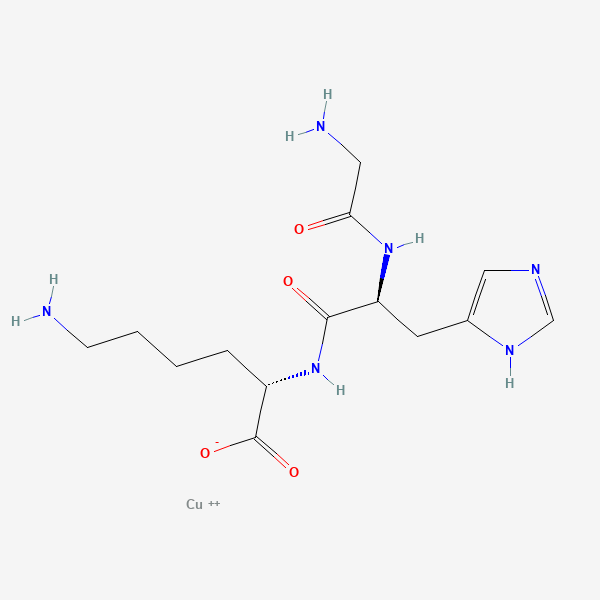
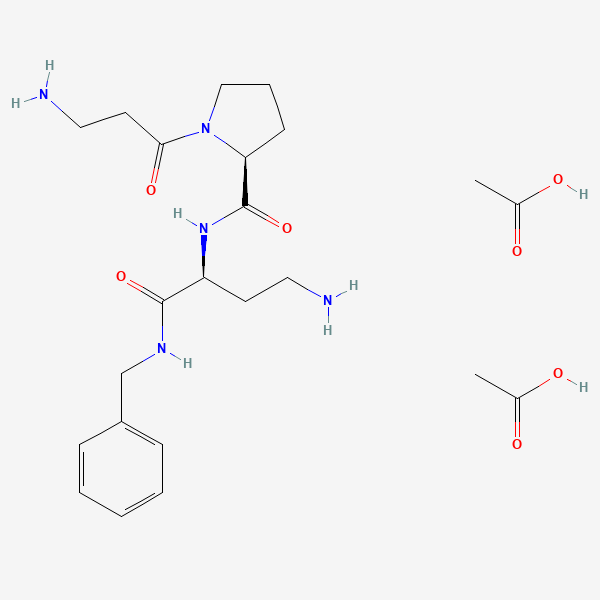
| What it is | A naturally occurring three-amino-acid peptide bound to copper(II), also made synthetically for skincare. | Dipeptide diaminobutyroyl benzylamide diacetate, a synthetic cosmetic peptide modeled on waglerin-1. |
| Primary wrinkle target | Static changes in skin structure: fine lines, firmness, texture and matrix remodeling. | Dynamic expression lines associated with repeated facial muscle contraction. |
| Proposed mechanism | Carries copper and signals collagen, glycosaminoglycan and extracellular-matrix remodeling. | Designed as a waglerin-1 mimic that competitively antagonizes the muscle-type nicotinic acetylcholine receptor. |
| Human efficacy evidence | Small cosmetic studies provide an encouraging but limited human signal; much of the mechanism comes from cell and animal work. | No independent peer-reviewed trial isolates Syn-Ake as the sole active; efficacy figures mostly trace to supplier data. |
| How products are used | Commonly topical; injectable research products also circulate, but there is no FDA-approved human injection dose. | Used topically inside finished serums and creams; not an injectable or reconstituted peptide. |
| US regulatory status (2026) | Legal as a cosmetic ingredient, but not FDA-approved as a drug; injectable GHK-Cu is unapproved and has limited human safety data. | Legal as a cosmetic ingredient, but not FDA-approved as a drug or wrinkle treatment. |
| Direct comparison | No head-to-head trial against Syn-Ake. | No head-to-head trial against GHK-Cu. |
- Primary wrinkle target: Dynamic lines can become static over time, but the proposed starting targets are different.
- Proposed mechanism: Syn-Ake's receptor action on living human skin has not been confirmed in an independent clinical trial.
- Direct comparison: This comparison weighs separate evidence and does not imply equal formulations, doses or study quality.
GHK-Cu vs Syn-Ake: the two molecules
The 2D chemical structures, straight from PubChem — a quick way to see how similar (or not) the two actually are.
Which one fits which goal?
There's no universal winner here — the honest answer depends on what you're after. These picks are framed by goal, and each says why.
Static fine lines, firmness or skin texture
Leans toward GHK-Cu
GHK-Cu targets extracellular-matrix remodeling and has the stronger, though still limited, human cosmetic evidence for structural skin change.
Dynamic forehead, frown or crow's-feet lines
Leans toward Syn-Ake
Syn-Ake was designed for movement-driven expression lines through proposed nicotinic-receptor antagonism, but this remains a mechanistic pick rather than a clinically proven winner.
Choosing the better-supported evidence base
Leans toward GHK-Cu
GHK-Cu has a broader published record and a small human cosmetic signal; Syn-Ake-specific efficacy still leans heavily on supplier-originated data.
References
- 1.Pickart et al., 2015 — GHK and skin-regeneration pathways
- 2.McArdle et al., 1999 — waglerin-1 blockade of the muscle nicotinic acetylcholine receptor
- 3.Zhu et al., 2026 — multi-ingredient serum containing dipeptide diaminobutyroyl benzylamide diacetate
- 4.FDA — cosmetic products and ingredients generally do not receive premarket approval
- 5.FDA — safety concerns for injectable GHK-Cu in compounding