KPV vs Larazotide for gut barrier research
KPV vs Larazotide compares an animal-only anti-inflammatory tripeptide with a human-tested tight-junction peptide whose Phaseundefinedtrial failed.
KPV vs Larazotide is inflammation control versus barrier control: KPV is an alpha-MSH-derived tripeptide studied only in cells and mice, while Larazotide is an oral tight-junction regulator tested in human celiac trials. No trial has compared them directly, and the by-goal choice turns on which mechanism and evidence record matters.
What is the core difference between KPV and larazotide?
KPV targets inflammatory signaling inside cells; larazotide targets the seams between intestinal cells. KPV enters intestinal and immune cells through the PepT1 transporter and suppresses NF-kB and MAPK signaling in preclinical work. Larazotide is a tight junction peptide designed to reduce paracellular permeability, meaning material slipping between cells. One turns down the alarm; the other tries to keep the door shut.
KPV is the three-amino-acid tail of alpha-melanocyte-stimulating hormone (alpha-MSH). The foundational study used cultured human intestinal and immune cells plus two mouse colitis models. KPV reduced inflammatory signaling and cytokine expression, but no person received KPV in that experiment (PubMed).
Larazotide is an eight-amino-acid oral peptide developed for celiac disease. Its delayed-release format was meant to work locally at the gut lining rather than circulate widely. That makes larazotide the more literal barrier compound; KPV is the inflammation compound that may indirectly protect the barrier.
Which peptide has stronger evidence?
Larazotide has the stronger evidence tier, but not the cleaner result. KPV remains animal-only for efficacy, with no controlled human trial. Larazotide reached randomized human trials: a 342-person Phase 2 study found that 0.5 mg three times daily improved its primary symptom endpoint, while the 1 mg and 2 mg arms did not (full paper). Then the larger test broke the story.
On June 21, 2022, 9 Meters Biopharma reported that the prespecified CeDLara Phase 3 interim analysis required an additional sample too large to justify continuing. The study was terminated (ClinicalTrials.gov; SEC-filed announcement). That is a failed confirmatory program, not “Phase 3 data” that can be waved around as a win.
This is the useful wrinkle in larazotide vs kpv: the compound with human randomized controlled trials also has the clearest negative signal. Evidence quality and evidence outcome are separate axes. Larazotide wins the first; it does not win the second.
Which compound fits which gut research goal?
KPV fits a preclinical inflammation question; larazotide fits a human-studied permeability or celiac question. That is a research-match distinction, not a recommendation for self-treatment. Neither compound has an FDA-approved gut indication, and broad claims about “leaky gut peptides” outrun what either program actually tested.
For NF-kB-driven intestinal inflammation, KPV is the closer mechanistic match. PepT1 uptake and anti-inflammatory effects were demonstrated in cells and mouse colitis models. The price of that fit is uncertainty: there is no established human benefit, dose, or safety profile.
For tight-junction regulation in celiac disease, larazotide is the closer match. Larazotide has direct human trial data and a better-described tolerability record, but the Phase 3 stop prevents a confident efficacy claim. Celiac disease was the tested condition; “general gut repair” is a much wider promise than the evidence supports.
How do the studied doses, routes, and safety compare?
Larazotide has a documented human study regimen; KPV does not have a clinically established human regimen. In Phase 2, adults with persistent celiac symptoms took 0.5, 1, or 2 mg orally three times daily, 15 minutes before meals, alongside a gluten-free diet. Only the 0.5 mg group met the primary endpoint, so “more is better” failed even before Phase 3 did.
KPV was added to drinking water in mouse colitis experiments, not tested as a human capsule or injection. Online KPV amounts are community practice, not clinical dosing evidence. Converting the mouse work into a human protocol would be guesswork.
Larazotide adverse events were comparable with placebo in the Phase 2 trial, with no drug-related serious adverse events reported. KPV lacks equivalent human safety data. Larazotide therefore has the better safety dataset, but neither an approved product nor long-term post-market surveillance exists.
Does a BPC-157, KPV, and larazotide gut stack have evidence?
The combination has no controlled human trial, so a bpc kpv larazotide protocol is a mechanism-based stack, not an evidence-based regimen. The pitch sounds tidy: BPC-157 for repair, KPV for inflammation, and larazotide for tight junctions. Three different jobs do not automatically produce one effective or safe combination. Biology is rude that way.
No trial has established a combined dose, timing schedule, interaction profile, or benefit over any component alone. Larazotide’s failed Phase 3 also cannot be rescued by placing it beside two less-tested peptides. Readers researching that popular stack should start with the evidence map in peptides for gut health and the separate BPC-157 vs KPV comparison, then keep combination claims in the anecdotal bucket.
What is the US regulatory status in 2026?
Neither KPV nor larazotide is FDA-approved as of July 16, 2026. Larazotide remains investigational after its celiac program stopped. KPV is not an approved drug, and its compounding position is actively moving: FDA’s July 2026 briefing proposes that KPV and KPV acetate not be added to the 503A Bulks List, with committee discussion scheduled for July 23 (FDA briefing).
That proposal is not yet a final committee outcome, so calling the July 23 decision settled would be premature. It does show why “available from a clinic” and “FDA-approved” are not synonyms. The first is a sales fact; the second is a regulatory one.
What is the bottom line on kpv vs larazotide?
kpv vs larazotide has no universal winner. Pick KPV for a preclinical question about PepT1 uptake and inflammatory signaling; pick larazotide for a question grounded in human celiac or tight-junction research. Larazotide has much better human evidence and a failed pivotal program. KPV has a coherent mechanism and no human efficacy trial. Both halves of each sentence matter.
KPV vs Larazotide for gut barrier research, point by point
Every dimension side by side — the honest differences, not a scoreboard.
| Dimension | KPV | Larazotide for gut barrier research |
|---|---|---|
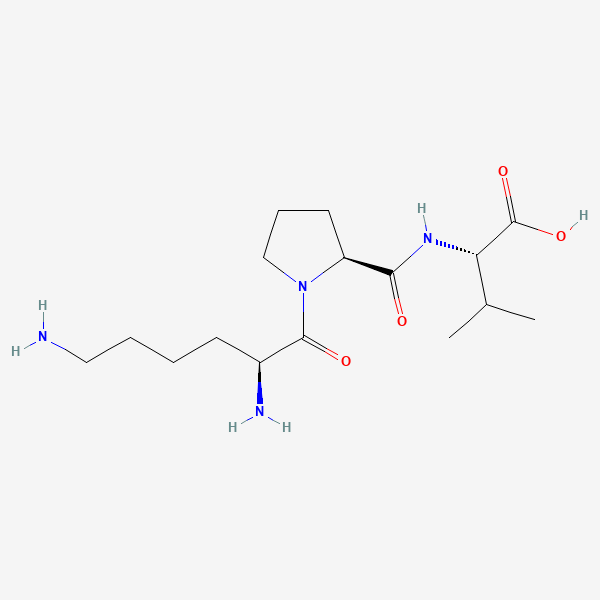
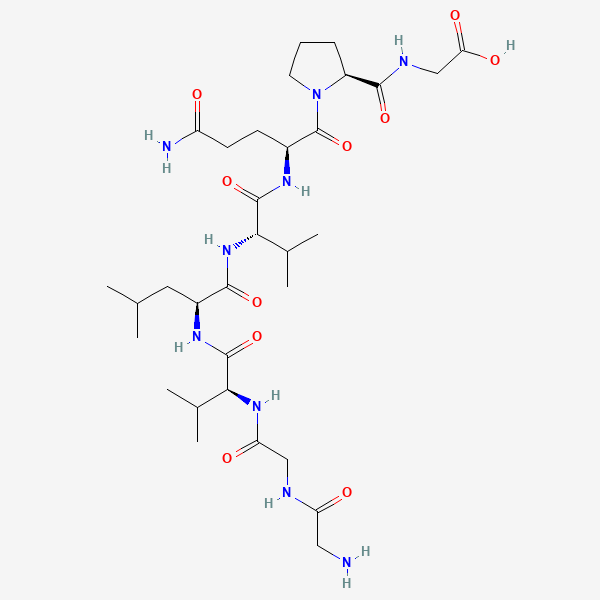
| What it is | An alpha-MSH-derived tripeptide: lysine-proline-valine (KPV). | A synthetic eight-amino-acid peptide, also called larazotide acetate or AT-1001. |
| Primary research target | Inflammatory signaling inside intestinal and immune cells, especially NF-kB and MAPK pathways. | The tight junctions between intestinal lining cells, through the proposed zonulin pathway. |
| How it reaches the target | PepT1 transports the small tripeptide into cells in preclinical models. | Delayed-release oral capsules were designed to act locally at the intestinal lining with minimal systemic absorption. |
| Best efficacy evidence | Cell experiments and two mouse colitis models; no controlled human efficacy trial. | Randomized human celiac trials, including a positive 0.5 mg Phase 2 arm, followed by a failed Phase 3 program. |
| Human trial dose and route | No clinically established human dose or route. | Phase 2 studied 0.5, 1, and 2 mg orally three times daily, 15 minutes before meals; only 0.5 mg met the primary endpoint. |
| Safety certainty | Essentially no controlled human safety data. | Adverse events were comparable with placebo in Phase 2, but there is no approved-product or post-market record. |
| US regulatory status (July 2026) | Not FDA-approved; FDA was proposing not to include KPV or KPV acetate on the 503A Bulks List at its July 23, 2026 meeting. | Investigational and not FDA-approved; the celiac Phase 3 program was discontinued in 2022. |
- Best efficacy evidence: No trial has compared KPV with larazotide directly; this comparison weighs their separate evidence.
KPV vs Larazotide for gut barrier research: the two molecules
The 2D chemical structures, straight from PubChem — a quick way to see how similar (or not) the two actually are.
Which one fits which goal?
There's no universal winner here — the honest answer depends on what you're after. These picks are framed by goal, and each says why.
Studying PepT1-mediated intestinal inflammation in a preclinical model
Leans toward KPV
KPV directly matches that research question: PepT1 uptake, NF-kB suppression, and reduced inflammation were tested in intestinal cells and mouse colitis models.
Studying tight-junction regulation in human celiac disease
Leans toward Larazotide for gut barrier research
Larazotide was built for this target and has randomized human celiac data, although its failed Phase 3 prevents a positive clinical verdict.
Prioritizing actual human tolerability data
Leans toward Larazotide for gut barrier research
Larazotide has placebo-controlled human safety observations; KPV does not. That is a safety-data advantage, not proof of efficacy.
References
- 1.PepT1-mediated tripeptide KPV uptake reduces intestinal inflammation
- 2.Larazotide acetate for persistent celiac symptoms: randomized controlled trial
- 3.CeDLara Phase 3 larazotide study (NCT03569007)
- 4.9 Meters Biopharma: CeDLara interim analysis did not support continuation
- 5.FDA briefing document for the July 2026 Pharmacy Compounding Advisory Committee meeting