Thymosin Alpha-1 vs Thymulin
Thymosin Alpha-1 vs Thymulin: a no-hype comparison of molecule, mechanism, human evidence, research dosing, and unsettled US compounding status.
Thymosin Alpha-1 vs Thymulin is a comparison of two thymus-linked immune peptides, not two versions of the same drug. Thymosin alpha-1 is a defined 28-amino-acid peptide with randomized human trials and foreign drug approvals; thymulin is a zinc-dependent nine-amino-acid hormone supported mainly by older human observations. No clinical trial has compared them directly.
What is the thymus peptide difference?
Thymosin alpha-1 and thymulin come from the same immunological neighborhood but belong to different molecular families and different research eras. Thymosin alpha-1 was isolated from calf-thymus fraction 5 in 1977, then traced to the larger precursor prothymosin alpha. Thymulin, first known as facteur thymique serique or FTS, is a nonapeptide secreted by thymic epithelial cells. Shared address; different mail.
The size gap is concrete: thymosin alpha-1 contains 28 amino acids, while thymulin contains nine. Thymulin also needs a zinc ion to take on its biologically active form. In human zinc-depletion research, active serum thymulin fell and recovered after zinc repletion. That study measured the body’s own hormone activity; it did not test injected thymulin as an immune-enhancement drug.
This is the most useful thymus peptide difference because it prevents a common category error. The compounds are not interchangeable, and “thymic” does not describe one shared mechanism.
How do thymosin alpha-1 and thymulin work?
Thymosin alpha-1 works mainly as a broader immune coordinator, while thymulin is more closely tied to thymic endocrine signaling and T-cell development. Laboratory studies connect thymosin alpha-1 to Toll-like receptors, dendritic cells, and downstream T-cell responses. Thymulin helps immature T cells acquire functional characteristics, but only the zinc-bound complex is active.
Thymosin alpha-1 can be pictured as improving communication among immune scouts and responders. A dendritic-cell study found TLR9-dependent signaling that balanced inflammatory defense with immune tolerance. Thymulin is closer to one of the thymus gland’s training signals: zinc completes the working molecule, and the signal helps shape developing T cells.
The search variation thymulin vs thymosin alpha 1 often produces tidy receptor tables. The honest version has rough edges. Thymosin alpha-1 has mapped Toll-like-receptor pathways, but its effects vary by disease and immune state. Thymulin’s exact receptor and a useful injected dose-response in humans remain unresolved.
Which peptide has stronger human evidence?
In thymosin alpha-1 vs thymulin, thymosin alpha-1 has the stronger clinical record by a wide margin, but that does not make it a winner for every goal. Human randomized trials have studied thymosin alpha-1 across chronic hepatitis, sepsis, vaccination, and other adjunctive settings. Results are mixed and indication-specific. Thymulin’s human evidence mainly observes natural hormone levels, zinc dependence, aging, and illness rather than testing modern peptide treatment.
The comparison therefore carries a Human observational badge, the weaker tier. Giving both cards thymosin alpha-1’s Human RCT badge would quietly upgrade thymulin beyond its evidence. That small design choice matters more than another list of theoretical cytokines.
No clinical trial has tested thymosin alpha-1 against thymulin. One mouse study exposed both compounds in a tumor model, but a mouse experiment is not a human head-to-head trial. This page weighs their separate records instead. Anyone claiming proven synergy, superiority, or an evidence-based combined protocol is moving beyond the verified literature.
What doses have researchers used?
Thymosin alpha-1 has condition-specific human dosing records; thymulin does not have a comparable modern regimen for general immune or longevity use. FDA’s literature review found 1.6 mg by subcutaneous injection was the most common thymosin alpha-1 dose in clinical studies. Foreign Zadaxin labeling also uses 1.6 mg twice weekly for particular approved uses.
Those numbers describe research and overseas labeling, not a personal protocol. Disease, schedule, co-treatment, and product quality all change the context.
Thymulin’s older literature does not establish a standard dose for a healthy person seeking an “immune boost.” The absence is useful information. Copying a vendor’s milligram schedule into a comparison would create certainty the clinical record does not supply.
What is the US regulatory status in 2026?
Neither compound is FDA-approved in the United States, and thymosin alpha-1’s compounding position is not the settled green light many sales pages imply. FDA found that thymosin alpha-1 has no applicable USP/NF monograph and is not a component of an FDA-approved drug. FDA then recommended against placing both the free base and acetate on the 503A Bulks List.
The Pharmacy Compounding Advisory Committee voted 17–4 against including each form in December 2024. FDA’s current safety page lists the nomination as withdrawn and flags concerns about immunogenicity, peptide impurities, and characterization. A final list decision is FDA’s, not the committee’s, but “available from a 503A pharmacy” and “qualifies for the 503A exemption” are not interchangeable claims.
Zadaxin is a different regulatory story abroad. FDA’s review documented thymosin alpha-1 products authorized or registered in Italy, India, Hong Kong, and Indonesia, including hepatitis B labeling in some markets. In a zadaxin vs thymulin comparison, Zadaxin has actual foreign medicine labels; thymulin has no comparable approval and remains research-use-only in this reference.
Which peptide fits which goal?
Thymosin alpha-1 fits questions that require the deeper human trial record or a regimen documented in foreign product labeling. Thymulin fits narrower research questions about zinc-dependent thymic hormone activity and age-related thymic endocrine output. Neither is the right pick for someone requiring an FDA-approved US treatment, because neither meets that condition.
That is why the by-goal picks avoid a universal winner. A clinical-evidence question favors thymosin alpha-1. A zinc-thymulin biology question favors thymulin. A healthy-person immune-enhancement question remains unanswered for thymulin, while thymosin alpha-1’s trial results cannot be detached from the conditions and co-treatments actually studied.
For the wider context, see peptides studied for immune-system questions and the immune peptide hub. With these thymic peptides compared, the site also completes the thymic triangle alongside thymalin vs thymosin alpha-1 and thymalin vs thymulin: three thymus-linked names, three materially different products, and no sensible one-size-fits-all ranking.
Thymosin Alpha-1 vs Thymulin, point by point
Every dimension side by side — the honest differences, not a scoreboard.
| Dimension | Thymosin Alpha-1 | Thymulin |
|---|---|---|
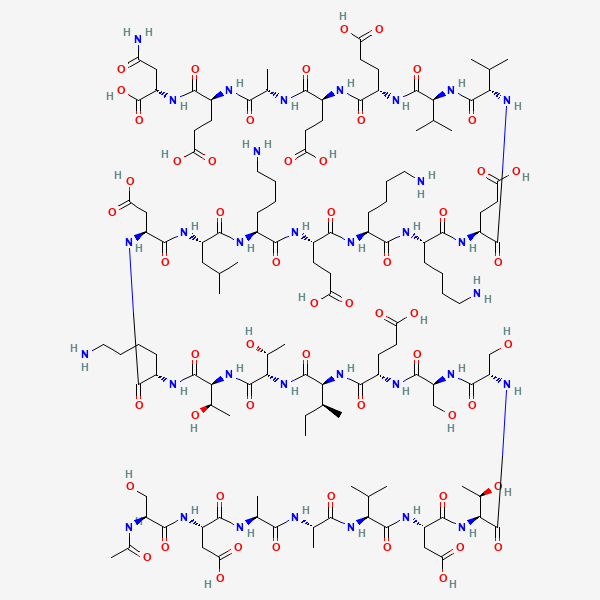
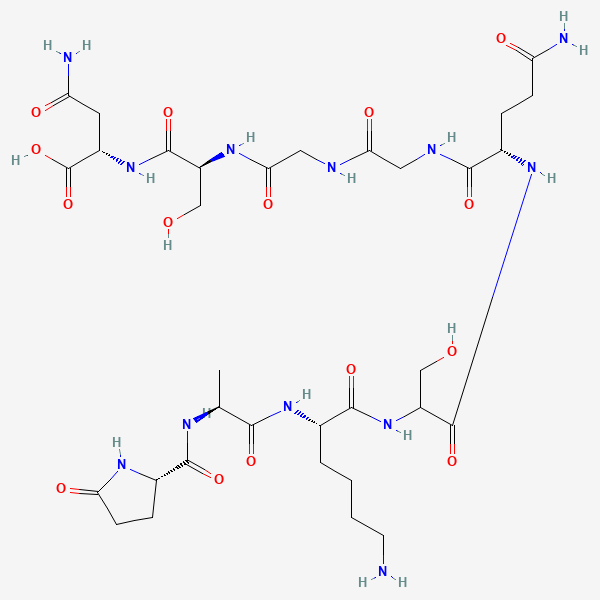
| Molecule | A defined, N-terminally acetylated peptide of 28 amino acids, originally isolated from calf-thymus fraction 5 in 1977 and later identified as a fragment of prothymosin alpha. | A nine-amino-acid thymic hormone, formerly called serum thymic factor (FTS), that becomes biologically active only after binding zinc. |
| Main biological emphasis | Toll-like-receptor signaling, dendritic-cell maturation, and coordinated T-cell and natural-killer-cell responses. | T-cell differentiation and thymic endocrine signaling; the exact receptor and human dose-response remain incompletely characterized. |
| Human evidence | Human RCT evidence with mixed, condition-specific results across hepatitis, infection, sepsis, and other adjunctive uses. | Human-observational evidence for thymic and zinc biology; modern trials of injected thymulin for healthy immune enhancement are lacking. |
| Research and labeled dosing | The most common dose in FDA's clinical-literature review was 1.6 mg subcutaneously; foreign Zadaxin labeling includes 1.6 mg twice weekly for specific indications. | No standardized modern clinical regimen supports injecting thymulin for general immune or longevity goals. |
| Foreign drug status | Thymalfasin is sold as Zadaxin; FDA documented authorizations in Italy and India and registration in Hong Kong and Indonesia. | No comparable approved thymulin medicine was identified. |
| US regulatory status (2026) | Not FDA-approved. FDA found no USP/NF monograph or approved-drug component and recommended against adding the free base or acetate to the 503A Bulks List; the advisory committee voted 17-4 against each. | Not FDA-approved and carried by this reference as research-use-only, with no approved indication. |
- Molecule: Same gland, different molecules: thymosin alpha-1 is not a longer form of thymulin.
- Human evidence: The shared badge uses thymulin's weaker tier. No clinical trial has compared the two directly.
- Research and labeled dosing: These are study and foreign-label facts, not a personal dosing recommendation.
- US regulatory status (2026): Compounded drugs are not FDA-approved. A nomination or pharmacy listing does not establish that a bulk substance qualifies under 503A.
Thymosin Alpha-1 vs Thymulin: the two molecules
The 2D chemical structures, straight from PubChem — a quick way to see how similar (or not) the two actually are.
Which one fits which goal?
There's no universal winner here — the honest answer depends on what you're after. These picks are framed by goal, and each says why.
Choosing the compound with the stronger clinical evidence base
Leans toward Thymosin Alpha-1
Thymosin alpha-1 has randomized human trials, condition-specific clinical dosing, and foreign product labels; thymulin's headline tier is human-observational.
Studying zinc-dependent thymic hormone activity
Leans toward Thymulin
Thymulin is the zinc-dependent nonapeptide, and human zinc-depletion work directly measured changes in its biological activity.
Studying age-related thymic endocrine output
Leans toward Thymulin
Human observational research has mapped thymulin levels across age groups, making thymulin the more direct molecule for this research question.
Using a regimen documented in a medicine's foreign label
Leans toward Thymosin Alpha-1
Zadaxin has condition-specific foreign labels; thymulin has no comparable approved product or standardized modern clinical regimen.
References
- 1.Thymosin alpha-1: isolation and sequence analysis of an immunologically active thymic polypeptide
- 2.Serum thymulin in human zinc deficiency
- 3.Distribution of age-related thymulin titres in normal subjects through the course of life
- 4.FDA evaluation of thymosin alpha-1-related bulk drug substances for the 503A Bulks List
- 5.FDA Pharmacy Compounding Advisory Committee minutes, December 4, 2024