Also known as: PGT/1A · 3-L-pyroglutamyl-L-thiazolidine-4-carboxylic acid
Human RCTMixed
On this page
- What is pidotimod?
- How does pidotimod work?
- What does the human evidence show?
- Is pidotimod for kids?
- What pidotimod dosage was studied?
- What are pidotimod side effects?
- Is pidotimod available in the US?
- Evidence by outcome
- FDA & legal status
- Reported side effects
- Chemical identifiers
- References
- Related compounds
Pidotimod is an oral, synthetic dipeptide-like immunostimulant—not a true peptide—used in Italy for respiratory and urinary infections but not FDA-approved or legally marketed as a drug in the United States. Human trials in children with recurrent respiratory infections lean positive, although weak methods and inconsistent reporting make the overall verdict mixed-to-helped.
What is pidotimod?
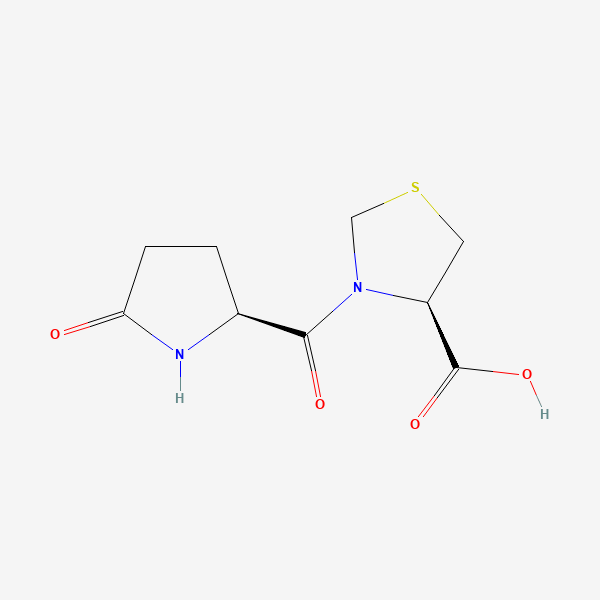
Pidotimod is a small synthetic molecule designed to nudge immune responses, not an antibiotic and not a true peptide. Its formula is C9H12N2O4S, molecular weight is 244.27 g/mol, and CAS number is 121808-62-6. The formal name is (R)-3-[(S)-(5-oxo-2-pyrrolidinyl)carbonyl]-thiazolidine-4-carboxylic acid. PubChem identifies the same compound as CID 65944.
“Immunostimulant peptide” is a common description, but the chemistry deserves an asterisk. Pidotimod resembles a dipeptide because two amino-acid-like pieces are joined together; it is not a conventional peptide chain with a meaningful amino-acid sequence.
How does pidotimod work?
Pidotimod appears to change how immune cells move and signal, although researchers have not mapped one complete clinical mechanism. In experiments using human monocytes and activated T cells, pidotimod produced chemokine-like activity through CXCR3, a receptor involved in directing immune-cell traffic (PMID 31653015). Think of that as adjusting where immune responders assemble, not directly attacking a germ.
Those cell findings explain the hypothesis, not a clinical benefit by themselves. The immune peptides and compounds hub separates mechanisms from outcomes, while the guide to peptides for the immune system places pidotimod beside other approaches.
What does the human evidence show?
Pidotimod has more human trial data than most compounds in this catalog, but volume and quality are different questions. A randomized, double-blind multicentre study enrolled 748 children at 69 Italian centers. After 60 days of treatment and 90 days of follow-up, the pidotimod group had fewer recurrent respiratory episodes and used fewer antibiotics and symptom medicines than placebo (PMID 7857353).
A separate 120-child randomized, double-blind trial tested pidotimod alongside antibiotics during an acute episode, then continued pidotimod or placebo alone. The treated group recorded 40 relapses versus 149 with placebo during maintenance. Hospital stays and antibiotic use were also shorter. Those are direct human outcomes, not mouse-to-child extrapolation.
The catch is trial quality. A 2019 meta-analysis of 29 RCTs and 4,344 children found fewer or shorter infections and no overall rise in adverse events. Yet only eight trials were double-blind and placebo-controlled, appropriate randomization was reported in 15, and just one described allocation concealment. The signal leans helped; confidence stays mixed. That is why the badge says human RCT without pretending all RCTs are equally sturdy. Our evidence-grading guide explains the difference.
One newer result remains missing. The Phase 4 P-CRESCENT study randomized 338 children and finished in November 2021, but ClinicalTrials.gov lists no posted results as of July 16, 2026. An unpublished result cannot strengthen either side of the verdict.
Is pidotimod for kids?
Pidotimod for kids has real pediatric evidence and an Italian prescription history, but it is not a U.S.-approved pediatric treatment. The trials studied children with recurrent infections—not every child who catches ordinary colds—and the older Italian authorization concerned documented cell-mediated immune depression during respiratory or urinary infections. “Immune booster” is a much broader promise than the evidence supports.
The practical point is jurisdiction. A medicine prescribed to children in Italy does not become an American over-the-counter supplement by crossing a border or appearing online. U.S. parents do not have an FDA-reviewed pediatric label covering age, formulation, interactions, or monitoring.
What pidotimod dosage was studied?
Pidotimod dosage in the 120-child trial was oral 400 mg twice daily for 15 days, followed by 400 mg once daily for 60 days. The children were ages 2 to 8, were hospitalized with an acute relapse, had at least six infections in the previous six months, and received amoxicillin/clavulanate during the first 15 days. That context is part of the result, not fine print.
The Phase 4 trial used 400 mg once daily without infection or twice daily during infection, for up to 60 days. These are study doses, not a personal protocol. There is no FDA-approved pidotimod dosage or label in the United States.
What are pidotimod side effects?
Pidotimod side effects looked uncommon in the short trials, but the safety record is not complete enough to rule out rare or long-term harm. In the 120-child trial, five pidotimod recipients reported mild events including nausea, vomiting, headache, or rash; seven placebo recipients also reported events, and investigators did not attribute them to treatment. No participant withdrew for an event.
The 2019 meta-analysis found no significant increase in adverse events overall (risk ratio 1.05, 95% confidence interval 0.72 to 1.54). That is reassuring for short pediatric courses. It does not answer long-term use, rare allergic reactions, pregnancy, drug interactions, or the quality of products sold outside regulated pharmacy channels.
Is pidotimod available in the US?
Pidotimod is not FDA-approved and is not legally marketed as a drug for human use in the United States as of July 16, 2026. FDA explains that new drugs generally must be shown safe and effective before marketing and that Drugs@FDA and the Orange Book identify approved products; pidotimod has no U.S. approval or DailyMed prescribing label (FDA).
Italy took a different path. The Italian Official Gazette authorization effective January 16, 1993 covered prescription pidotimod products for respiratory and urinary infections in people with documented cell-mediated immune depression. A 2022 Italian notice modified a pidotimod product authorization, confirming that this is not merely a vanished historical footnote.
That split is the real story. The public FDA record shows no American approval, while much of the positive evidence came from older non-U.S. trials whose reporting now invites hard questions. Different regulatory histories left a compound with substantial human use abroad and no legal U.S. drug market. The regulatory status reference keeps those concepts separate.
The 2026 WADA Prohibited List does not name pidotimod. Because the list can prohibit classes without naming every substance, athletes should still check their anti-doping authority rather than treating silence as a permanent clearance.
Evidence by outcome
Each outcome Pidotimod has been studied for, with the honest evidence grade and what the studies actually found. A tier never stands alone — the verdict rides with it.
| Outcome | Evidence | What was found |
|---|---|---|
| Recurrent respiratory tract infections in children | Human RCTMixed | Randomized pediatric trials generally favored pidotimod for fewer or shorter respiratory infections. A 29-trial meta-analysis also leaned positive, but only eight trials were double-blind and placebo-controlled, and allocation concealment and randomization methods were often weak. |
| Relapses and recovery during recurrent respiratory infections | Human RCTHelped | A 748-child placebo-controlled multicentre trial reported fewer recurrent episodes during treatment and follow-up. A separate 120-child trial found fewer relapses and shorter antibiotic use and hospitalization, although both studies were published in 1994 and reporting falls short of modern standards. |
FDA & legal status
- United States: research use only (as of Jul 2026)
Pidotimod is not FDA-approved and has no U.S. prescribing label. It cannot be legally marketed as a drug for human use in the United States; a research-use label does not make it a medicine.
Reported side effects
| Effect | Frequency | Severity |
|---|---|---|
| Nausea, vomiting, headache, or skin rash reported during one pediatric trial | 5 of 60 pidotimod recipients in the 120-child trial | Mild; investigators did not attribute the events to pidotimod |
Chemical identifiers
References
- 1.PubChem Compound Summary — Pidotimod (CID 65944)
- 2.Careddu, 1994 — 748-child randomized placebo-controlled trial (PMID 7857353)
- 3.Caramia et al., 1994 — 120-child randomized placebo-controlled trial
- 4.Niu et al., 2019 — meta-analysis of 29 pediatric RCTs (PMID 30530167)
- 5.P-CRESCENT Phase 4 pediatric trial — NCT04322669
- 6.Italian Official Gazette — 1993 pidotimod authorization
- 7.FDA — Unapproved Drugs
- 8.2026 WADA Prohibited List