Also known as: Glu-Trp · Glutamyltryptophan · L-alpha-glutamyl-L-tryptophan · Oglufanide · IM862 · Timogen
Animal-onlyUnclear⚠ none in humans
On this page
- What is thymogen?
- How does the Glu-Trp dipeptide work?
- What does the thymogen immune research show?
- Is thymogen safe? What are the risks?
- Is thymogen FDA-approved or legal in 2026?
- How has thymogen been used in research?
- Thymogen vs thymalin: what is the difference?
- Evidence by outcome
- FDA & legal status
- Chemical identifiers
- References
- Related compounds
Thymogen is the synthetic L-Glu-L-Trp dipeptide isolated from the thymic extract Thymalin—not the extract itself. Rat studies support early immune, aging, and carcinogenesis signals, while human evidence is narrow and hard to generalize. It is registered in Russia as Timogen but is not FDA-approved in the United States.
Key facts
- What it is: a two-amino-acid Glu-Trp dipeptide, also called glutamyl-tryptophan or oglufanide.
- Headline evidence: animal-only for broad healthy-aging and cancer-prevention claims; one narrow perioperative human trial exists.
- U.S. status (July 2026): no FDA-approved product or indication.
- Key risk: long-term human safety, interactions, and product quality are not well mapped.
- Sport: no confident status assigned; tested athletes need a case-specific ruling from their anti-doping authority.
What is thymogen?
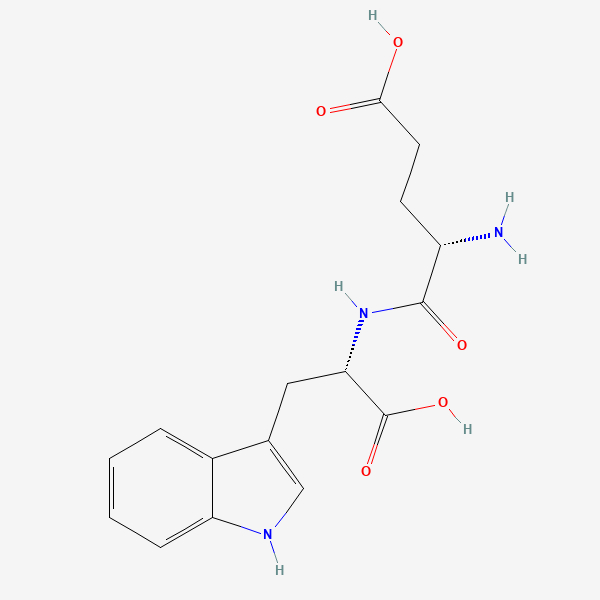
Thymogen is a defined molecule: L-alpha-glutamyl-L-tryptophan, written Glu-Trp or EW. PubChem identifies it as CID 100094, with formula C16H19N3O5, molecular weight 333.34 g/mol, and CAS 38101-59-6. The current pharmaceutical is synthesized; it is not a scoop of ground thymus in a lab coat.
The origin matters. A 1997 paper reports that researchers separated L-Glu-L-Trp from Thymalin by reversed-phase HPLC, then built the synthetic drug around that dipeptide. Thymalin remains a calf-thymus peptide mixture. Thymogen peptide is one isolated component, not a cleaner spelling of the extract.
How does the Glu-Trp dipeptide work?
Thymogen appears to change immune-cell behavior in laboratory and animal systems, but a single human receptor or complete pathway has not been established. The proposed actions include T-cell differentiation, blood-cell formation, and natural-killer-cell activity. Think of those as observed changes in the workshop, not a finished wiring diagram.
The chemistry supplies one useful reality check. The 2024 chirality review describes L-Glu-L-Trp as immunostimulatory, while D-amino-acid relatives used for Thymodepressin are immunosuppressive. Flipping a molecule’s three-dimensional orientation can reverse the direction of its reported immune effect. “Just two amino acids” does not mean biologically interchangeable or automatically gentle.
What does the thymogen immune research show?
The thymogen immune evidence is a mixed stack: direct animal experiments, older Russian clinical reports, and one small randomized perioperative study, but no large independent trial proving that it improves everyday immunity in healthy people. That is why the headline grade stays animal-only for broad immune-resilience, anti-aging, and cancer-prevention claims.
The clearest aging claim comes from a 1992 rat study indexed by PubMed. Female rats received repeated thymogen courses; the authors reported longer lifespan, slower aging, and fewer spontaneous and radiation-associated tumors. Those results belong to rats. They do not show that thymogen prevents cancer or extends life in humans.
Human evidence is not zero. A Russian-language double-blind randomized study in older adults preparing for abdominal cancer surgery reported better cellular-immune measures and fewer postoperative complications than placebo. That narrow, perioperative population cannot answer whether Timogen prevents colds, reverses immune aging, or helps a healthy user.
The same molecule also appeared in Western oncology research as IM862. A Phase III placebo-controlled trial in AIDS-related Kaposi sarcoma found it ineffective. Different indication, different proposed mechanism—but a useful brake on claims that one Glu-Trp result proves every other one.
Is thymogen safe? What are the risks?
Thymogen does not have the kind of modern long-term safety record that would support a confident answer for healthy or repeated use. Russian clinical history and short studies provide some human exposure, but repeat-course harms, interactions, pregnancy risk, autoimmune effects, and human pharmacokinetics remain poorly characterized.
Immune stimulation is not automatically desirable. A person with autoimmune disease, an organ transplant, cancer treatment, or immune-modifying medication has a different risk calculation from a healthy study participant. U.S. research-market products add a second layer: a label cannot prove the vial contains the right stereoisomer, concentration, or sterile material. The general side-effects reference explains why molecule risk and product risk need separate columns.
Is thymogen FDA-approved or legal in 2026?
Thymogen is not FDA-approved in the United States as of July 16, 2026. A search of Drugs@FDA, the agency’s approved-drug database, does not identify a thymogen or oglufanide product. Russian approval does not transfer across borders, and “research use only” is not a backdoor prescription label.
The geographic nuance is real. The 2024 review reports Russian Ministry of Health Registration Certificate No. P N002408/01, dated June 10, 2009, for Thymogen; Timogen is a common transliteration. The broader Russian peptide-drug review also lists Glu-Trp as an immunostimulatory drug. Our regulatory-status guide keeps “approved somewhere” separate from “FDA-approved here,” while the research-use-only explainer covers what the label actually means.
How has thymogen been used in research?
Thymogen has been studied as intranasal and injectable material in short courses, but the published literature does not support a personal protocol for healthy immune support or longevity. The rat aging experiment used an animal-specific schedule, and the perioperative human study used a brief intranasal course before surgery. Neither translates into a self-directed dose.
Thymogen does not have a confidently resolved anti-doping status here. The 2026 WADA Prohibited List uses broad categories as well as named examples, while thymogen has regulatory approval in Russia but not the United States. Tested athletes need a case-specific ruling from their anti-doping authority.
Thymogen vs thymalin: what is the difference?
Thymogen is the isolated, two-amino-acid molecule; Thymalin is the animal-thymus extract from which researchers separated it. The distinction changes identity, manufacturing, and evidence, even though both belong to thymic-peptide research. Calling both products “thymic peptides” is fair. Treating them as the same drug is not.
For the wider landscape, see the immune peptide hub. The useful comparison is unusually concrete: Thymalin asks what a tissue-derived mixture does, while thymogen asks what one defined Glu-Trp component does. That cleaner chemistry still leaves an untidy clinical record—the human testing exists, but the broad claims remain ahead of it.
Evidence by outcome
Each outcome Thymogen has been studied for, with the honest evidence grade and what the studies actually found. A tier never stands alone — the verdict rides with it.
| Outcome | Evidence | What was found |
|---|---|---|
| Healthy aging and carcinogenesis | Animal-onlyHelped⚠ none in humans | One long-running rat experiment reported slower aging, longer lifespan, and fewer spontaneous or radiation-associated tumors. This is an animal signal from one older research program, not evidence that thymogen extends life or prevents cancer in people. |
| Perioperative cellular immune recovery | Human RCTHelped | A Russian-language double-blind, randomized, placebo-controlled study in older adults undergoing abdominal cancer surgery reported improved cellular immune measures and fewer postoperative complications. The abstract does not provide enough detail for a full appraisal, and independent replication has not established a general immune-support benefit. |
| Experimental tumor growth | Animal-onlyHelped⚠ none in humans | Mouse experiments linked L-Glu-L-Trp's antitumor effect to natural-killer cell cytolytic activity and perforin. A later placebo-controlled human trial of the same molecule as IM862 did not show benefit in AIDS-related Kaposi sarcoma, so the animal result cannot be promoted as a human cancer effect. |
FDA & legal status
- United States: research use only (as of Jul 2026)
Thymogen has no FDA-approved drug product or indication in the United States. Russian registration does not transfer FDA approval to imported, compounded, or research-market products.
Chemical identifiers
References
- 1.Thymogen compound record — PubChem CID 100094
- 2.Morozov and Khavinson, 1997 — Natural and synthetic thymic peptides as therapeutics for immune dysfunction
- 3.Development of Peptide Biopharmaceuticals in Russia — PMC9030433
- 4.Deigin et al., 2024 — Thymogen and Thymodepressin chirality review
- 5.Anisimov et al., 1992 — thymogen, aging, and radiation carcinogenesis in rats (PubMed search)
- 6.Smirnov et al., 2011 — preoperative thymogen trial in older adults (PubMed search)
- 7.Noy et al., 2005 — IM862 Phase III trial in AIDS-related Kaposi sarcoma (PubMed search)
- 8.Drugs@FDA — FDA-approved drug database
- 9.WADA 2026 Prohibited List