Also known as: ERR pan-Agonist 332 · SR9861
Animal-onlyHelped⚠ none in humans
On this page
- What is SLU-PP-332?
- How does the ERR agonist work?
- What do SLU-PP-332 results actually show?
- Is SLU-PP-332 safe? Side effects and risks
- What is the SLU-PP-332 dosage and half life?
- SLU-PP-332 vs MOTS-c: what is the difference?
- Is SLU-PP-332 FDA-approved or legal in 2026?
- Is SLU-PP-332 really “exercise in a pill”?
- Evidence by outcome
- FDA & legal status
- Chemical identifiers
- References
- Related compounds
- More on SLU-PP-332
SLU-PP-332 is an experimental exercise mimetic that improved endurance and metabolic measures in mice, but it is not a peptide: it is a synthetic small molecule and pan-ERR agonist. No human dose, safety trial, or efficacy result exists. In 2026, SLU-PP-332 remains unapproved and research-use-only in the United States.
Key facts
- What it is: a 290.3 g/mol small molecule, not a peptide
- Studied for: endurance, fat metabolism, obesity, and metabolic syndrome in mice
- Evidence tier: animal-only; none in humans
- U.S. status (July 2026): unapproved, research-use-only
- Human dose and half-life: unknown
- Main risk: human adverse effects, interactions, and safe exposure have never been measured
- Sport: prohibited at all times under WADA S0 as a non-approved substance
What is SLU-PP-332?
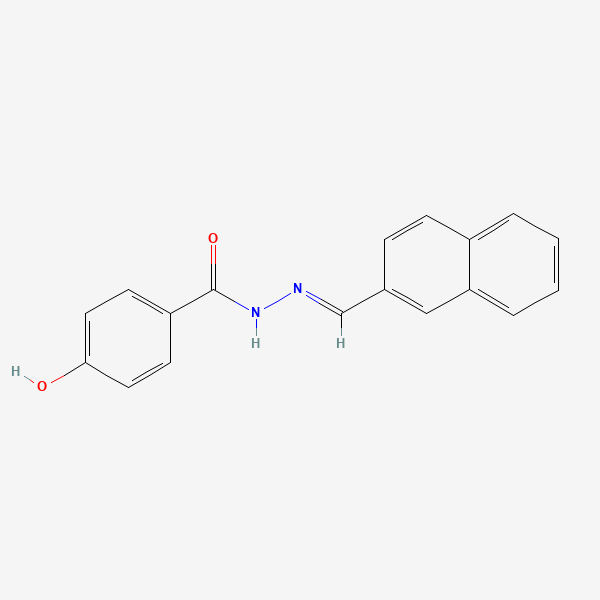
SLU-PP-332 is a lab-made chemical research tool, not a peptide, supplement, or approved drug. PubChem identifies it as C18H14N2O2, molecular weight 290.3 g/mol, CAS 303760-60-3 (PubChem CID 5338394). A peptide is a chain of amino acids; this molecule has no amino-acid sequence at all. Its placement beside peptides in online catalogs describes the shelf, not the chemistry.
The compound belongs in the longevity and metabolic-research hub because researchers use it to study fuel use and mitochondrial work. “Exercise mimetic” is a narrow laboratory label: selected aerobic-exercise signals appeared in cells and mice. Nobody has shown broad exercise benefits in a person.
How does the ERR agonist work?
SLU-PP-332 activates estrogen-related receptors alpha, beta, and gamma, making it a pan-ERR agonist; despite the name, ERRs are not estrogen receptors. They are nuclear receptors that help switch metabolic genes on and off. Think of ERR activation as changing a cell’s fuel-management settings toward more mitochondrial work and fatty-acid burning, not as performing a workout inside a capsule.
The 2023 paper found the strongest activity at ERRα. In a muscle-cell line, the compound increased mitochondrial respiration; in mice, it increased oxidative type IIa muscle fibers and triggered an ERRα-dependent gene program associated with acute aerobic exercise (Billon et al., 2023). That mechanism explains the “slu pp 332 exercise mimetic” label. It does not establish a clinical benefit.
What do SLU-PP-332 results actually show?
SLU-PP-332 results show better treadmill endurance and metabolic outcomes in mice, with no human efficacy evidence. In the exercise study, treated sedentary mice ran about 70% longer and 45% farther than vehicle-treated mice. ERRα knockout experiments removed the endurance benefit, tying the result to the intended receptor pathway rather than leaving the mechanism as a guess.
A second study tested diet-induced obese and genetically obese mice. At 50 mg/kg by intraperitoneal injection twice daily, treated diet-induced obese mice weighed about 12% less after 28 days, gained under 0.5 g of fat while controls gained about 5 g, and showed better glucose tolerance (Billon et al., 2024). Chow-fed mice did not show improved glucose tolerance, a boundary glossy summaries tend to lose.
Both studies were preclinical. ClinicalTrials.gov returned zero registered studies for SLU-PP-332 on July 16, 2026 (live registry search). Human dosing, safety, endurance, fat loss, and glucose effects therefore remain unknown. Animal-only means exactly that.
Is SLU-PP-332 safe? Side effects and risks
SLU-PP-332 has no known human safety profile because no clinical study has administered it to people. There are no measured adverse-event rates, drug-interaction studies, reproductive-safety data, contraindications, or long-term toxicology results that can be translated into a human risk estimate. “No reported human side effects” would be wordplay: there are no human trial participants to report them.
Short mouse experiments cannot prove safety in people. Gray-market material adds another layer: a label cannot establish identity, purity, oral absorption, or dose accuracy. The phrase research use only has a specific limit: it describes laboratory use, not a quiet route to self-experimentation.
What is the SLU-PP-332 dosage and half life?
A human SLU-PP-332 dosage and a human SLU-PP-332 half life have not been established. The mouse studies used intraperitoneal injections, not capsules: the endurance experiments used 50 mg/kg, and the metabolic study used 50 mg/kg twice daily. Those numbers are experimental mouse methods, not a conversion exercise or a starting point for people.
The 2023 study measured SLU-PP-332 in mouse plasma and muscle after injection, but did not establish a human elimination half-life. No oral human pharmacokinetic study exists. Any page supplying a capsule schedule or a confident number of hours is moving past the published evidence.
SLU-PP-332 vs MOTS-c: what is the difference?
SLU-PP-332 vs MOTS-c starts with chemistry: SLU-PP-332 is a synthetic small-molecule ERR agonist, while MOTS-c is a 16-amino-acid mitochondrial-derived peptide. Both appear in exercise and metabolic discussions, but they act through different proposed pathways. SLU-PP-332 directly activates ERRs; MOTS-c research centers largely on AMPK, the cell’s low-fuel sensor.
Neither compound has human efficacy proof for injected or supplemental use. MOTS-c exists naturally in humans; SLU-PP-332 is wholly synthetic and has no human exposure dataset. NAD and NAD-related metabolism offers another nearby research lane, but a shared longevity category does not validate a stack.
Is SLU-PP-332 FDA-approved or legal in 2026?
SLU-PP-332 is not FDA-approved for any use and has no registered U.S. clinical trial as of July 16, 2026. The FDA’s approved-drug database contains no product under this name (Drugs@FDA). Online availability does not create an approved indication, lawful supplement ingredient, prescription product, or recognized compounded medicine.
For tested athletes, the 2026 WADA list matters even though SLU-PP-332 is not named line by line. S0 covers pharmacological substances with no current approval from a governmental health authority for human therapeutic use. That makes this preclinical compound prohibited at all times under the current WADA list.
Is SLU-PP-332 really “exercise in a pill”?
No. SLU-PP-332 copied selected aerobic gene signals and improved treadmill performance in mice; it has never reproduced exercise outcomes in a person. The phrase is useful shorthand for a research mechanism and terrible shorthand for a human product. The honest case for interest is the receptor biology and consistent mouse direction. The human chapter has not started.
SLU-PP-332 may help researchers turn ERR signaling into a future drug class, but the compound sold today is a preclinical tool. Curiosity fits the evidence. A human protocol does not.
Evidence by outcome
Each outcome SLU-PP-332 has been studied for, with the honest evidence grade and what the studies actually found. A tier never stands alone — the verdict rides with it.
| Outcome | Evidence | What was found |
|---|---|---|
| Exercise endurance | Animal-onlyHelped⚠ none in humans | Treated mice developed more oxidative muscle features and ran longer and farther on a treadmill than vehicle-treated mice. No human has received SLU-PP-332 in a published or registered clinical study. |
| Obesity and metabolic measures | Animal-onlyHelped⚠ none in humans | In obese mouse models, SLU-PP-332 increased energy expenditure and fatty-acid oxidation, limited fat gain, reduced body weight, and improved glucose tolerance in diet-induced obesity. These results do not establish weight loss, glucose control, or safety in people. |
| Healthy aging and longevity | MechanisticUnclear⚠ none in humans | The longevity case is an inference from ERR biology and preclinical work in muscle and metabolism. No human healthspan or lifespan study exists. |
FDA & legal status
- United States: research use only (as of Jul 2026)
No SLU-PP-332 product appears in Drugs@FDA, and ClinicalTrials.gov returns no registered study for the compound. It is an unapproved preclinical research chemical, not a prescription drug, compounded medicine, or dietary supplement.
Chemical identifiers
References
- 1.Billon et al., 2023 — SLU-PP-332 and exercise capacity (PubMed PMID 36988910)
- 2.Billon et al., 2024 — SLU-PP-332 in mouse metabolic syndrome (PMC10801787)
- 3.SLU-PP-332 compound record — PubChem CID 5338394
- 4.SLU-PP-332 — registered clinical studies search
- 5.Drugs@FDA — FDA-approved drug database
- 6.WADA 2026 Prohibited List
More on SLU-PP-332
Everything else we've written about SLU-PP-332 — what the community reports, the explainers that cover it, and the terms it keeps running into.