MechanisticUnclear
On this page
Alanine is a small, simple non-essential amino acid with a big logistical job: it’s the vehicle your muscles use to safely send spare nitrogen to the liver while handing over raw material to make glucose. It sits right at the crossroads of sugar and protein metabolism, and your body makes it effortlessly from everyday fuel breakdown.
What is Alanine?
Alanine is a non-essential proteinogenic amino acid and one of the simplest of the twenty — its side chain is just a small methyl group. That plainness is a feature: it makes alanine easy to build and easy to interconvert with pyruvate, a central molecule in how the body burns glucose. Because it’s made from such a common intermediate, you’re never short of it. You’ll see it abbreviated Ala or A. (It’s worth flagging up front that beta-alanine, a popular exercise supplement, is a chemically different molecule — this page is about standard L-alanine.)
What does Alanine do in the body?
Alanine runs a clever shuttle service called the glucose-alanine cycle. When muscle breaks down protein for fuel, it’s left holding nitrogen, which is toxic in the form of free ammonia. Rather than release that, muscle attaches the nitrogen to pyruvate to make alanine, ships it through the blood to the liver, and the liver strips the nitrogen off (packaging it into urea for disposal) and reuses the leftover carbon skeleton to make fresh glucose. It’s an elegant two-for-one: safe nitrogen transport plus fuel recycling. Alanine is also, of course, a normal building block in your proteins.
Where do you get Alanine?
Alanine is abundant in essentially all protein foods — meat, poultry, fish, eggs, dairy, soy, beans, lentils, nuts, seeds and whole grains. On top of that, your body manufactures it continuously from pyruvate as a routine part of metabolism, so a healthy person is always well supplied without any special effort.
What does the research show?
Here candor is the whole answer: alanine’s metabolic role is textbook and elegant, but there’s little human evidence that taking L-alanine as an isolated supplement does anything worthwhile in well-fed people, because the body already makes all it requires. The compound with a real athletic evidence base is beta-alanine — a separate molecule that raises muscle carnosine and helps high-intensity endurance — and the two get mixed up constantly. For ordinary L-alanine, the interesting story is the biochemistry inside you, not a product on a shelf.
Is Alanine safe?
Alanine is very safe. It’s one of the most common amino acids in food and a constant product of your own metabolism, so you handle it all day without a second thought. It isn’t usually sold or taken as a standalone high-dose supplement, and there’s no strong reason to seek it out separately from a normal, protein-adequate diet.
Evidence by outcome
Each outcome Alanine has been studied for, with the honest evidence grade and what the studies actually found. A tier never stands alone — the verdict rides with it.
| Outcome | Evidence | What was found |
|---|---|---|
| Standalone supplement benefits | MechanisticUnclear | Alanine's metabolic role is well understood, but there's little human evidence that supplementing L-alanine on its own does anything useful in well-fed people — the body already makes all it needs. Don't confuse it with beta-alanine, a separate compound with real endurance data. |
FDA & legal status
- United States: dietary supplement / food (as of Jul 2026)
A proteinogenic amino acid found in dietary protein and sold as a supplement. Not an FDA-approved drug; supplements are regulated as food, not medicine.
Chemical identifiers
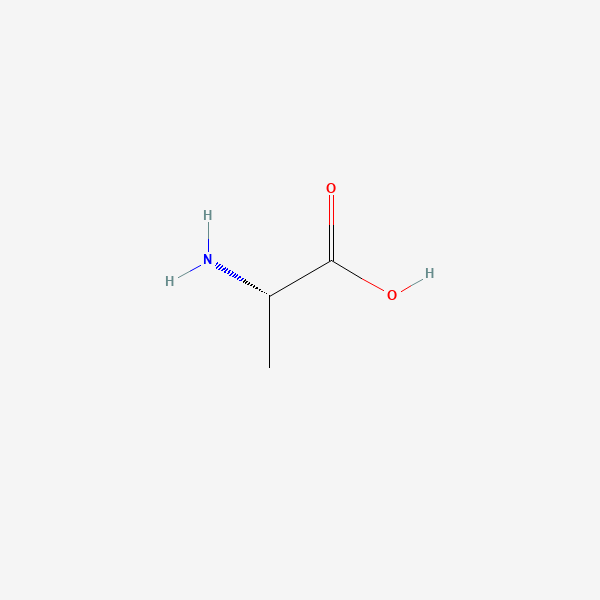
- Molecular formula
- C3H7NO2
- Molecular weight
- 89.09 g/mol
- IUPAC name
- (2S)-2-aminopropanoic acid
Verified external records: