MechanisticUnclear
On this page
Asparagine is a non-essential amino acid with a place in history — it was the first amino acid ever isolated, pulled from asparagus juice in 1806, which is where it got its name. In the body it’s a quiet specialist: a safe way to carry nitrogen around, and the anchor point for one of the main systems cells use to decorate their proteins. Your body makes all it needs.
What is Asparagine?
Asparagine is a non-essential proteinogenic amino acid, the amide version of aspartic acid — meaning it’s aspartic acid with an extra nitrogen-containing group bolted onto its side chain. That amide group is the key to its job: it’s a way to carry nitrogen without carrying a charge, which makes asparagine a tidy little nitrogen parcel. It’s non-essential because the body builds it readily from aspartic acid. You’ll see it abbreviated Asn or N.
What does Asparagine do in the body?
Asparagine has two standout roles. First, it’s a nitrogen handler: by holding nitrogen in its stable amide form, it lets the body store and move nitrogen safely, a useful counterpart to the more reactive amino acids. Second, and more distinctively, it’s the attachment site for N-linked glycosylation — the process where cells clip sugar chains onto proteins to control how they fold, where they go, and how they’re recognized. That tagging system is central to how the immune system and many receptors work. Asparagine is, of course, also a normal building block slotted into your proteins.
Where do you get Asparagine?
Asparagine lives up to its name in asparagus, but it’s common across the diet — meat, poultry, fish, eggs, dairy, legumes, nuts, seeds and whole grains all supply it. Layered on top of that, your body manufactures it from aspartic acid whenever needed, so a person eating a normal diet is thoroughly covered without giving it a thought.
What does the research show?
The honest answer is that asparagine’s importance is in cell biology, not in the supplement aisle. Its roles in nitrogen handling and protein glycosylation are well established and important to how cells function, but there’s no meaningful human evidence that swallowing asparagine as a standalone supplement does anything helpful for healthy people — they already make and eat plenty. It’s a molecule that matters enormously inside your cells and essentially not at all as something to buy.
Is Asparagine safe?
Asparagine is safe as part of any normal, protein-containing diet, where it’s common and continuously produced by your own metabolism. It isn’t sold as an isolated high-dose supplement, so there’s no separate dosing story to tell — the well-trodden route is simply eating enough protein, which delivers it automatically.
Evidence by outcome
Each outcome Asparagine has been studied for, with the honest evidence grade and what the studies actually found. A tier never stands alone — the verdict rides with it.
| Outcome | Evidence | What was found |
|---|---|---|
| Standalone supplement benefits | MechanisticUnclear | Asparagine's cellular roles are well understood, but there's no meaningful human evidence that supplementing it does anything beneficial in healthy, well-fed people, who make and obtain plenty. Its scientific interest lies in cell biology, not in supplementation. |
FDA & legal status
- United States: dietary supplement / food (as of Jul 2026)
A proteinogenic amino acid found in dietary protein and sold as a supplement. Not an FDA-approved drug; supplements are regulated as food, not medicine.
Chemical identifiers
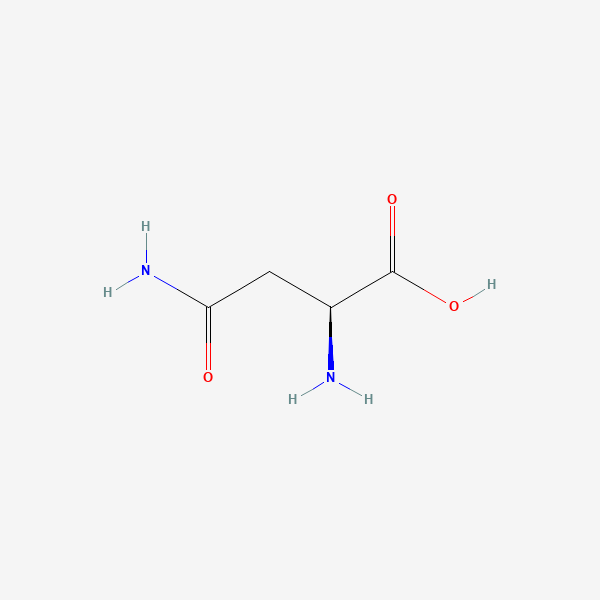
- Molecular formula
- C4H8N2O3
- Molecular weight
- 132.12 g/mol
- IUPAC name
- (2S)-2,4-diamino-4-oxobutanoic acid
Verified external records: