Human RCTHelped
On this page
Beta-alanine is the amino acid behind that harmless facial tingle you get from a scoop of pre-workout — and behind a genuine, well-evidenced performance boost. It works by a slow, indirect route: over weeks of daily dosing it raises the level of carnosine stored in your muscle, and carnosine is what soaks up the acid that makes hard efforts burn. More buffer, more reps before fatigue.
What is beta-alanine?
Beta-alanine is a non-proteinogenic amino acid, and a slightly unusual one: it’s a “beta” amino acid, meaning its amino group sits on a different carbon than in the standard alpha amino acids your proteins are made of. It isn’t built into proteins at all. Its one important job in the body is to serve as the limiting raw material for carnosine, a molecule your muscles use as an acid sponge.
What does beta-alanine do in the body?
Beta-alanine’s role is to make carnosine. Muscle combines beta-alanine with the amino acid histidine to form carnosine and stashes it away. During intense exercise, muscle produces hydrogen ions that drop the pH and cause that familiar burning fatigue — carnosine mops those up like a chemical buffer, keeping the muscle working closer to normal for longer. Histidine is usually plentiful, so the amount of carnosine you can build comes down to how much beta-alanine is available. That’s the whole game.
Where do you get beta-alanine?
The natural dietary source is meat, poultry and fish, where beta-alanine arrives packaged inside carnosine and its relative anserine. Plant foods contain almost none, which is why vegetarians and vegans tend to carry lower muscle carnosine — and sometimes see a bigger jump from supplementing. For athletes, standalone beta-alanine powder is the practical way to reach performance doses.
What does the research show?
For high-intensity endurance, the evidence is solid. Many randomized controlled trials show that loading beta-alanine for several weeks raises muscle carnosine and improves performance in efforts lasting roughly one to a few minutes — the sweet spot where acid buildup, not fuel, is the limiter. The effect is real but modest, and it’s specific: beta-alanine does little for one-rep-max strength or fat loss, because those aren’t acid-buffering problems. Match it to the right kind of training and it delivers.
Is beta-alanine safe?
Beta-alanine is well tolerated. Its trademark side effect, paresthesia, is that pins-and-needles tingle on the skin minutes after a bigger dose — completely harmless and gone within an hour. Splitting the daily amount into smaller servings, or using a sustained-release form, keeps it in check. The multi-week loading protocols used in studies haven’t turned up serious problems.
Evidence by outcome
Each outcome Beta-alanine has been studied for, with the honest evidence grade and what the studies actually found. A tier never stands alone — the verdict rides with it.
| Outcome | Evidence | What was found |
|---|---|---|
| Muscular endurance & high-intensity performance | Human RCTHelped | This is beta-alanine's well-earned claim to fame. Many randomized trials show that loading it for several weeks raises muscle carnosine and improves performance in hard efforts lasting roughly one to several minutes — the range where acid buildup is the limiter. The effect is real, if modest. |
| Body composition & maximal strength | Human (controlled)Mixed | Because its benefit is specifically about acid-buffering, beta-alanine does less for one-rep-max strength or fat loss. Some studies show small indirect gains from being able to train harder, but this isn't where it shines. |
FDA & legal status
- United States: dietary supplement / food (as of Jul 2026)
A non-proteinogenic amino acid, sold as a dietary supplement. Not an FDA-approved drug; supplements are regulated as food, not medicine.
Chemical identifiers
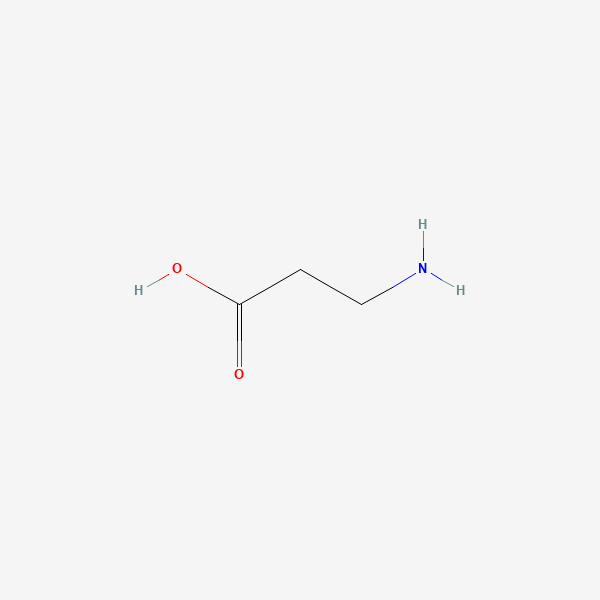
- Molecular formula
- C3H7NO2
- Molecular weight
- 89.09 g/mol
- IUPAC name
- 3-aminopropanoic acid
Verified external records: