Human RCTHelped
On this page
Creatine is the most researched, most reliably effective sports supplement on the market — and, underneath the tub, it’s a small amino-acid-derived molecule your body already makes and stores in muscle. Its job is to recharge your cells’ fastest energy system, which is why it helps you squeeze out an extra rep or a faster sprint, and why researchers are increasingly interested in what it does for the brain.
What is creatine?
Creatine is a non-proteinogenic amino acid derivative — built from amino acids, but not itself used to make proteins. About 95% of your body’s supply sits in skeletal muscle as phosphocreatine, a kind of rechargeable battery for energy. You make some yourself and eat more in meat and fish. The supplement version, creatine monohydrate, is the same molecule in cheap, well-tested powder form.
What does creatine do in the body?
Creatine’s headline job is speed. Your cells run on ATP, but they only keep a couple of seconds’ worth on hand. Phosphocreatine acts like a pit-crew, instantly recharging spent ATP so a muscle can keep firing through a heavy lift or a short sprint. More creatine in the tank means more of these fast recharges before fatigue sets in. The brain uses the same energy system, which is why creatine’s role there is a live and interesting research question.
Where do you get creatine?
The natural food sources are all animal: red meat (especially beef) and fish like herring, salmon and tuna, with smaller amounts in poultry. You’d have to eat a lot of steak to match a supplement, though — one reason creatine monohydrate is so popular, and why vegetarians and vegans, who eat almost none, often see the biggest gains from taking it.
What does the research show?
For strength and power, the evidence is about as strong as it gets. Dozens of randomized controlled trials show creatine plus resistance training reliably builds strength, power and lean mass beyond training alone. For the brain, controlled studies suggest it may sharpen cognition under stress, sleep loss, or low baseline stores — a real and growing signal, if smaller in people who are already well-rested and well-fed. And in older adults, creatine helps training preserve muscle and strength. Few supplements pair this much high-quality human evidence with this low a price.
Is creatine safe?
Creatine has one of the best safety profiles of any supplement, studied for decades at 3–5 grams a day. The main effect newcomers notice is a couple of pounds of water weight as muscle cells draw in fluid — harmless. The recurring kidney-damage worry hasn’t held up in healthy people; if you already have kidney disease, clear it with a doctor first.
Evidence by outcome
Each outcome Creatine has been studied for, with the honest evidence grade and what the studies actually found. A tier never stands alone — the verdict rides with it.
| Outcome | Evidence | What was found |
|---|---|---|
| Strength, power & muscle | Human RCTHelped | This is about as solid as sports-nutrition evidence gets. Across many randomized trials, creatine reliably increases strength, power output and lean mass when paired with resistance training. It's the most consistently effective legal performance supplement we have. |
| Brain function & cognition | Human (controlled)Mixed | The brain runs on the same ATP system creatine feeds, and controlled human studies suggest supplementation may help cognition under stress, sleep deprivation, or in people with low baseline stores (like vegetarians). The signal is real and growing, though effects in well-rested, well-fed people look smaller. |
| Healthy aging & muscle preservation | Human (controlled)Helped | In older adults, creatine combined with resistance training helps preserve muscle and strength better than training alone in controlled trials — a meaningful edge for a molecule this cheap and this safe. |
FDA & legal status
- United States: dietary supplement / food (as of Jul 2026)
A non-proteinogenic amino acid, sold as a dietary supplement. Not an FDA-approved drug; supplements are regulated as food, not medicine.
Chemical identifiers
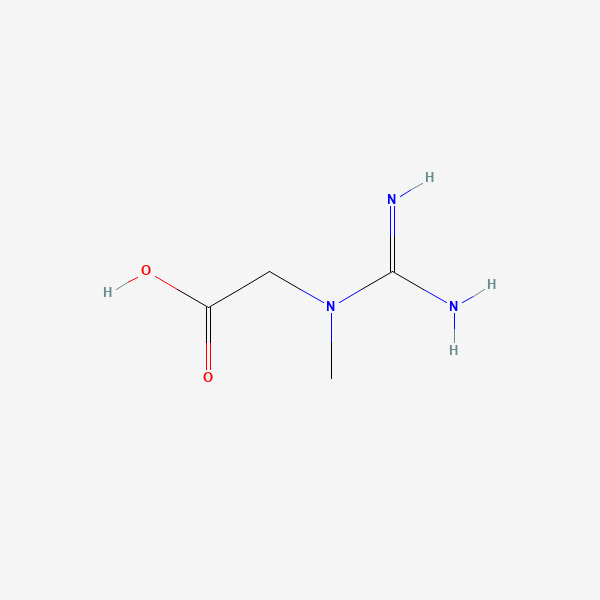
- Molecular formula
- C4H9N3O2
- Molecular weight
- 131.13 g/mol
- IUPAC name
- 2-[carbamimidoyl(methyl)amino]acetic acid
Verified external records:
References
- 1.Creatine — PubChem compound record (CID 586), National Library of Medicine
- 2.Creatine — indexed human research (PubMed, National Library of Medicine)
- 3.Antonio et al. — Common questions and misconceptions about creatine supplementation: what does the scientific evidence really show?
- 4.Forbes et al. — Effects of creatine supplementation on brain function and health
- 5.Roschel H et al. — Creatine Supplementation and Brain Health.
- 6.Kreider RB et al. — Creatine in Health and Disease.
- 7.Candow DG et al. — "Heads Up" for Creatine Supplementation and its Potential Applications for Brain Health and Function.
More on Creatine
Everything else we've written about Creatine — what the community reports, the explainers that cover it, and the terms it keeps running into.
- What are peptides? A plain-English primerExplainer
- Dietary supplementGlossary
- Meta-analysisGlossary