Human (controlled)No effect
On this page
L-Glutamic acid — usually just called glutamate — is a non-essential amino acid that pulls double duty as the brain’s main “go” signal and as one of metabolism’s busiest intersections. It’s also the molecule behind the savory umami taste in food. Your body makes it in abundance, so you’re never short of it.
What is L-Glutamic acid?
L-Glutamic acid is a non-essential proteinogenic amino acid with an acidic side chain — an extra carboxyl group that gives it a negative charge at body pH. That charge is what makes it such a good chemical messenger and metabolic go-between. In its charged form it’s called glutamate, the name you’ll usually hear. You’ll see it abbreviated Glu or E. The body synthesizes it so freely that dietary supply is never the concern.
What does L-Glutamic acid do in the body?
L-Glutamic acid is a two-job molecule. In the brain it’s the principal excitatory neurotransmitter — the main signal that switches neurons on, underpinning learning and memory. In the rest of the body it’s a metabolic traffic hub: it hands its nitrogen off to build other amino acids (a process called transamination), links protein metabolism to the energy-producing citric acid cycle, and serves as the starting point for glutamine, the calming neurotransmitter GABA, and the antioxidant glutathione. Picture it as a crossroads where amino acids, energy and brain signaling all meet.
Where do you get L-Glutamic acid?
L-Glutamic acid is everywhere in the diet — meat, fish, eggs, cheese (Parmesan is loaded with it), and umami-rich plants like tomatoes, mushrooms and seaweed. It’s also the glutamate in MSG seasoning. On top of that, your body manufactures it constantly from an energy-cycle intermediate, so a shortfall from diet essentially never happens.
What does the research show?
Here the honest headline is reassurance, not a benefit to chase. Controlled human studies have generally failed to reproduce the symptoms long pinned on MSG when participants don’t know they’re consuming it, so the notorious “MSG reaction” looks far weaker than its reputation. And while glutamate is the brain’s key excitatory transmitter, the brain makes and recycles its own pool behind the blood-brain barrier — dietary glutamate largely doesn’t cross it — so eating or supplementing glutamic acid isn’t an established way to alter brain function. The fascinating part is the biology inside the cell, not anything you can buy in a bottle.
Is L-Glutamic acid safe?
L-Glutamic acid is safe and one of the most abundant amino acids in normal food. Dietary glutamate, MSG included, is well tolerated by the general population in controlled testing. Because the brain regulates its own glutamate independently of your plate, ordinary dietary amounts don’t overstimulate it.
Evidence by outcome
Each outcome L-Glutamic acid has been studied for, with the honest evidence grade and what the studies actually found. A tier never stands alone — the verdict rides with it.
| Outcome | Evidence | What was found |
|---|---|---|
| Dietary glutamate (MSG) tolerance | Human (controlled)No effect | Controlled human studies have generally failed to reproduce the symptoms long blamed on MSG when people don't know they're getting it — a useful, reassuring result. Glutamate is simply the taste of umami, and the body handles dietary amounts routinely. |
| Supplementing for brain function | MechanisticUnclear | Although glutamate is the brain's main excitatory signal, the brain makes and recycles its own supply behind the blood-brain barrier, so eating or supplementing glutamic acid isn't an established way to change brain function. |
FDA & legal status
- United States: dietary supplement / food (as of Jul 2026)
A proteinogenic amino acid found in dietary protein and sold as a supplement. Not an FDA-approved drug; supplements are regulated as food, not medicine.
Chemical identifiers
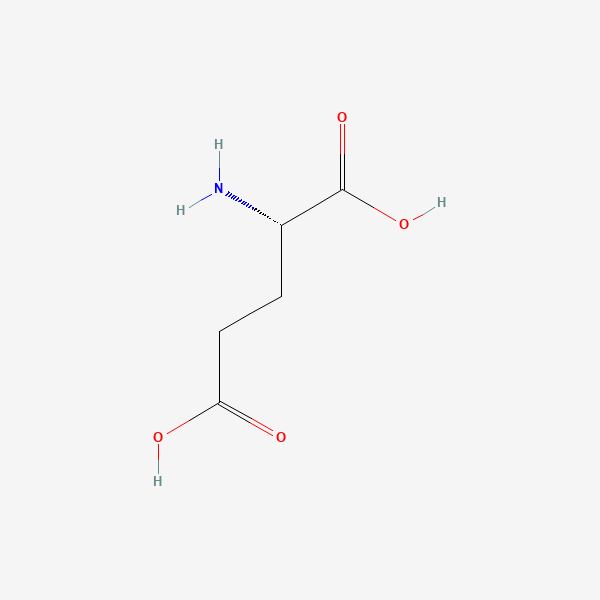
- Molecular formula
- C5H9NO4
- Molecular weight
- 147.13 g/mol
- IUPAC name
- (2S)-2-aminopentanedioic acid
Verified external records: