Animal-onlyUnclear
On this page
L-methionine is the amino acid that gets everything started. It’s essential, it carries a sulfur atom that most amino acids don’t, and it’s the very first building block your cells place when they begin making a new protein. Beyond that literal starting role, methionine feeds the body’s methylation system — the chemistry behind switching genes on and off and building key molecules.
What is L-methionine?
L-methionine is an essential, sulfur-containing, proteinogenic amino acid, written Met or the single letter M. Because it’s essential, it must come from food. Its sulfur atom is part of what makes it special: sulfur chemistry underpins several of methionine’s downstream jobs, including making cysteine and the master antioxidant glutathione.
What does L-methionine do in the body?
L-methionine does two jobs that stand out. First, it’s the start signal for protein synthesis: nearly every protein your body builds begins with a methionine at the first position, like the capital letter that starts every sentence. Second, it converts into SAMe (S-adenosylmethionine), the body’s main “methyl donor” — the molecule that hands off small methyl tags used to regulate DNA, build neurotransmitters, and more. From there it flows into the transsulfuration pathway to make cysteine and, downstream, glutathione. In short, methionine is both a starter and a supplier of the body’s sulfur and methylation chemistry.
Where do you get L-methionine?
L-methionine is concentrated in animal protein — eggs are a particularly rich source, along with meat, poultry, fish and dairy. On the plant side, Brazil nuts, sesame and other seeds, and whole grains contribute, though many plant proteins are comparatively lower in it. A mixed diet with adequate protein easily meets methionine needs.
What does the research show?
One line of methionine research runs the opposite direction from most supplements: methionine restriction extends lifespan and improves metabolic markers in animals. That’s a real, repeatable finding in rodents — but it has not been demonstrated to extend human lifespan, so it remains a promising animal result, not human proof. Claims for supplementing extra methionine (for liver or antioxidant support) rest on mechanism rather than solid human trials, and the fact that high doses raise homocysteine is a genuine reason for restraint.
Is L-methionine safe?
L-methionine from a normal protein-rich diet is safe and necessary. The real caution is with large isolated supplemental doses, which push up homocysteine — a cardiovascular risk marker — and aren’t a good idea without a specific reason and solid B-vitamin status. People with rare methionine- or homocysteine-metabolism disorders should manage intake under medical care.
Evidence by outcome
Each outcome L-Methionine has been studied for, with the honest evidence grade and what the studies actually found. A tier never stands alone — the verdict rides with it.
| Outcome | Evidence | What was found |
|---|---|---|
| Methionine restriction and longevity | Animal-onlyUnclear⚠ none in humans | One of the more intriguing findings is the reverse of supplementation: restricting methionine extends lifespan and improves metabolic markers in rodents and other animals. It's a genuine, repeatable animal result — but it has not been shown to extend human lifespan, so it stays firmly in the "promising in animals, unproven in people" column. |
| Liver and general supplementation benefits | MechanisticUnclear | Because methionine feeds SAMe and glutathione production, it's proposed for liver and antioxidant support. The mechanism is real, but taking extra methionine specifically to improve those outcomes in healthy, well-fed people isn't established — and the homocysteine caveat argues for caution. |
FDA & legal status
- United States: dietary supplement / food (as of Jul 2026)
A proteinogenic amino acid found in dietary protein and sold as a supplement. Not an FDA-approved drug; supplements are regulated as food, not medicine.
Chemical identifiers
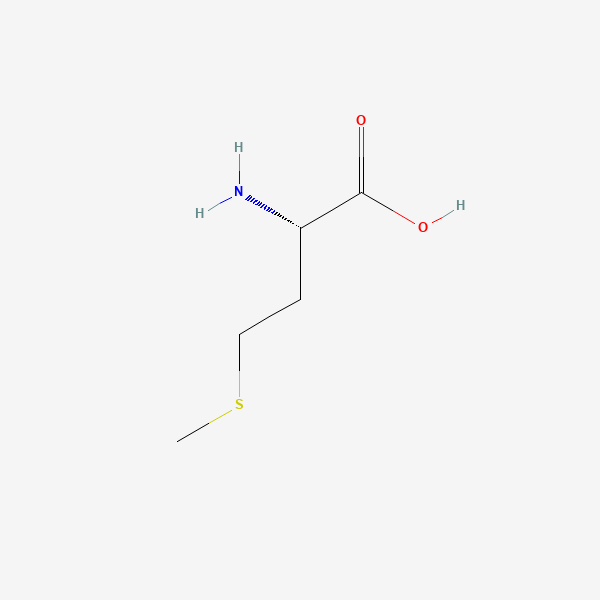
- Molecular formula
- C5H11NO2S
- Molecular weight
- 149.21 g/mol
- IUPAC name
- (2S)-2-amino-4-methylsulfanylbutanoic acid
Verified external records:
References
More on L-Methionine
Everything else we've written about L-Methionine — what the community reports, the explainers that cover it, and the terms it keeps running into.