Human (controlled)Mixed
On this page
L-phenylalanine is an essential amino acid and the raw material at the top of an important chain: your body turns it into tyrosine, and tyrosine into the catecholamines — dopamine, norepinephrine and epinephrine (adrenaline). It’s also the amino acid behind the phenylalanine warning on diet sodas, because people with the genetic condition PKU can’t process it.
What is L-phenylalanine?
L-phenylalanine is an essential, aromatic, proteinogenic amino acid, written Phe or the single letter F. “Aromatic” refers to the ring structure in its side chain. Being essential, it must come from the diet. Its defining trick is being convertible into tyrosine — which is why phenylalanine sits upstream of some of the body’s most important signaling molecules.
What does L-phenylalanine do in the body?
L-phenylalanine is a starting point more than an endpoint. The body converts it into tyrosine, and from tyrosine builds the catecholamines: dopamine (motivation and reward), norepinephrine and epinephrine (alertness and the fight-or-flight response). Picture phenylalanine as the timber that gets milled into tyrosine and then built into those signaling molecules. The same tyrosine pathway also feeds melanin, the pigment in skin and hair. And, like every amino acid, phenylalanine is a building block in proteins throughout the body.
Where do you get L-phenylalanine?
L-phenylalanine is plentiful in protein-rich food: meat, poultry, fish, eggs and dairy, plus soy, other legumes, nuts and seeds. It’s also present in the artificial sweetener aspartame, which is broken down in the body to release phenylalanine — the reason those products carry a warning aimed at people with PKU. A normal mixed diet easily covers the body’s needs.
What does the research show?
L-phenylalanine’s human research is modest and mixed. Because it feeds dopamine and norepinephrine, it’s been tested for mood — often as the DL form — with a few older, small studies showing some benefit, but the evidence is thin and it isn’t an established treatment. It’s also been studied with UV light for vitiligo, leaning on its melanin-building role; results are inconsistent and studies small. Broader “focus and energy” marketing rests on the pathway alone, not on solid human trials. The honest read: phenylalanine is essential and biologically important, but the supplement claims outrun the human evidence.
Is L-phenylalanine safe?
L-phenylalanine from a protein-rich diet is safe for most people. The one crucial exception is phenylketonuria (PKU), an inherited disorder in which the body can’t process phenylalanine; those affected must restrict it under medical supervision from birth, and it’s why aspartame products carry a phenylalanine warning. For everyone else, dietary amounts pose no special concern.
Evidence by outcome
Each outcome L-Phenylalanine has been studied for, with the honest evidence grade and what the studies actually found. A tier never stands alone — the verdict rides with it.
| Outcome | Evidence | What was found |
|---|---|---|
| Mood and depression (often as DL-phenylalanine) | Human (controlled)Mixed | Because phenylalanine feeds dopamine and norepinephrine, it's been tried for mood, often as the DL form. A few older, small human studies reported some benefit, but the evidence is thin and mixed and it isn't an established treatment — an early lead, not a proven antidepressant. |
| Vitiligo (skin repigmentation, with UV light) | Human (controlled)Mixed | L-phenylalanine has been studied alongside UV light for vitiligo, drawing on its role in melanin production. Some human trials report modest repigmentation, but studies are small and results inconsistent, so it's a plausible adjunct rather than a settled therapy. |
| General 'focus/energy' supplementation | MechanisticUnclear | Since phenylalanine is upstream of the catecholamines (dopamine, adrenaline), it's marketed for focus and energy. The pathway is real, but there's little direct human evidence that supplementing it improves those outcomes in well-fed people — treat the marketing claims as unproven. |
FDA & legal status
- United States: dietary supplement / food (as of Jul 2026)
A proteinogenic amino acid found in dietary protein and sold as a supplement. Not an FDA-approved drug; supplements are regulated as food, not medicine.
Chemical identifiers
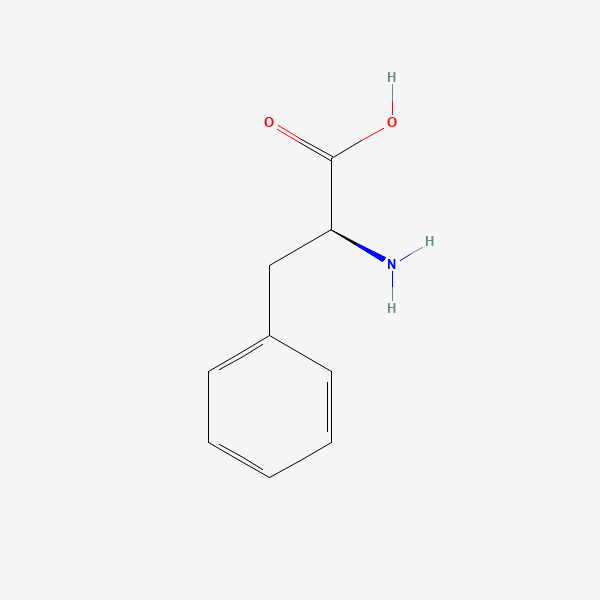
- Molecular formula
- C9H11NO2
- Molecular weight
- 165.19 g/mol
- IUPAC name
- (2S)-2-amino-3-phenylpropanoic acid
Verified external records: