Human (controlled)Mixed
On this page
L-valine is the third of the three branched-chain amino acids, rounding out the trio with leucine and isoleucine. It’s essential — your body can’t manufacture it — and it earns its keep as a fuel source and building block for muscle. It rarely gets solo billing, but it’s a standard third of every BCAA supplement for good reason.
What is L-valine?
L-valine is an essential, proteinogenic amino acid and one of the three branched-chain amino acids (BCAAs). “Branched-chain” refers to the forked shape of its side chain, a feature it shares with leucine and isoleucine. You’ll see it abbreviated Val or the single letter V. Because it’s essential, valine has to come from your diet — humans simply don’t have the enzymes to build it.
What does L-valine do in the body?
L-valine mainly serves muscle. Like its two BCAA siblings, muscle tissue can burn valine directly for energy, which is useful during longer bouts of exercise when muscle wants fuel close at hand. It’s also a structural building block woven into proteins throughout the body, and it’s glucogenic — meaning its carbon skeleton can be steered toward glucose when energy is needed. Picture the three BCAAs as a small pit crew for muscle: leucine calls the play, and isoleucine and valine help supply the fuel and the parts.
Where do you get L-valine?
L-valine is plentiful in protein-rich food. Meat, poultry, fish, eggs and dairy are strong sources, as are whey and soy protein; legumes, beans, nuts, seeds and whole grains round it out. Any diet with enough complete protein delivers ample valine without special effort.
What does the research show?
L-valine is studied almost entirely as one part of a branched-chain amino acid blend, and those human trials — for recovery and post-exercise soreness — come back mixed and modest. There’s little research isolating valine on its own, so claims about solo valine doing something specific rest mostly on mechanism rather than human trials. The honest picture: valine is a genuine part of the muscle energy-and-repair system, valuable as part of complete protein and BCAA intake, with no established standalone superpower.
Is L-valine safe?
L-valine is safe at food levels and in balanced BCAA supplements — it’s a normal part of everyone’s protein intake. The practical note is balance: don’t mega-dose one branched-chain amino acid over the others; whole protein or a balanced blend is better. The exception is people with rare BCAA-metabolism disorders, who must restrict it under medical supervision.
Evidence by outcome
Each outcome L-Valine has been studied for, with the honest evidence grade and what the studies actually found. A tier never stands alone — the verdict rides with it.
| Outcome | Evidence | What was found |
|---|---|---|
| Exercise recovery and muscle soreness (as part of BCAAs) | Human (controlled)Mixed | Valine is almost always tested inside a branched-chain amino acid blend, not on its own. Controlled human trials of BCAAs for recovery and delayed soreness show mixed and generally modest effects. Valine is a real part of the muscle energy-and-repair system; a large solo benefit isn't established. |
| Standalone valine supplementation benefits | MechanisticUnclear | Because valine feeds muscle energy and protein turnover, taking extra is a biologically reasonable idea. But there's little direct human evidence for valine alone doing anything specific beyond its role within complete protein and BCAA intake — so the honest verdict is "we don't yet know." |
FDA & legal status
- United States: dietary supplement / food (as of Jul 2026)
A proteinogenic amino acid found in dietary protein and sold as a supplement. Not an FDA-approved drug; supplements are regulated as food, not medicine.
Chemical identifiers
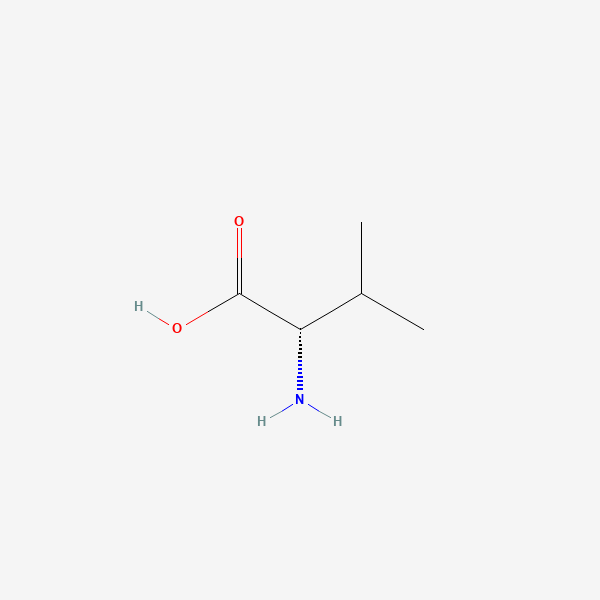
- Molecular formula
- C5H11NO2
- Molecular weight
- 117.15 g/mol
- IUPAC name
- (2S)-2-amino-3-methylbutanoic acid
Verified external records: