Humanin vs SS-31 (elamipretide)
Humanin vs SS-31 compares cytoprotective signaling with cardiolipin-targeted ATP support, including human evidence, safety, and picks by research goal.
Humanin vs SS-31 (elamipretide) is a choice between an endogenous mitochondrial-derived survival signal and a synthetic cardiolipin-targeting peptide with human trials. Humanin fits cytoprotection and neuroprotection research; SS-31 fits mitochondrial energy and disease research. No trial has compared them directly, so this weighs their separate evidence and makes picks by goal.
What is the main difference between Humanin and SS-31?
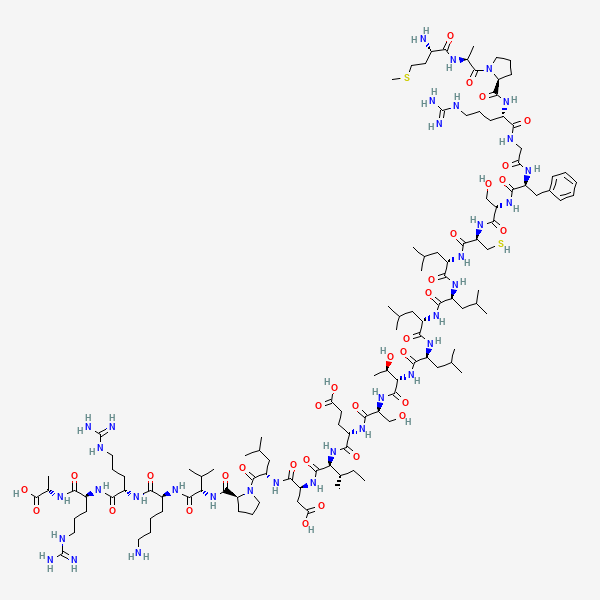
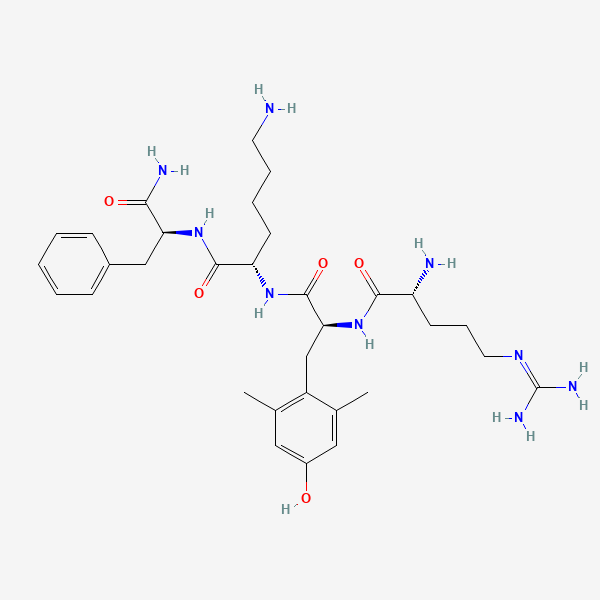
Humanin and SS-31 approach mitochondrial stress from different directions. Humanin is a 24-amino-acid message encoded within mitochondrial DNA and studied for helping stressed cells resist programmed death. SS-31, also called elamipretide, is a synthetic four-amino-acid peptide designed to gather at the inner mitochondrial membrane and bind cardiolipin.
Humanin acts more like a cellular “hold the demolition” signal. In cell and animal research, Humanin interferes with pro-death proteins such as Bax and activates survival pathways. SS-31 works closer to the power plant’s hardware: cardiolipin helps organize the machinery that makes adenosine triphosphate (ATP), the usable energy cells spend. SS-31’s research asks whether stabilizing that membrane environment helps the machinery run more effectively.
That origin-and-mechanism split is the cleanest answer to ss-31 vs humanin. Humanin belongs to the mitochondrial-derived peptide family because its sequence is encoded in mitochondrial DNA. SS-31 belongs in a broader mitochondrial peptides comparison because it targets mitochondria, but the body does not encode it as a mitochondrial signal.
Which peptide has stronger human evidence?
SS-31 has much stronger human intervention evidence, although the results do not support every claim made for mitochondrial support. Humanin remains animal-only for administered benefits: researchers have measured the Humanin people naturally produce, but no study has given Humanin to people to test efficacy or safety. The shared comparison tier therefore stays animal-only.
SS-31 has controlled human trials across several disease areas. Elamipretide earned FDA approval as Forzinity for Barth syndrome, a rare inherited mitochondrial disorder. The wider record is mixed: the Phase 3 primary mitochondrial myopathy program missed its primary endpoint, heart-failure studies have not shown a clear benefit, and healthy-aging research remains early (registered elamipretide studies). More human data means a clearer answer, including some unwelcome answers. That is still more informative than an empty clinical record.
No direct trial makes humanin vs ss-31 a scoreboard. A combined PubMed search does not supply a comparative trial, so claims that one beat the other would be fiction. This page compares separate mechanisms, populations, endpoints, and stages of development.
Humanin or SS-31: which fits each research area?
Humanin or SS-31 depends on the research question, not a universal ranking. Humanin is the closer fit for cell-survival, neuronal-stress, and broad preclinical cytoprotection questions. SS-31 is the closer fit for cardiolipin, mitochondrial energy machinery, mitochondrial-disease programs, or any project that requires prior human intervention data.
Humanin’s founding literature centers on protecting neurons from amyloid-beta-related stress. Later animal work expanded into insulin sensitivity and protection from ischemia-reperfusion injury, where blood supply is interrupted and restored. Those are coherent cytoprotective signals, but they remain preclinical treatment evidence (Humanin research).
SS-31’s clearest lane is membrane-level mitochondrial research. SS-31 binds cardiolipin, has been tested in older adults and mitochondrial disease populations, and reached a narrow approved use. For general longevity, however, neither peptide has shown that taking it extends human lifespan or healthspan. The useful distinction is survival signaling versus membrane and ATP support, not “weak peptide” versus “strong peptide.”
How do dosing and safety compare?
SS-31 has an administered-human dosing and safety record; Humanin does not. Humanin has no validated human dose because no treatment study has administered it to people. Elamipretide was given by daily subcutaneous injection in trials, while the approved Forzinity dose and schedule belong to its label and Barth syndrome indication, not to a general longevity protocol.
Humanin’s profile contains no human adverse-event list for the same reason it contains no administered-human dose: that study has not happened. Cell and animal tolerability cannot fill the gap. Research-market material also adds uncertainty about identity, purity, dose accuracy, and sterility.
SS-31’s short-term safety is better described. Injection-site redness, itching, and irritation are the most commonly reported issues in the clinical record, usually mild (Forzinity information). That record comes from patients under study or medical supervision; it does not establish long-term safety for healthy people pursuing anti-aging use. The reconstitution calculator handles concentration arithmetic when a sourced study amount is already known. The calculator does not select a dose.
What is the regulatory difference in 2026?
Humanin is research-use-only in the United States, while SS-31 occupies two regulatory lanes. Humanin is not FDA-approved and is not a dietary supplement. Elamipretide is FDA-approved as Forzinity for Barth syndrome only; research-market SS-31 sold for longevity, recovery, or general mitochondrial support is not an approved use or the FDA-reviewed product.
That narrow approval matters, but it does not turn every SS-31 claim into an approved claim. Chemical identity and regulatory identity are not interchangeable. A prescription product with a defined label is different from an online vial carrying a “research use only” notice, even when the peptide name points to the same molecule.
Humanin’s lack of approval matches its evidence stage: cell and animal efficacy work, human biomarker observation, and no administered-human study. SS-31’s status matches a more advanced but uneven program: one rare-disease approval, several unsuccessful or unsettled disease targets, and ongoing testing.
Where does this comparison fit among mitochondrial peptides?
This comparison completes a three-way map: Humanin for cytoprotective survival signaling, MOTS-c for metabolic and exercise signaling, and SS-31 for cardiolipin-targeted mitochondrial machinery. The Humanin vs MOTS-c comparison covers the two peptides encoded by mitochondrial DNA; MOTS-c vs SS-31 covers metabolic signaling against membrane targeting.
Humanin vs SS-31 fills the remaining edge of that triangle. Readers new to the category can start with what peptides are or the longevity peptide hub, then keep one distinction in view: “mitochondrial peptide” is a research neighborhood, not a single mechanism or evidence tier.
The by-goal answer stays deliberately split. Humanin is the cleaner preclinical pick for cell survival and neuroprotective signaling. SS-31 is the cleaner pick for cardiolipin, ATP-support research, mitochondrial-disease development, and a larger human safety record. Neither wins every goal, and no direct trial says otherwise.
Humanin vs SS-31 (elamipretide), point by point
Every dimension side by side — the honest differences, not a scoreboard.
| Dimension | Humanin | SS-31 (elamipretide) |
|---|---|---|
| Origin and size | An endogenous 24-amino-acid mitochondrial-derived peptide encoded in the mitochondrial 16S rRNA region; research versions are synthetic. | A synthetic four-amino-acid mitochondria-targeting peptide; the drug form is elamipretide and the approved brand is Forzinity. |
| Primary mechanism | Acts as a cytoprotective survival signal in cells and animals, including blocking pro-death proteins and activating protective pathways. | Binds cardiolipin in the inner mitochondrial membrane, where studies link it to more stable energy-producing machinery and ATP support. |
| Main research focus | Neuroprotection, cell survival, insulin sensitivity, and protection from ischemia-reperfusion injury. | Barth syndrome, primary mitochondrial myopathy, age-related muscle function, heart failure, and dry age-related macular degeneration. |
| Human evidence | Human studies measure the body's own humanin; no study has administered humanin to test a treatment effect. | Controlled human trials include one narrow FDA-approved use, mixed findings, failed primary endpoints, and ongoing programs. |
| Headline evidence tier | Animal-only, verdict unknown, with no administered-human efficacy study. | Human-controlled overall, with a mixed verdict and human intervention data. |
| Delivery and dosing evidence | No validated human dose exists because Humanin has not been administered in a human study. | Elamipretide was given by daily subcutaneous injection in trials; approved dosing belongs to the Forzinity label and Barth syndrome use. |
| Human safety picture | No administered-human safety record or long-term data; research-chemical purity and sterility add practical uncertainty. | Short-term safety is better characterized through trials and FDA review; injection-site reactions are the most commonly reported issue. |
| US regulatory status (2026) | Research-use-only; not FDA-approved and not a dietary supplement. | FDA-approved as Forzinity for Barth syndrome only; longevity and general mitochondrial-support uses remain unapproved. |
- Primary mechanism: Humanin is a signal encoded by mitochondrial DNA; SS-31 is designed to target mitochondrial membrane structure. Neither mechanism establishes a general anti-aging benefit.
- Human evidence: No trial has compared Humanin with SS-31 directly; this comparison weighs their separate evidence bases.
- Headline evidence tier: The page uses the weaker animal-only tier so Humanin is not presented as supported by human intervention evidence.
Humanin vs SS-31 (elamipretide): the two molecules
The 2D chemical structures, straight from PubChem — a quick way to see how similar (or not) the two actually are.
Which one fits which goal?
There's no universal winner here — the honest answer depends on what you're after. These picks are framed by goal, and each says why.
Studying cell survival or neuroprotective signaling
Leans toward Humanin
Humanin's founding research and proposed mechanisms center on protecting stressed cells and blocking programmed cell death.
Studying cardiolipin or mitochondrial energy machinery
Leans toward SS-31 (elamipretide)
SS-31 directly targets cardiolipin in the inner mitochondrial membrane, making ATP production and membrane organization its clearest research lane.
Prioritizing human intervention and safety data
Leans toward SS-31 (elamipretide)
Elamipretide has controlled human trials, an FDA-reviewed safety record, and an approved use; Humanin has not been administered in a human study.
Studying broad cytoprotection in preclinical models
Leans toward Humanin
Humanin has the more directly aligned cell and animal literature across neuronal stress, metabolism, and ischemia-reperfusion injury.
References
- 1.Humanin — indexed research (PubMed, National Library of Medicine)
- 2.Elamipretide (SS-31) — indexed research (PubMed, National Library of Medicine)
- 3.Humanin and elamipretide — indexed comparative search (PubMed)
- 4.Elamipretide — registered clinical studies (ClinicalTrials.gov)
- 5.Forzinity (elamipretide) — FDA prescribing information via DailyMed