Ipamorelin vs Sermorelin
Ipamorelin vs sermorelin: a ghrelin-mimetic GHRP versus a GHRH analog — two different ways to raise your own growth hormone, and why people combine them.
Ipamorelin and sermorelin get grouped together as “GH peptides,” but they aren’t two versions of the same thing — they raise growth hormone through different receptors. Ipamorelin is a ghrelin-mimetic GHRP: it presses the ghrelin receptor to trigger a short, clean pulse of your own GH. Sermorelin is a GHRH analog — a copy of the brain’s own “release growth hormone” signal — that prompts the pituitary in its natural rhythm and keeps the body’s feedback controls in place. Because they hit two separate switches, people often combine one of each rather than pick between them.
The honest throughline is that both reliably raise your own GH in humans — that part is real and human-tested — but the muscle, recovery and anti-aging benefits people actually chase are the thin part for each. Ipamorelin’s physique payoff is a mechanism-based hypothesis with no human outcome trial (its only completed RCTs were for post-surgical gut recovery), and sermorelin’s anti-aging case rests on mixed, modest human data. Sermorelin brings the longer clinical history — it was once the approved drug Geref — while ipamorelin brings the selectivity edge. Both are research-or-compounded only and both are banned in sport under WADA’s S2 category. The by-goal picks below frame it the honest way, and every status line is dated 2026.
Ipamorelin vs Sermorelin, point by point
Every dimension side by side — the honest differences, not a scoreboard.
| Dimension | Ipamorelin | Sermorelin |
|---|---|---|
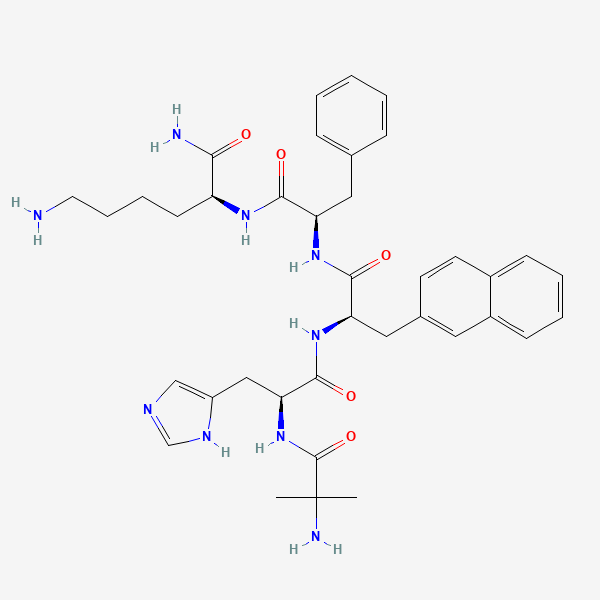
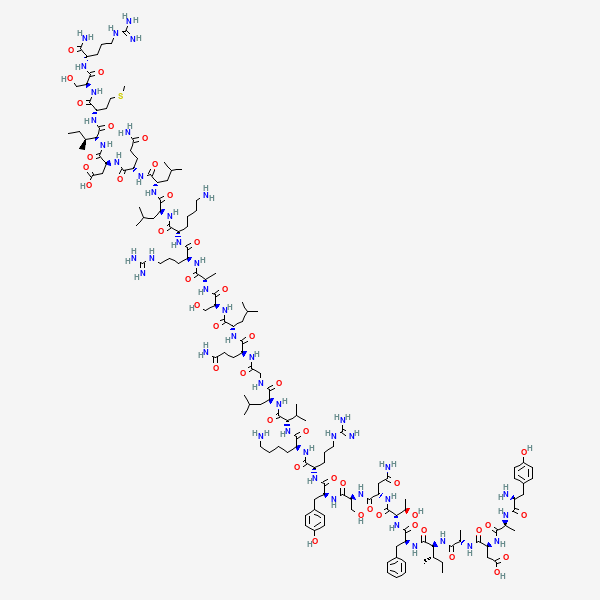
| What it is | A synthetic 5-amino-acid ghrelin mimetic — a growth-hormone secretagogue (GHRP). | A synthetic 29-amino-acid GHRH analog — GHRH(1-29), the active fragment of the body's own releasing hormone. |
| How it raises GH | Presses the ghrelin receptor (GHSR-1a) to trigger a short pulse of your own GH. | Copies the brain's GHRH signal at the GHRH receptor, prompting the pituitary's natural GH pulses. |
| Signature strength | Selectivity — it raises GH with little effect on cortisol or prolactin. | History — it keeps the body's own pulse-and-feedback rhythm, and it used to be an approved drug. |
| Human evidence | Human PK studies show it raises GH; the muscle/recovery benefits people want are untested in humans, and its only completed RCTs were for post-surgical gut recovery. | Controlled human data that it raises GH — it was an approved GH-stimulation diagnostic — while the anti-aging payoff is mixed and modest in people. |
| US regulatory status (2026) | Research-use-only — never FDA-approved. | Not currently approved, but once was (Geref); now reached mainly through compounding pharmacies and research channels. |
| Banned in sport | Yes — WADA S2 (growth-hormone secretagogues), prohibited at all times. | Yes — WADA S2 (GH-releasing factors and analogs), prohibited at all times. |
- How it raises GH: Two different receptors — which is exactly why a GHRP and a GHRH analog are often combined rather than chosen between.
- Human evidence: Both reliably raise GH in humans; neither has human proof for the body-composition and recovery uses they're actually sought for.
- US regulatory status (2026): The FDA has stated Geref was not withdrawn for safety or effectiveness reasons. Compounding eligibility for peptides is in motion — re-verify.
Ipamorelin vs Sermorelin: the two molecules
The 2D chemical structures, straight from PubChem — a quick way to see how similar (or not) the two actually are.
Which one fits which goal?
There's no universal winner here — the honest answer depends on what you're after. These picks are framed by goal, and each says why.
A clean, selective GH pulse with minimal cortisol or prolactin
Leans toward Ipamorelin
Selectivity is ipamorelin's whole identity — in pharmacology studies it raised GH without meaningfully spiking cortisol, prolactin or ACTH, the stress hormones older GH peptides tend to drag up with them.
The longest human and clinical track record
Leans toward Sermorelin
Sermorelin was an actual FDA-approved drug (Geref) used as a GH-stimulation diagnostic, with hundreds of human-tagged records — more human history than ipamorelin, whose only completed trials were for a different, hospital use.
The more physiologic route that keeps your own feedback intact
Leans toward Sermorelin
As a GHRH analog, sermorelin nudges the pituitary's own thermostat, so GH still fires in natural pulses and the body's 'that's enough' feedback signal keeps working.
Building the classic GHRP + GHRH-analog combination
Leans toward Ipamorelin
In practice people run one of each — a GHRP like ipamorelin plus a GHRH analog like sermorelin — because the two receptors are additive and produce a bigger, more natural-looking pulse than either gives alone.
References
- 1.Gobburu et al., 1999 — Pharmacokinetic-pharmacodynamic modeling of ipamorelin in human volunteers (Pharmaceutical Research)
- 2.Grossman, Savage & Besser, 1986 — Growth hormone-releasing hormone review (PubMed)
- 3.Ipamorelin — indexed research (PubMed, National Library of Medicine)
- 4.Sermorelin — indexed human research (PubMed, National Library of Medicine)
- 5.WADA Prohibited List — growth-hormone secretagogues and releasing factors (S2), via USADA