Argireline vs Syn-Ake
Argireline vs Syn-Ake compares two topical expression-line peptides by mechanism, wrinkle goal, human evidence, safety, and US cosmetic status.
Argireline vs Syn-Ake is a comparison between two topical peptides aimed at expression lines through different muscle-signaling targets. Argireline has the stronger human evidence; Syn-Ake offers a distinct venom-mimetic mechanism with much thinner proof. No trial has compared them directly, so the useful choice depends on the goal, not a universal winner.
What is the core difference between Argireline and Syn-Ake?
Argireline and Syn-Ake try to quiet the same conversation from opposite ends: Argireline is proposed to reduce release of the nerve’s contraction message, while Syn-Ake is proposed to interfere where muscle receives that message. Both are cosmetic topicals, not injected neuromodulators, and the evidence behind those two proposals is far from equal.
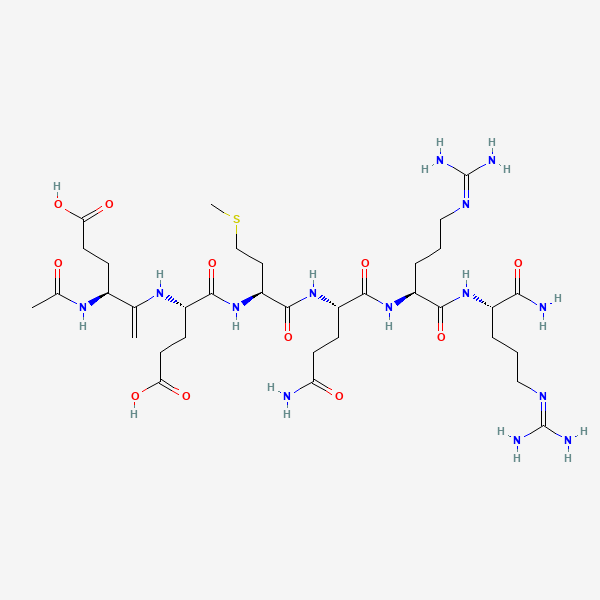
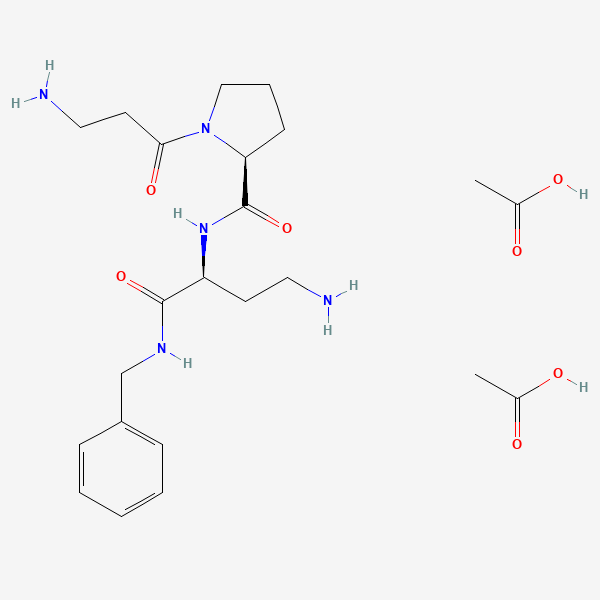
Argireline, also called acetyl hexapeptide-8, is a synthetic six-amino-acid fragment modeled on SNAP-25. Syn-Ake, whose ingredient name is dipeptide diaminobutyroyl benzylamide diacetate, is a smaller synthetic derivative designed around waglerin-1, a Temple viper venom peptide. Syn-Ake contains no harvested venom; the snake connection is the design brief, not the contents of the bottle.
That makes syn-ake vs argireline a comparison of two switches in the same circuit, not two versions of one ingredient.
How do their mechanisms compare?
Argireline targets the signal-sending machinery before acetylcholine leaves the nerve ending; Syn-Ake is proposed to target the nicotinic acetylcholine receptor on muscle after the signal arrives. In plain English, Argireline may slow the dispatch desk, while Syn-Ake may make the receiving desk less responsive. Neither topical has Botox-level evidence or delivery.
Argireline resembles the end of SNAP-25, part of the SNARE complex that helps nerve vesicles release acetylcholine. The proposed decoy action makes release less efficient. Human cosmetic research includes a registered periorbital-wrinkle study, although skin penetration of an approximately 889-dalton peptide remains a practical question.
Syn-Ake borrows its rationale from waglerin-1, whose interaction with muscle-type nicotinic acetylcholine receptors is represented in indexed research. Syn-Ake’s own receptor action and wrinkle effect have not been confirmed in a published human efficacy trial. A tidy mechanism diagram is not the same thing as a face responding in a controlled study.
Which wrinkle types fit each peptide?
Argireline and Syn-Ake both make the most sense for dynamic expression lines: creases reinforced by repeated squinting, frowning, smiling, or raising the brows. Neither peptide is chiefly designed to rebuild collagen, replace lost facial volume, or erase a deep static fold that remains visible when the face is relaxed. That distinction matters more than the snake branding.
Readers focused on firmness or collagen support are asking a different question. The Argireline vs Matrixyl comparison separates muscle-signaling peptides from matrix-support peptides. Readers choosing among SNAP-25-inspired options can use Argireline vs SNAP-8. Those are more useful splits than pretending every peptide serum addresses every kind of line.
Which has better evidence?
Argireline has better evidence in the Argireline vs Syn-Ake comparison, but that does not make the argireline or syn-ake decision automatic. Argireline’s small human cosmetic trials support a modest, mixed effect. Syn-Ake remains a mechanistic hypothesis supported by in-vitro work around waglerin-1 and manufacturer testing, without peer-reviewed human efficacy evidence indexed under the ingredient name.
The comparison therefore carries the shared Mechanistic hypothesis tier, matching the weaker compound rather than lending Syn-Ake Argireline’s Human RCT badge. The evidence-grading guide explains that choice. PubMed has an acetyl hexapeptide-8 literature, while the Syn-Ake ingredient-name search does not establish comparable human efficacy evidence.
No direct head-to-head trial has compared Argireline with Syn-Ake. Claims that one reduced wrinkles by a larger percentage than the other usually splice together separate tests, formulations, measurement methods, and marketing material. That is not a fair contest. The honest comparison weighs two separate evidence bases and leaves percentage races on the product box where they belong.
How do use, safety, and legal status differ?
Argireline and Syn-Ake differ little in format or US status: both appear in leave-on serums or creams, both can cause local irritation, and neither is an FDA-approved drug. Neither belongs in a reconstitution or injection discussion. Product formulation, the full ingredient list, and actual skin delivery matter more than treating a label percentage as a clinically validated dose.
Argireline has more human exposure data from small cosmetic studies, with mild transient irritation or redness as the main profile concern and limited long-term evidence. Syn-Ake is also generally treated as well tolerated in cosmetic use, but its peer-reviewed human safety record is thinner. Patch testing makes sense for either finished product, especially when several active ingredients share the formula.
As of 2026, both can be sold in the United States as cosmetic ingredients. The FDA’s cosmetics framework does not pre-approve most cosmetic ingredients as drugs are approved. “Needle-free Botox” is marketing shorthand, not regulatory equivalence: neither ingredient is approved to treat wrinkles as a drug.
Should you choose Argireline or Syn-Ake?
Choose by the question you want answered. Argireline is the better-supported pick for someone prioritizing published human wrinkle research or specifically exploring the SNAP-25/SNARE route. Syn-Ake is the by-goal pick for someone deliberately exploring a waglerin-inspired, receptor-targeting cosmetic while accepting that independent human efficacy evidence has not caught up with the concept.
The syn ake vs argireline choice is less clear if both share a finished serum. No direct trial shows that combining them adds benefit, and a multi-active formula cannot reveal which ingredient changed the result. More ingredients also make irritation harder to trace.
Argireline’s edge is evidence, not dramatic effect: the profile verdict is mixed, and the reported changes are modest. Syn-Ake’s appeal is a different target, not demonstrated superiority. For either one, the realistic goal is a subtle change in movement-linked lines over consistent topical use—not an injectable result from a dropper bottle. The table and by-goal picks keep those trade-offs visible without crowning a winner.
Can Argireline and Syn-Ake replace Botox?
Argireline and Syn-Ake cannot be treated as topical replacements for injected botulinum toxin. Botox delivers a prescription neuromodulator to a selected muscle and has a clinical evidence base; these peptides sit on the skin and depend on formulation and penetration before their proposed targets even become relevant. “Same broad pathway” does not mean same strength, delivery, or result.
Argireline offers a needle-free option with modest human data, while Syn-Ake gives cosmetic research another mechanism to test. The sensible promise is softer-looking expression lines, not frozen muscles. The cosmetic peptide guide places both alongside collagen- and pigment-focused ingredients without blurring their jobs.
Argireline vs Syn-Ake, point by point
Every dimension side by side — the honest differences, not a scoreboard.
| Dimension | Argireline | Syn-Ake |
|---|---|---|
| What it is | Acetyl hexapeptide-8, a synthetic six-amino-acid peptide modeled on part of SNAP-25. | Dipeptide diaminobutyroyl benzylamide diacetate, a synthetic dipeptide derivative modeled on the venom peptide waglerin-1. |
| Proposed target | The SNAP-25/SNARE machinery involved in releasing acetylcholine from a nerve ending. | The muscle-type nicotinic acetylcholine receptor that receives the contraction signal. |
| Best-matched wrinkle type | Dynamic expression lines caused by repeated movement, such as forehead and eye-area lines. | Dynamic expression lines linked to repeated small facial-muscle contractions. |
| Human evidence | Small randomized and controlled cosmetic studies report modest changes in expression-line depth or appearance; the profile tier is Human RCT with a mixed verdict. | No peer-reviewed human efficacy trial indexed by the ingredient name; support rests on mechanistic and in-vitro work around the waglerin-1 model plus manufacturer testing, so the profile tier is Mechanistic hypothesis with an unknown verdict. |
| Molecular size | About 889 daltons. | About 495.6 daltons as the diacetate salt. |
| How it is used | A leave-on topical ingredient in cosmetic serums and creams; not an injectable. | A leave-on topical ingredient in cosmetic serums and creams; not an injectable. |
| US regulatory status (2026) | Legally sold as a cosmetic ingredient; not an FDA-approved drug. | Legally sold as a cosmetic ingredient; not an FDA-approved drug. |
- Proposed target: Both aim to dampen expression-line muscle signaling, but at different points in the nerve-to-muscle pathway.
- Best-matched wrinkle type: Neither is primarily a collagen-remodeling peptide, and neither has established evidence for erasing deep, static wrinkles.
- Human evidence: The shared comparison badge uses the weaker Syn-Ake tier. No trial has compared the two ingredients directly.
- Molecular size: Smaller on paper does not establish better delivery through skin; comparative penetration has not been demonstrated in a direct human trial.
- How it is used: There is no clinically validated head-to-head concentration or dosing schedule for either ingredient.
- US regulatory status (2026): FDA does not pre-approve most cosmetic ingredients, and drug-like treatment claims can change how a product is regulated.
Argireline vs Syn-Ake: the two molecules
The 2D chemical structures, straight from PubChem — a quick way to see how similar (or not) the two actually are.
Which one fits which goal?
There's no universal winner here — the honest answer depends on what you're after. These picks are framed by goal, and each says why.
Prioritizing published human wrinkle evidence
Leans toward Argireline
Argireline has small human cosmetic trials behind it, while Syn-Ake's case remains mechanistic and manufacturer-led.
Targeting the SNARE side of muscle signaling
Leans toward Argireline
Argireline was designed as a SNAP-25 fragment mimic proposed to interfere with SNARE-mediated acetylcholine release.
Exploring a venom-mimetic receptor-targeting approach
Leans toward Syn-Ake
Syn-Ake is the distinct option built around waglerin-1 and proposed antagonism of the muscle-type nicotinic acetylcholine receptor, though human efficacy remains unconfirmed.
References
- 1.Argireline in the Treatment of Periorbital Wrinkles — registered Phase 3 trial (ClinicalTrials.gov, NCT01381484)
- 2.Acetyl hexapeptide-8 — indexed research (PubMed)
- 3.Dipeptide diaminobutyroyl benzylamide diacetate — indexed research (PubMed)
- 4.Waglerin-1 and the muscle nicotinic acetylcholine receptor — indexed research (PubMed)
- 5.FDA — Cosmetics & U.S. Law