Dihexa vs Semax
Dihexa vs Semax compares animal-only HGF/c-Met research with Semax's Russian human experience, intranasal use, risks, and by-goal picks.
Dihexa vs Semax is less a potency contest than an evidence-maturity choice. Dihexa targets HGF/c-Met synaptogenesis but remains animal-only, with no human safety or efficacy data. Semax has Russian human clinical experience and intranasal use, although evidence for cognitive enhancement in healthy adults remains thin. No trial has compared them directly.
How dihexa and Semax differ
Dihexa is the earlier-stage bet: rodent cognition results and a specific synapse-building mechanism, offset by zero human testing and serious reliability flags. The foundational rat paper carries an expression of concern, and a key HGF/c-Met synaptogenesis paper was retracted. That makes potency hype especially unhelpful; a dish or rodent result cannot rank a human nootropic.
Semax has the more mature record, but the distinction needs boundaries. Russian clinical use and human studies give Semax evidence Dihexa does not have, yet healthy-adult focus claims still lean on animal research and anecdote. In the United States, both remain research-use-only rather than FDA-approved drugs.
Which one fits which goal
For a semax vs dihexa decision, Semax fits the goal of choosing the compound with some human clinical experience or an intranasal peptide format. Dihexa fits only a preclinical research goal centered on HGF/c-Met signaling.
Safety, legality, and the bottom line
Neither answer settles whether to choose dihexa or semax for personal use, and this dihexa vs semax nootropic comparison is educational, not medical advice. Both belong to the broader nootropic peptide category as research compounds rather than approved cognitive drugs.
For nearby matchups, compare Dihexa with Noopept, Noopept with Semax, and Cerebrolysin with Semax.
Dihexa vs Semax, point by point
Every dimension side by side — the honest differences, not a scoreboard.
| Dimension | Dihexa | Semax |
|---|---|---|
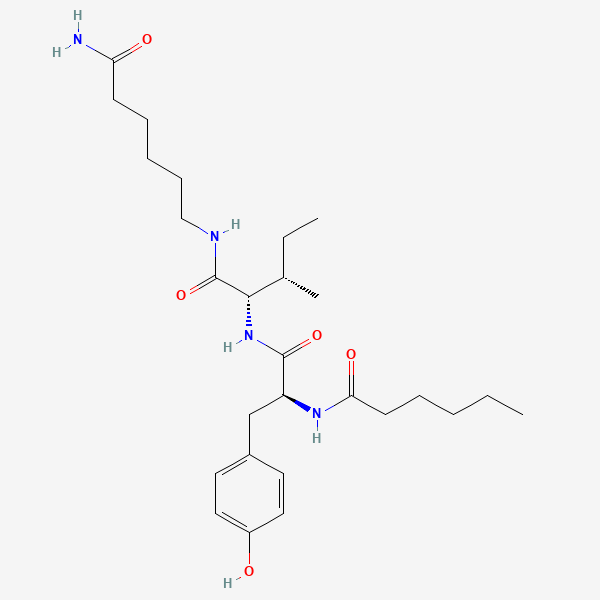
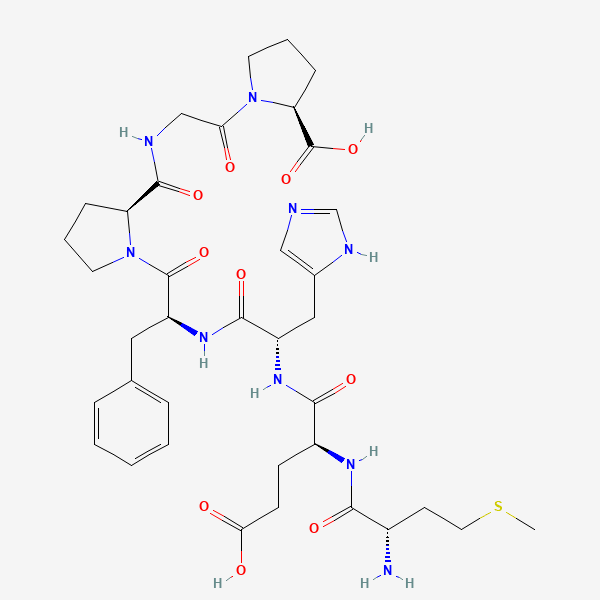
| Molecular type | A modified, orally active tripeptide-derived small molecule based on angiotensin IV. | A synthetic seven-amino-acid peptide based on ACTH(4-10), usually used intranasally. |
| Proposed nootropic mechanism | Amplifies HGF/c-Met signaling and promotes synapse formation in animal and cell research; the human mechanism is untested. | BDNF and TrkB signaling are implicated mainly by animal studies; the exact human mechanism is not established. |
| Human evidence | None: no published human trial or registered clinical study, and no human safety record. | Human clinical experience and small studies from Russia, mainly in neurological settings; evidence for healthy-adult cognitive enhancement remains thin. |
| Reported route and dose context | The cited rat work used oral dosing around 2 mg/kg per day; that is an animal dose, not a human dose. | Semax is generally used intranasally; a few hundred micrograms per session is commonly reported by the community, not a validated study dose. |
| US regulatory status (2026) | Research-use-only; not FDA-approved and not a dietary supplement. | Research-use-only in the US; not FDA-approved or a dietary supplement, despite approval as a medicine in Russia. |
- Molecular type: Dihexa is not a conventional peptide; Semax is a peptide, but neither is an FDA-approved peptide drug in the United States.
- Human evidence: No trial has compared Dihexa and Semax directly; this comparison weighs their separate evidence bases.
Dihexa vs Semax: the two molecules
The 2D chemical structures, straight from PubChem — a quick way to see how similar (or not) the two actually are.
Which one fits which goal?
There's no universal winner here — the honest answer depends on what you're after. These picks are framed by goal, and each says why.
Choosing by evidence maturity
Leans toward Semax
Semax has human clinical experience in Russia, while Dihexa has no human efficacy or safety data.
Studying HGF/c-Met synaptogenesis in preclinical research
Leans toward Dihexa
Dihexa is the compound tied specifically to HGF/c-Met signaling and synapse formation, though that case remains animal and cell research.
An intranasal peptide format
Leans toward Semax
Semax is a seven-amino-acid peptide with an established intranasal format; Dihexa is a tripeptide-derived small molecule studied orally in rodents.
References
- 1.McCoy et al., 2013 — Evaluation of metabolically stabilized angiotensin IV analogs as procognitive/antidementia agents
- 2.Notice of Concern (2021) for McCoy et al., 2013
- 3.Retraction (2025) of the angiotensin IV / HGF-c-Met synaptogenesis paper
- 4.Semax — indexed research (PubMed, National Library of Medicine)
- 5.Semax — human-tagged studies (PubMed, humans filter)