Matrixyl vs Palmitoyl Tripeptide-1
Matrixyl vs Palmitoyl Tripeptide-1 explained: original Pal-KTTKS compared with Pal-GHK, a component of Matrixyl 3000, by formula and evidence.
Matrixyl vs Palmitoyl Tripeptide-1 is mostly a naming problem, not a contest between interchangeable rivals. Original Matrixyl is palmitoyl pentapeptide-4, or Pal-KTTKS. Palmitoyl Tripeptide-1 is Pal-GHK, a component of the later Matrixyl 3000 blend. The better choice depends on the exact formula and the evidence standard you want; no trial has compared them directly.
Are Matrixyl and Palmitoyl Tripeptide-1 the same thing?
Matrixyl and Palmitoyl Tripeptide-1 are related cosmetic signal peptides, but they are not the same molecule. Original Matrixyl is a trade name for palmitoyl pentapeptide-4, a five-amino-acid KTTKS fragment. Palmitoyl Tripeptide-1 is a three-amino-acid GHK fragment with the same kind of fatty palmitoyl tail.
The source of the mix-up is Matrixyl 3000. That later marketed blend combines Palmitoyl Tripeptide-1 with palmitoyl tetrapeptide-7. In other words, Pal-GHK belongs inside the Matrixyl 3000 line, while original Matrixyl means Pal-KTTKS. A label that says only “Matrixyl” needs its ingredient list checked before any evidence is assigned to it.
What does each peptide signal in skin?
Matrixyl and Palmitoyl Tripeptide-1 both aim at collagen-making fibroblasts through matrikine signaling: short matrix fragments act like repair messages after tissue breakdown. Matrixyl uses KTTKS; Palmitoyl Tripeptide-1 uses GHK. Both attach a 16-carbon fatty tail to help a water-loving peptide move through the skin’s oily outer barrier.
That shared idea does not make the molecules interchangeable. KTTKS and GHK are different messages with different research records. Neither directly supplies collagen, and neither works like an expression-line peptide that targets muscle signaling. For that separate category, see Argireline vs Matrixyl.
Which one has better evidence for wrinkles?
Matrixyl has the stronger named-ingredient evidence for visible fine lines, but the advantage is modest. Small controlled human studies of palmitoyl pentapeptide-4 reported improvement against a matching vehicle cream. The studies are few, several are connected to the ingredient maker, and independent replication remains limited (PubMed search).
Palmitoyl Tripeptide-1 has encouraging cell and reconstructed-skin evidence for collagen and matrix-protein output, but clean human proof for the isolated ingredient is missing (PubMed search). Human testing commonly examines a finished blend, especially Matrixyl 3000, so it cannot show how much Pal-GHK contributed by itself. No published trial identified in the source record compares matrixyl vs palmitoyl tripeptide-1 directly; this page weighs their separate evidence.
Does Matrixyl 3000 change the comparison?
Matrixyl 3000 changes the question from single ingredient versus single ingredient to original ingredient versus marketed blend. Searches for matrixyl 3000 palmitoyl tripeptide products often collapse those categories, but the blend contains Palmitoyl Tripeptide-1 plus palmitoyl tetrapeptide-7. Evidence for that pair cannot automatically be credited to Pal-GHK alone.
For a finished product, the ingredient list matters more than the large name on the front. Choose the Matrixyl profile when the label lists palmitoyl pentapeptide-4. Choose the Palmitoyl Tripeptide-1 profile when the question is about Pal-GHK itself. For Matrixyl 3000, judge the complete formulation and remember that a moisturizer, sunscreen, and other actives can also affect visible results.
How should Pal-GHK vs Matrixyl be chosen by goal?
Pal-GHK vs Matrixyl has no single winner because the useful pick changes with the formulation goal. Original Pal-KTTKS is the clearer choice when you want the ingredient with small controlled human studies behind its named wrinkle claim. Pal-GHK is the relevant choice when you are examining the GHK-based component or a properly labeled Matrixyl 3000 blend.
Palmitoyl tripeptide-1 vs matrixyl also differs by how narrowly you want to interpret the evidence. Matrixyl’s human-controlled tier applies to palmitoyl pentapeptide-4, not every product carrying the family name. Palmitoyl Tripeptide-1 keeps the shared comparison badge at in-vitro, because giving both cards Matrixyl’s stronger tier would wrongly imply isolated Pal-GHK has controlled human proof. The evidence-grading method explains why the weaker tier controls this comparison.
Are the use, safety, and legal status different?
Matrixyl and Palmitoyl Tripeptide-1 occupy the same practical lane: topical leave-on cosmetics, not injectable research protocols. Both appear in serums, creams, moisturizers, and eye products. Neither profile provides a clinically established milligram dose, and product makers do not always disclose enough active concentration to compare formulas cleanly.
Both ingredients are generally well tolerated on skin, with mild redness, irritation, or sensitivity possible from the peptide or the surrounding formula. Topical experience does not establish safety for swallowing or injection. In the United States, both are legally marketed cosmetic ingredients, not FDA-approved drugs or controlled substances. Cosmetics generally do not receive FDA pre-market approval apart from color additives (FDA cosmetics overview); claims to treat disease or alter body structure would enter drug territory.
What is the clearest bottom line?
Matrixyl vs palmitoyl tripeptide-1 is clearest when the label is decoded first. Original Matrixyl means Pal-KTTKS and carries the better isolated human wrinkle evidence. Palmitoyl Tripeptide-1 means Pal-GHK and remains an in-vitro ingredient when judged alone, even though it is a central part of the Matrixyl 3000 blend.
Choose by formula, not by a universal scoreboard. Readers comparing other collagen-signaling routes can continue with GHK-Cu vs Matrixyl, while the broader cosmetic peptide guide places both ingredients alongside the rest of the topical category.
Matrixyl vs Palmitoyl Tripeptide-1, point by point
Every dimension side by side — the honest differences, not a scoreboard.
| Dimension | Matrixyl | Palmitoyl Tripeptide-1 |
|---|---|---|
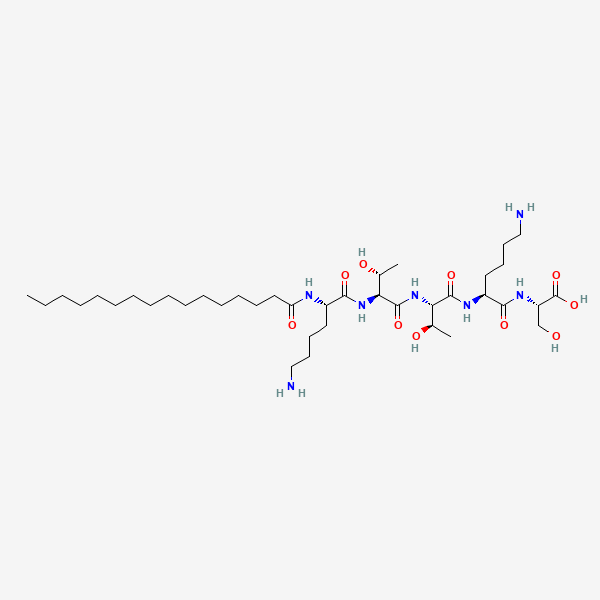
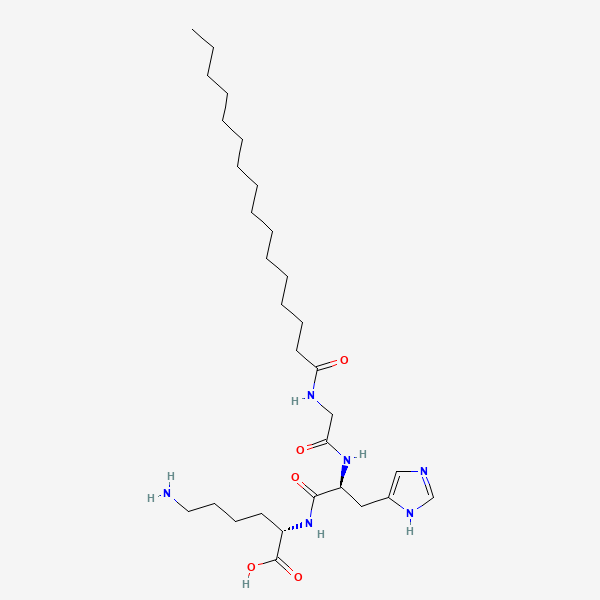
| What the name means | Original Matrixyl: palmitoyl pentapeptide-4 (Pal-KTTKS), a branded single peptide with five amino acids. | Palmitoyl tripeptide-1 (Pal-GHK), a single cosmetic peptide with three amino acids. |
| Peptide signal | Uses the collagen-derived KTTKS sequence as a matrikine signal to dermal fibroblasts. | Uses the GHK sequence as a matrikine signal to dermal fibroblasts. |
| Best-supported outcome | Modest improvement in visible fine lines in small controlled human studies, with industry ties and limited replication. | Collagen and matrix-protein signaling in cell and reconstructed-skin models; the isolated peptide lacks clean human outcome evidence. |
| Headline evidence tier | Human-controlled for visible fine lines; in-vitro for the collagen-production mechanism. | In-vitro, with an unknown human wrinkle effect for the isolated ingredient. |
| How it appears in products | A topical ingredient in leave-on serums, moisturizers, and eye creams, sometimes listed as palmitoyl pentapeptide-4. | A topical ingredient often blended with other peptides; in Matrixyl 3000 it is paired with palmitoyl tetrapeptide-7. |
| US regulatory status (2026) | Legally marketed as a cosmetic ingredient; not an FDA-approved drug and not a controlled substance. | Legally marketed as a cosmetic ingredient; not an FDA-approved drug and not a controlled substance. |
- What the name means: Matrixyl 3000 is a later blend containing palmitoyl tripeptide-1 plus palmitoyl tetrapeptide-7; it is not original Matrixyl.
- Peptide signal: Both have a palmitic-acid tail intended to improve passage through the skin's oily outer barrier.
- Headline evidence tier: The comparison uses the weaker in-vitro tier so the shared badge does not imply both ingredients have controlled human evidence.
- US regulatory status (2026): Cosmetics generally do not receive FDA pre-market approval, apart from color additives.
Matrixyl vs Palmitoyl Tripeptide-1: the two molecules
The 2D chemical structures, straight from PubChem — a quick way to see how similar (or not) the two actually are.
Which one fits which goal?
There's no universal winner here — the honest answer depends on what you're after. These picks are framed by goal, and each says why.
Choosing the original Matrixyl / Pal-KTTKS ingredient
Leans toward Matrixyl
Original Matrixyl is palmitoyl pentapeptide-4 (Pal-KTTKS), so this is the matching profile and ingredient.
Choosing a Matrixyl 3000 formula
Leans toward Palmitoyl Tripeptide-1
Palmitoyl tripeptide-1 is one component of Matrixyl 3000; confirm that the finished formula also lists palmitoyl tetrapeptide-7 rather than assuming Pal-GHK alone is the blend.
Prioritizing controlled human evidence for visible fine lines
Leans toward Matrixyl
Small controlled human studies exist for palmitoyl pentapeptide-4, while isolated palmitoyl tripeptide-1 remains at the in-vitro tier for its headline use.
Studying the palmitoylated GHK signal specifically
Leans toward Palmitoyl Tripeptide-1
Palmitoyl tripeptide-1 is Pal-GHK: the three-amino-acid GHK sequence with a fatty tail, not the five-amino-acid KTTKS sequence in original Matrixyl.
References
- 1.Palmitoyl pentapeptide-4 — indexed research (PubMed, National Library of Medicine)
- 2.Palmitoyl tripeptide-1 — indexed research (PubMed, National Library of Medicine)
- 3.Matrixyl and palmitoyl tripeptide-1 — direct-comparison search (PubMed)
- 4.Palmitoyl tripeptide-1 — compound record, CID 10231864 (PubChem)
- 5.FDA — cosmetics regulation in the United States