Also known as: human EGF · recombinant human EGF · rhEGF · nepidermin · sh-oligopeptide-1 · rh-oligopeptide-1 · urogastrone
Human (controlled)Mixed
On this page
- What is epidermal growth factor (EGF)?
- How does EGF work in skin?
- Does EGF skincare work for wrinkles?
- Can EGF serum cross intact skin?
- What does the human wound evidence show?
- Is EGF serum safe?
- Is EGF FDA-approved or banned in sport?
- How should you judge an EGF serum label?
- Evidence by outcome
- FDA & legal status
- Reported side effects
- Chemical identifiers
- References
- Related compounds
- More on Epidermal growth factor (EGF)
epidermal growth factor (EGF) is a 53-amino-acid human signaling peptide sold in EGF skincare as sh-oligopeptide-1 or rh-oligopeptide-1. Recombinant EGF has credible human wound-healing data, but evidence that an ordinary EGF serum softens wrinkles is thin. At about 6.2 kDa, EGF is poorly suited to crossing intact skin without a delivery aid.
What is epidermal growth factor (EGF)?
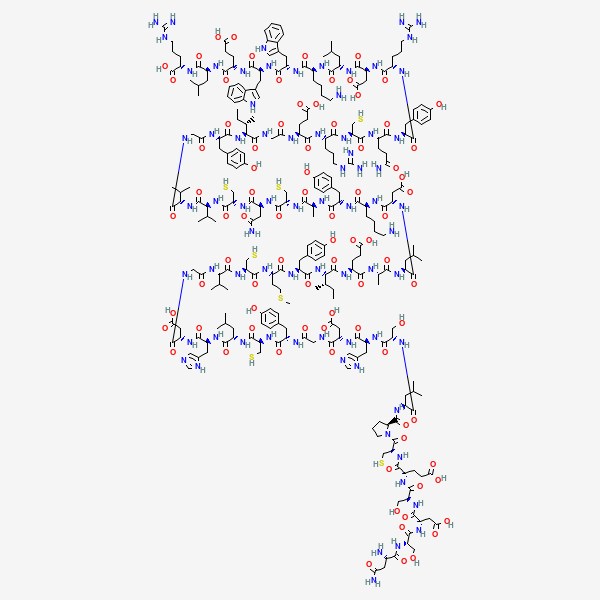
Epidermal growth factor is a small human protein that tells epithelial cells to grow, move, and cover damaged surfaces. The mature peptide is 53 amino acids long, weighs 6,222 daltons, and has the sequence listed above. Human cells first make a much larger precursor; the active EGF segment is cut from it (UniProt P01133).
Recombinant human EGF, or rhEGF, is the lab-made version used in research and products. Ingredient lists may call the same sequence sh-oligopeptide-1 or rh-oligopeptide-1; FDA’s substance record maps both names to nepidermin.
How does EGF work in skin?
Epidermal growth factor binds EGFR, a receptor on the surface of keratinocytes and other cells, and starts signals for cell division and migration. Picture a foreman calling surface-repair crews into a damaged area. That action makes biological sense in a wound, where the barrier is already broken and cells need to close the gap.
EGF skincare asks for a harder trick: the receptor sits below the stratum corneum, while serum lands outside. Whether enough intact EGF reaches that receptor is unresolved.
Does EGF skincare work for wrinkles?
EGF skincare has a human signal, but no clean, large trial shows that a plain EGF serum meaningfully reduces wrinkles against its vehicle. The most useful controlled study enrolled 20 adults and compared EGF cream with EGF delivered by dissolving micro-spicules. Both sides looked better after eight weeks, but the micro-spicule side improved more (Ha et al., 2017).
That result supports a delivery method, not a sweeping claim for EGF for wrinkles. The EGF-only side had a slight, statistically nonsignificant rise in dermal density, and the study had no cream-without-EGF arm. Other studies are small, uncontrolled, or test multi-ingredient formulas. The headline verdict is human-controlled, mixed.
Can EGF serum cross intact skin?
EGF serum is unlikely to deliver much intact peptide through healthy skin because EGF is roughly 6,200 daltons and water-soluble. A widely used skin-delivery rule of thumb places passive penetration below about 500 daltons (Bos and Meinardi, 2000). Rules of thumb have exceptions, but EGF misses that one by more than an order of magnitude.
The wrinkle study makes the barrier problem visible: EGF cream showed weak penetration in pig skin, while micro-spicules placed EGF in the epidermis. Laser and microneedling open temporary channels, but that is post-procedure delivery. A pricey bottle cannot negotiate with physics by using a nicer font.
What does the human wound evidence show?
Recombinant human EGF has randomized wound data, especially in diabetic foot ulcers and burns. The clearest trials treated damaged tissue directly under clinical supervision. That evidence stays separate from anti-wrinkle marketing because an open wound is not intact facial skin.
In a double-blind randomized trial of 61 people with diabetic foot ulcers, complete healing by 12 weeks occurred in 20 of 21 patients receiving 0.04% hEGF cream, compared with 8 of 19 controls receiving the base treatment (Tsang et al., 2003). Other trials used intralesional EGF, a different route again. This is human RCT evidence for clinical wound care, not evidence that a daily serum reaches the dermis.
In 120 burn cases, topical rhEGF ointment shortened average healing by roughly one day for superficial second-degree burns and about a day and a half for deeper second-degree burns versus matched control areas (Wang et al., 2002). The result is modest, clinically specific, and published in Chinese.
Post-laser recovery is mixed. A 19-person randomized split-face trial found no faster scab shedding, redness resolution, barrier recovery, or reduction in pigmentation with rhEGF ointment versus petrolatum (Techapichetvanich et al., 2018). A separate 23-person acne-scar trial found better scar appearance at three months but no difference in immediate wound healing. “Healing peptide” is true in some wounds, not every wound.
Is EGF serum safe?
EGF serum appears reasonably well tolerated in small, short topical studies, but long-term cosmetic safety has not been established. In the 20-person micro-spicule study, six participants had brief redness and prickling that resolved within minutes; ordinary EGF cream caused no reported serious event. Small trials cannot detect rare or slow problems.
The cancer question needs careful wording. EGF promotes cell growth, and abnormal EGFR signaling matters in several cancers. That creates a theoretical concern about stimulating an existing abnormal cell. It does not show that topical EGF causes cancer, and intact skin limits exposure.
Is EGF FDA-approved or banned in sport?
EGF is not FDA-approved in the United States for wrinkles, burns, or diabetic foot ulcers as of July 16, 2026. Cosmetics usually enter the market without FDA preapproval, so an EGF serum can be sold as a cosmetic while staying on the appearance side of the line. Claims to heal wounds, repair damaged cells, or alter body structure can turn that product into an unapproved drug; FDA has already warned a company over such claims for a product listing sh-oligopeptide-1 (FDA warning letter).
The 2026 WADA list does not name EGF, but section S2.3 covers other growth factors affecting regenerative capacity. Systemic or performance-directed EGF is therefore unsafe to assume permitted. Ordinary topical use is a different exposure question, so tested athletes need product-specific verification.
How should you judge an EGF serum label?
An EGF serum label is most useful when it names the actual ingredient, explains the delivery system, and avoids turning wound trials into wrinkle promises. Look for sh-oligopeptide-1, rh-oligopeptide-1, or recombinant human EGF, then ask whether the formula was tested as a finished product against its vehicle. An ingredient list alone cannot tell you concentration, stability, or penetration.
The best comparison is GHK-Cu, another cosmetic peptide with a different mechanism and evidence record. The healing peptide hub puts the wound findings in context, while the evidence-grading guide explains why one molecule can earn a human-RCT grade for diabetic ulcers and a mixed grade for wrinkles. EGF’s weak links are cosmetic delivery and clean anti-wrinkle trials, not biology.
Evidence by outcome
Each outcome Epidermal growth factor (EGF) has been studied for, with the honest evidence grade and what the studies actually found. A tier never stands alone — the verdict rides with it.
| Outcome | Evidence | What was found |
|---|---|---|
| Facial wrinkles and skin aging | Human (controlled)Mixed | A 20-person split-face study found better wrinkle and dermal measurements when EGF was delivered with dissolving micro-spicules than in an EGF cream. The trial did not include a vehicle-only control, so it supports delivery through a disrupted barrier more than it proves that a standard EGF serum reduces wrinkles. |
| Diabetic foot ulcer healing | Human RCTHelped | Randomized human trials report improved closure or granulation when topical or intralesional recombinant human EGF was added to wound care. These results concern open chronic wounds under clinical treatment, not intact facial skin. |
| Burn wound healing | Human (controlled)Helped | A randomized clinical study of 120 burn cases reported modestly shorter healing times with topical rhEGF ointment than with matched control wounds. The study was published in Chinese and does not establish a cosmetic benefit. |
| Recovery after fractional laser | Human (controlled)Mixed | One 19-person split-face trial found no improvement in scab shedding, redness, water loss, or post-inflammatory pigmentation versus petrolatum. A separate small acne-scar trial found better later scar appearance but no difference in the immediate wound-healing response. |
FDA & legal status
- United States: unscheduled (as of Jul 2026)
EGF is not a controlled substance and has no FDA-approved anti-wrinkle or wound-healing indication. Cosmetics generally do not receive FDA premarket approval, but disease-treatment or body-structure claims can make an EGF product an unapproved drug.
Reported side effects
| Effect | Frequency | Severity |
|---|---|---|
| Transient redness and prickling with micro-spicule delivery | 6 of 20 participants in one split-face study | Brief; resolved within minutes without treatment |
Chemical identifiers
References
- 1.Human epidermal growth factor — PubChem CID 16143379
- 2.Human pro-epidermal growth factor — UniProt P01133
- 3.Ha et al., 2017 — micro-spicule EGF for periocular wrinkles
- 4.Tsang et al., 2003 — human EGF for diabetic foot ulcers (PMID 12766123)
- 5.Wang et al., 2002 — rhEGF ointment for burn wounds (PMID 12569689)
- 6.Techapichetvanich et al., 2018 — rhEGF after fractional laser (PMID 29956440)
- 7.FDA warning letter identifying sh-oligopeptide-1 as EGF
More on Epidermal growth factor (EGF)
Everything else we've written about Epidermal growth factor (EGF) — what the community reports, the explainers that cover it, and the terms it keeps running into.